



Pedestal Glass Sweetmeat Dish
A pedestal glass sweetmeat dish is a raised vessel meant for serving small confections, holding a distinct presence on a formal table.
Pedestal Glass Sweetmeat Dish
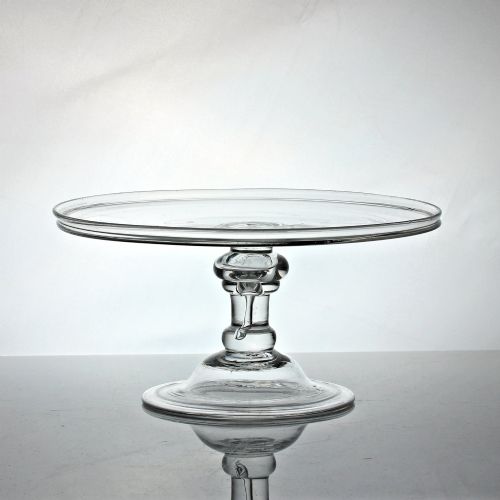
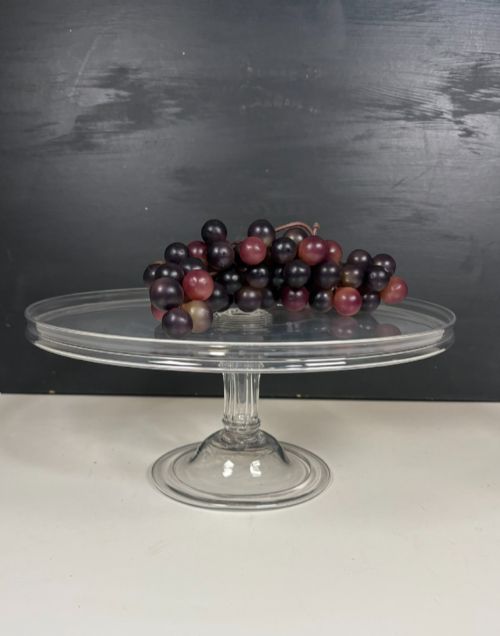
A pedestal glass sweetmeat dish brings together various forms designed for serving confectionery across several centuries. The selection on this page includes Georgian and Victorian examples, alongside tazzas, patch stands, sugar bowls, and dessert dishes.
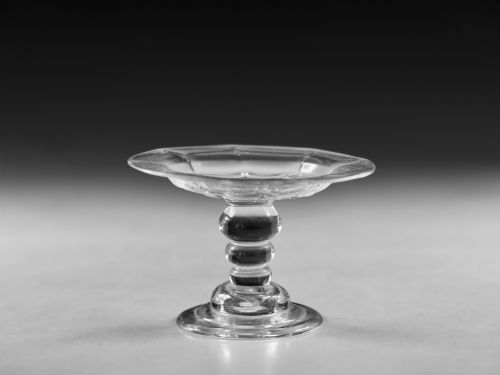
Buyers will find pieces ranging from small patch stands and miniature sweetmeat stands to large cut crystal bowls and lidded jars. Origins span English lead glass and Irish turnover bowls, showing the breadth of table glassware available.
The styles shift from early Georgian baluster and rib-moulded forms through to Victorian cut crystal and later Art Deco interpretations. Each variation reflects the prevailing dining customs and glass-making capabilities of its specific era.
How they were made
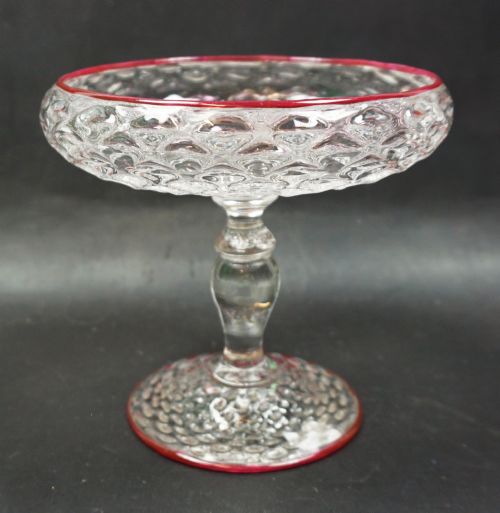
Makers utilised lead crystal, clear glass, and lead glass, shaping them through blowing, moulding, and cutting techniques. Honeycomb moulding and rib-moulding provided geometric surface texture on early forms.
Decoration often involved intricate hand-cutting, applied red cane elements, and gold leaf detailing such as grapevine motifs. Some sweetmeat jars and dessert dishes were also paired with Dutch silver or sterling silver mounts.
Pedestal Glass Sweetmeat Dish Retail Price Guide 2026
Typical asking prices for pedestal glass sweetmeat dish among the pieces listed under this phrase on Sellingantiques today, from the lower quarter to the upper quarter. They describe what is for sale here now, not the wider market.
Materials recorded across the inventory include lead crystal, clear glass, cobalt glass, and gold leaf highlights.
What varies in quality
The crispness of the cut glass facets and the depth of the mould-work determine the visual sharpness of the piece. Crisp detailing on honeycomb mouldings separates finer early examples from simpler later wares.
Proportion and metal weight also play a role, particularly in how the pedestal supports the bowl above. Clarity of the lead crystal and the finesse of any applied colour or gilding further distinguish the upper tier.
The Pedestal Glass Sweetmeat Dish Glossary
- Tazza
- A shallow saucer or bowl mounted on a pedestal stem, frequently used for serving sweetmeats or fruit. They form a central part of the glassware found in this category.
- Patch stand
- A small pedestal dish originally used to hold cosmetic patches for the face before evolving into a sweetmeat server. These diminutive pieces often date from the eighteenth century.
- Lead glass
- Glass containing lead oxide, which increases brilliance, weight, and the refractive index. This material allowed makers to achieve sharper cuts and clearer ringing tones.
- Rib-moulded
- A technique where molten glass is blown into a patterned mould to create vertical or diagonal raised ribs along the body. This provides both decorative texture and structural strength.
- Turnover bowl
- A vessel with an everted, folded rim created while the hot glass is shaped on the pontil. Irish examples from the late eighteenth century frequently display this characteristic rim.
Pedestal Glass Sweetmeat Dish: Frequently Asked Questions
What is a pedestal glass sweetmeat dish?
A pedestal glass sweetmeat dish is an elevated vessel designed to hold small sweet treats, nuts, or preserves during formal dining. These pieces stand on a stem and foot, lifting the contents above the table surface.
They appear in various forms throughout the eighteenth and nineteenth centuries, including tazzas, patch stands, and covered jars. Their primary function was both practical and decorative, serving dessert courses while catching the light of candles.
How do I date a Georgian sweetmeat glass?
Dating a Georgian piece involves examining the manufacturing techniques, the weight of the metal, and the form of the pedestal stem. Early eighteenth-century examples often feature heavy baluster stems or rib-moulding characteristic of the period.
Changes in glass chemistry and cutting styles also help establish a timeline. Clearer metal and more complex facet-cutting generally point towards the later decades of the eighteenth century and into the Regency era.
Were these dishes used for sweets?
These dishes were specifically created to serve dry confections, preserved fruits, sweetmeats, and nuts at the conclusion of a meal. Sugar was an expensive commodity, making such sweet courses a display of status.
Over time, the terminology shifted, with similar vessels also serving as dessert dishes, patch stands, or small compotes. Despite the varied names, their association with confectionery remained central to their use.
How do I care for antique glass?
Antique glass requires gentle hand-washing in lukewarm water with mild soap, avoiding sudden temperature changes that can cause thermal shock. Wooden or metal drying racks help prevent chipping during the cleaning process.
Displaying these dishes away from direct sunlight and heavy vibrations protects both the glass and any delicate applied details like gold leaf or silver mounts. Regular dusting keeps the faceted surfaces bright.