
Pearl Gold Pin
A pearl gold pin brings together lustrous gems and precious metal in delicate forms typical of Victorian and Edwardian makers.
The Nature of Pearl Gold Pin
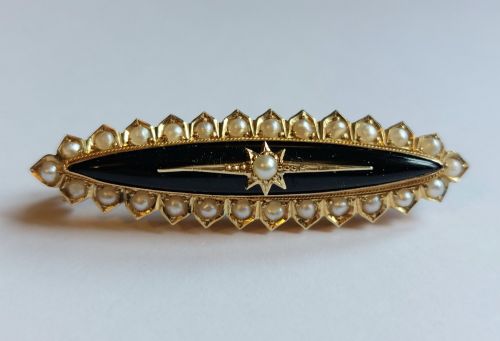
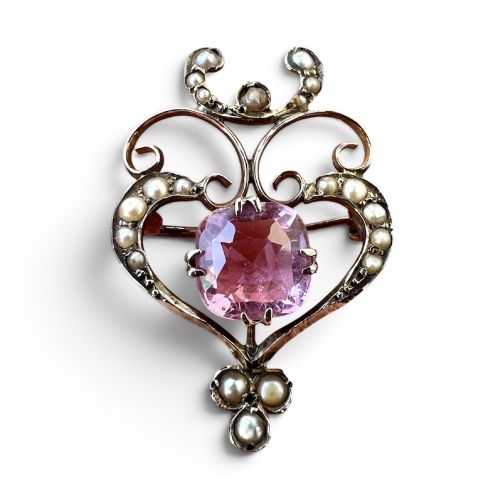
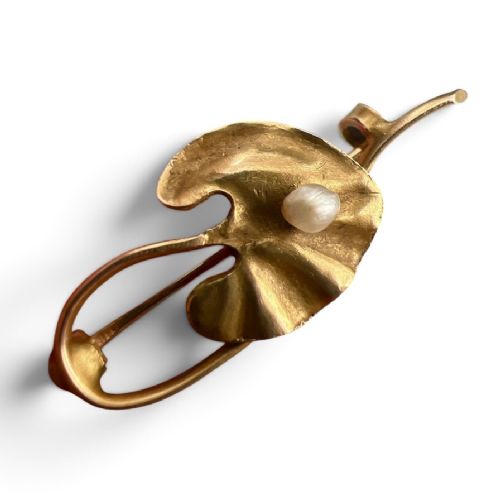
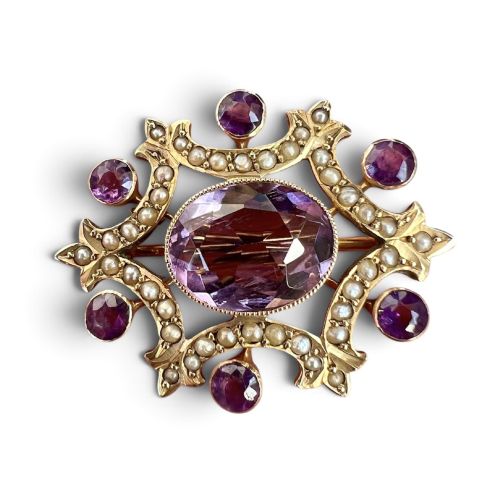
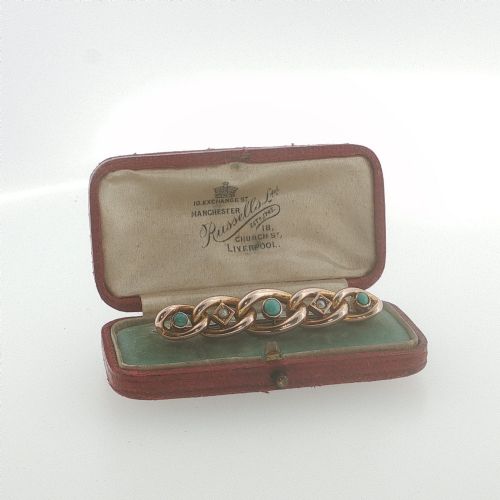
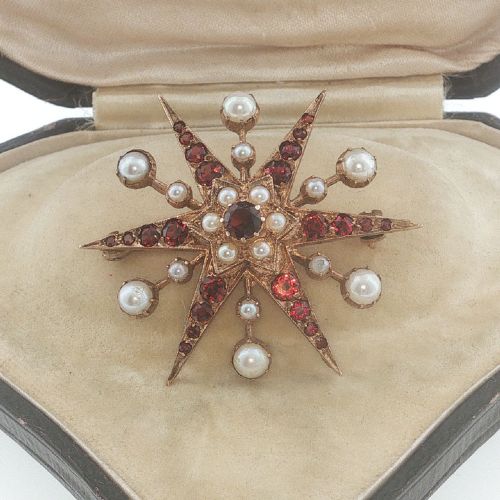
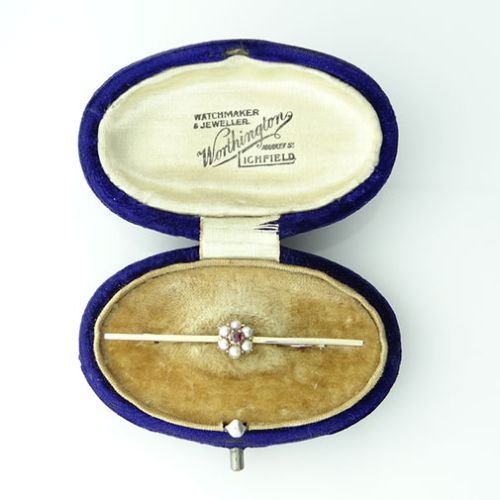
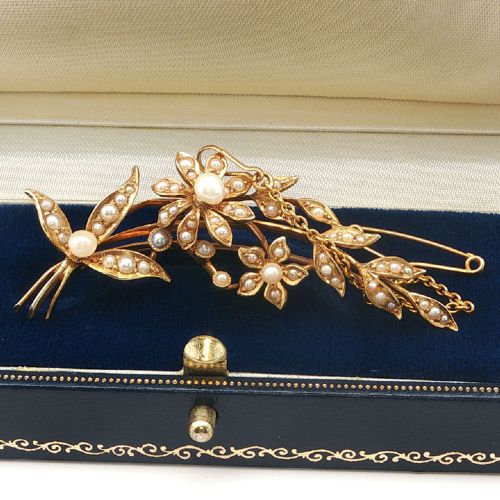
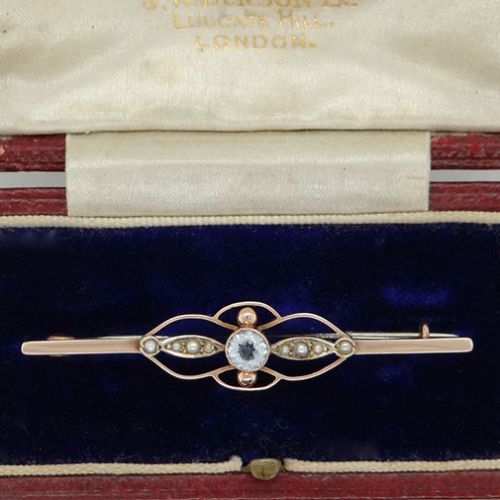
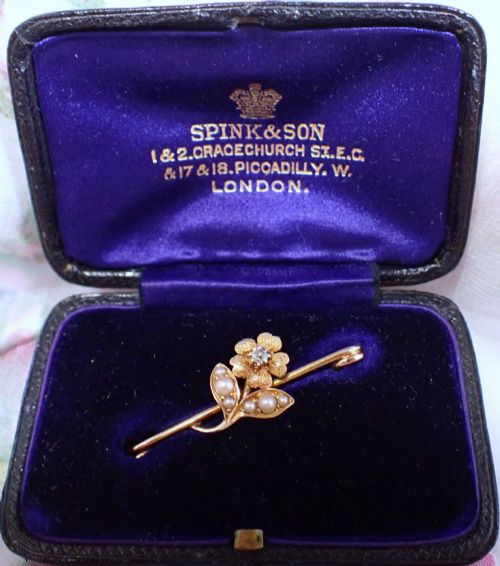
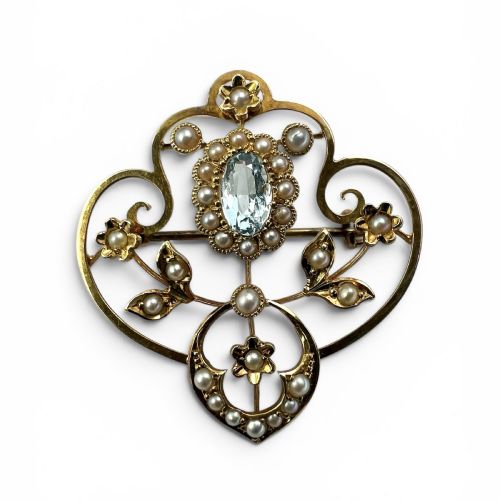
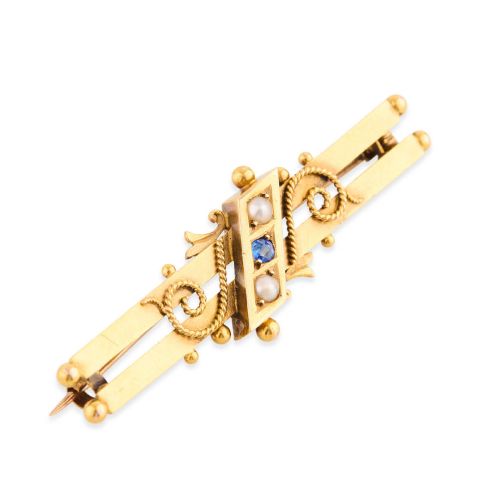
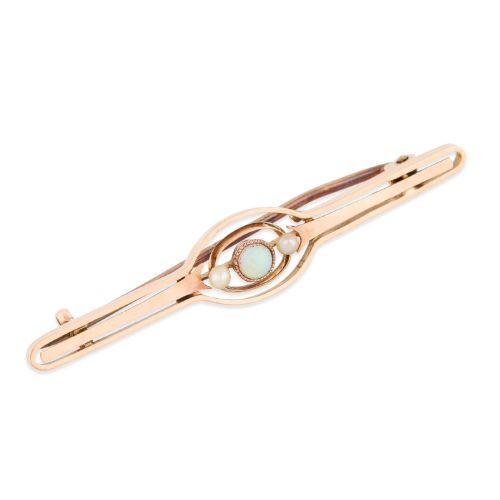
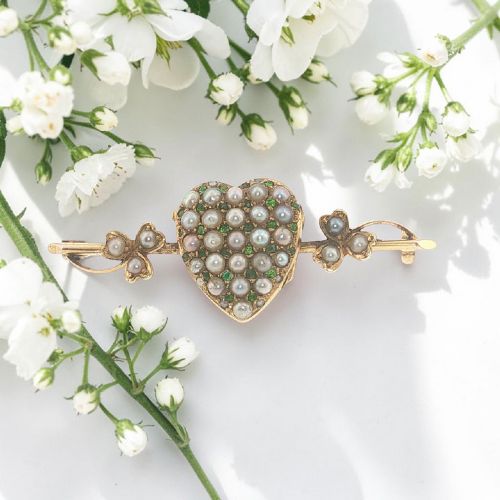
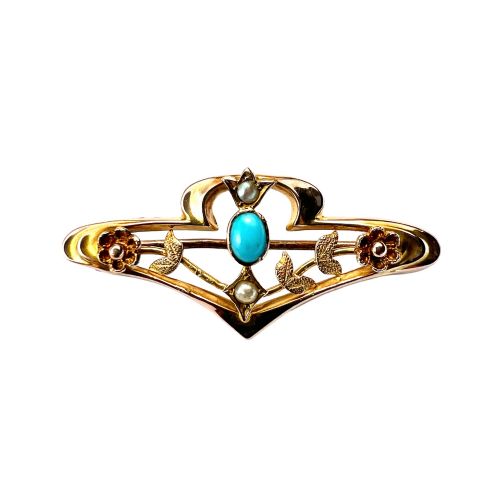
A pearl gold pin is a small wearable ornament most frequently encountered on this page as a stick pin or brooch, spanning Victorian and Edwardian periods. These pieces combine lustrous pearls with precious metal settings shaped into hearts, crescents, flowers, and geometric targets. Buyers searching for a pearl gold pin find delicate items designed to fasten garments or accent lapels and necklines.
The archive shows that while stick pins and brooches dominate the selection, related forms like pendants and rings also appear alongside the primary pin formats. Edwardian and Victorian versions showcase characteristic motifs including ivy, wings, stars, and bows executed in gold. This variety offers collectors numerous ways to wear and display period goldsmithing.
Makers utilised high-carat gold alongside standard grades like nine-carat and fifteen-carat to frame pearls and coloured gems such as turquoise, tourmaline, and peridot. The forms range from simple arrows and safety pins to elaborate Suffragette chains and target brooches. Each configuration reflects the specific aesthetic demands of its original era.
Manufacturing and Materials
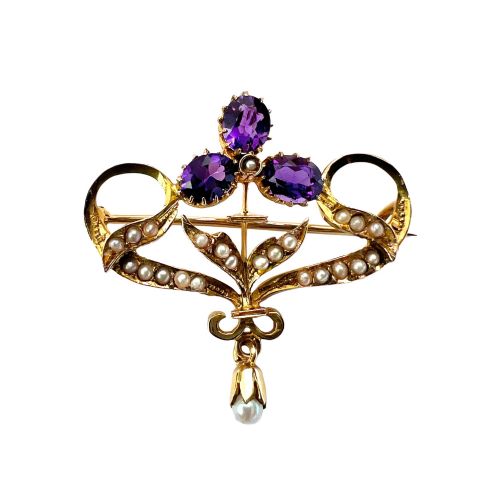
Goldsmiths constructed these pieces using yellow gold, rose gold, and higher-carat alloys, frequently combining them with seed pearls and larger pearls. Techniques included fine wirework, collet settings, and detailed casting to produce secure mounts for fragile gem materials. The integration of coloured stones like amethyst, sapphire, and garnet added vibrant contrast to the golden frames.
Makers secured pearls through peg-setting, glue, or delicate prongs, often grouping seed pearls into floral clusters or crescent moons. Metal components were hand-finished with engraved details or polished surfaces to enhance the lustre of the surrounding gems. These traditional craftsmanship methods ensured each pin could withstand daily fastening while maintaining an intricate appearance.
Retail Price Guide 2026
Typical UK retail prices for pearl gold pin, calculated from the Sellingantiques database of over a million retail prices indexed since 2003. This retail price guide relies exclusively on Sellingantiques data; no external sources or auction records are used, so the figures do not describe the wider market.
Materials recorded across the archive include turquoise, seed pearls, pink sapphires, tourmalines, and rose-cut diamonds.
Assessing Quality and Execution
Quality in these pieces rests upon the precision of the goldsmithing and the uniformity of the pearls selected for the design. Superior examples display meticulous stone matching, secure peg or prong work, and well-balanced proportions that elevate simple motifs into refined miniature art. Lesser pieces may show uneven pearl grouping or heavier, less articulate metal casting.
The integration of secondary gems like turquoise, peridot, and pink tourmaline further distinguishes finer items from standard production. Well-executed designs incorporate thoughtful colour harmonies and robust pin stems that retain their structural integrity. The overall tactile refinement of the metalwork separates everyday items from exceptional collector pieces.
Marius Hammer·J W Benson
The Pearl Gold Pin Glossary
- Stick pin
- A long pin with an ornamental head designed to secure neckties, scarves, or lapel folds. These pieces were widely worn by both men and women during the Victorian and Edwardian periods.
- Seed pearl
- A very small, naturally formed pearl, often drilled and strung or set in clusters. Goldsmiths used them extensively to outline floral and geometric motifs in antique jewellery.
- Target brooch
- A circular brooch featuring concentric rings of gemstones and metalwork. This style concentrates visual interest toward a central stone or pearl.
- Suffragette chain
- A piece of jewellery incorporating green, white, and violet stones such as peridot, seed pearls, and amethyst. These colours symbolised the women's suffrage movement in the early twentieth century.
- Jabot pin
- An ornamental pin originally used to fasten the jabot frill on a garment. They often feature decorative ends that are visible on both sides of the pinned fabric.
Frequently Asked Questions
How were pearl gold pins worn?
Original wearers utilised these pins to fasten neckties, secure lapels, or adorn hats and scarves.
They served both a decorative and a functional purpose in period dress.
How do I tell Victorian from Edwardian pieces?
Victorian pieces often feature heavier yellow or rose gold settings with rich embellishments like blue enamel or starburst motifs.
Edwardian items tend to display lighter, airier platinum or higher-carat gold work with softer gem colours like peridot and tourmaline.
Are pearls in these pins natural?
Many antique pieces incorporate natural saltwater or freshwater pearls typical of nineteenth and early twentieth-century jewellery production.
Seed pearls were particularly common for intricate cluster work and delicate floral designs.