



Peach Upholstered Chair
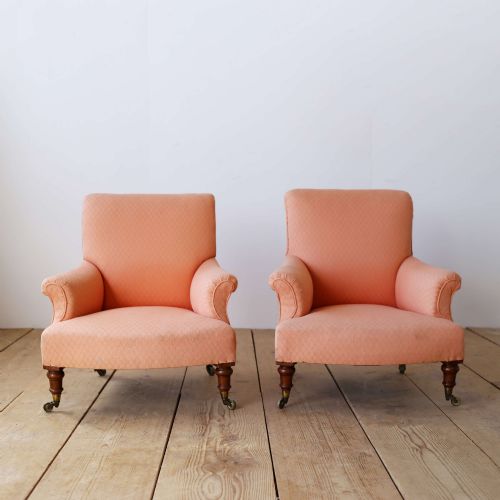
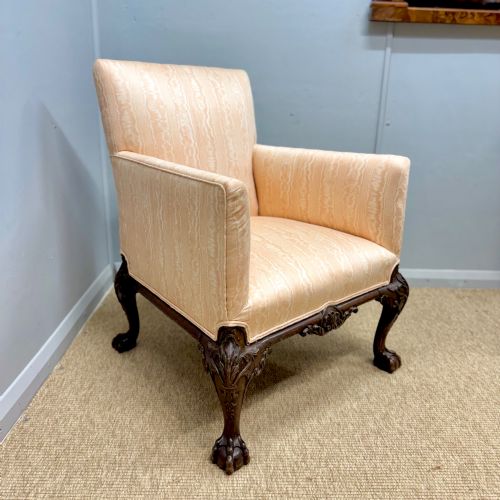
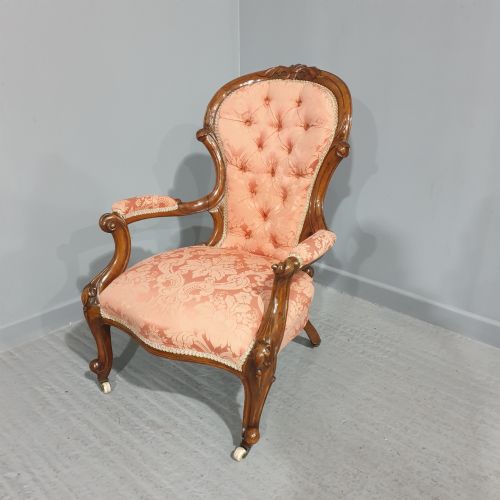
These peach upholstered chair examples bring period comfort and historic timber frames into a room, offering genuine historical seating.
Peach Upholstered Chair
A peach upholstered chair encompasses historic seating covered in textile fabrics, ranging from Victorian nursing chairs to Georgian armchairs. These pieces combine wooden frames in walnut, mahogany, oak, and beech with upholstered seats.
The selections available include armchairs, side chairs, nursing chairs, seating suites, and dining chairs. Examples span multiple centuries, including 18th century, Georgian, Regency, Victorian, and early 20th century periods.
Buyers will most frequently encounter Victorian walnut and mahogany framed armchairs and nursing chairs on this page. These pieces often exhibit revival styles such as Louis XV Revival, French Provincial, and Victorian Rococo Revival.
How they were made
Frames are constructed from solid hardwoods such as walnut, mahogany, oak, beech, and timber. Carpenters shaped these woods into cabriole legs, carved frames, and supportive structures.
Upholstery relies on traditional textiles, including damask fabric, velvet, and general fabric coverings. Brass elements occasionally appear on castors or decorative mounts to finish the pieces.
Every chair needs a comfortable seat, whether it spent the last century in a grand library or a quiet bedroom corner.
What varies in quality
Carving depth and timber selection define the upper tier of these chairs. Walnut and mahogany frames with intricate hand-carved details contrast against simpler beech or general timber structures.
The integration of the textile upholstery with the wooden frame determines the overall finish. Superior examples maintain cohesive revival styles, such as Victorian Rococo or Louis XV, executed with precise joinery.
The Peach Upholstered Chair Glossary
- Fauteuil
- An open-armed French armchair with upholstered back and armrests above an exposed wooden frame. These typically feature carved walnut or oak structures.
- Cabriole leg
- A furniture leg that bends outward and then tapers inward with a graceful curve. This form appears frequently on Georgian and revival seating.
- Nursing chair
- A low-seated Victorian chair designed for comfort, often upholstered in velvet or damask fabric. They facilitated sitting close to fires or nurseries.
- Wingback armchair
- A high-backed chair with side panels designed to shield the sitter from drafts. Early 20th century examples continue this traditional seating form.
- Damask fabric
- A reversible figured textile woven on a jacquard loom with patterns visible on both sides. It serves as a traditional upholstery material for period seating.
Peach Upholstered Chair: Frequently Asked Questions
What periods do these chairs represent?
The selection spans from the 18th century through the Georgian, Regency, and Victorian eras into the early 20th century. Each period brings distinct stylistic traits to the timber frames and upholstery.
Craftsmanship evolves from formal Georgian lines to ornate Victorian rococo revival carvings and later 20th century Bridgewater forms.
How do I identify a nursing chair?
Nursing chairs feature notably low seats designed for comfort and seated tasks near the floor. They often include upholstered backs paired with walnut or mahogany frames.
Victorian examples frequently showcase carved wooden frames paired with velvet or damask fabric upholstery.
What woods were used for frames?
Cabinetmakers utilised solid hardwoods including walnut, mahogany, oak, beech, and general timber. Walnut and mahogany were favoured for finer Victorian and Georgian seating.
Beech and oak appear across French provincial styles and side chairs, providing sturdy structural support under textile covers.
How do I live with antique seating?
Placing period chairs in modern interiors creates a focal point that mixes historic timber with contemporary spaces. Regular gentle care keeps the wooden frames and fabric upholstery preserved.
Ensure chairs suited for libraries, bedrooms, or dining rooms are placed away from direct heat sources to protect the wood and textiles.
What is a fauteuil armchair?
A fauteuil is an open-armed armchair of French origin featuring an exposed wooden frame, typically carved from oak or walnut. The armrests include padded elbow rests.
These chairs reflect Louis XV revival and French chateau styles, combining decorative woodwork with textile upholstery.