


Pave Diamond Cocktail Ring
A pave diamond cocktail ring brings serious presence to the hand, offering a dense surface of stones designed to catch every ray of light.
Pave Diamond Cocktail Ring
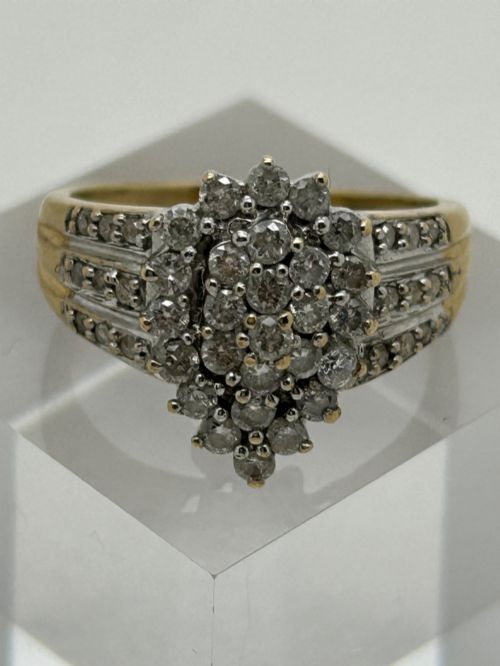
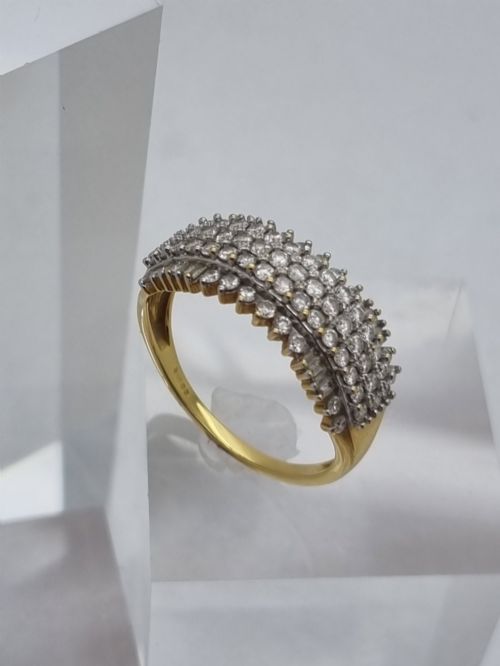
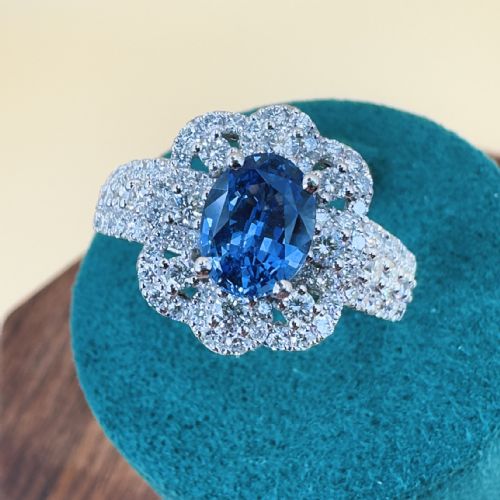
A pave diamond cocktail ring is a statement dress piece defined by a closely set field of small stones that create a continuous surface of sparkle. When searching this phrase, buyers encounter striking cluster, target, marquise, and scroll panel forms spanning eras from the Victorian period through to the 1960s.
The materials paired with these diamonds range from platinum and white gold to traditional yellow gold, often enhanced by central coloured gems such as emeralds, sapphires, and opals. Most examples lean towards recognisable historical aesthetics, particularly the geometric lines of Art Deco design and the bold volumes of mid-century retro work.
How they were made
Goldsmiths set the small diamonds closely together into metal surfaces, often using platinum or white gold to maximise the white reflection of the stones. Older examples frequently feature characteristic old cut or rose cut diamonds secured by hand-formed metal work.
Heavier mountings in 18ct yellow or white gold provide structural support for intricate scroll panels, tank designs, and multi-gem arrangements. The combination of durable precious metals and precise stone placement ensures the dense, glittering surface characteristic of the type.
Materials appearing across the inventory include platinum, white gold, 18ct yellow gold, emeralds, sapphires, opals, and diamonds.
What varies in quality
The standard of a pave diamond cocktail ring rests largely on the precision of the stone setting and the crispness of the surrounding metalwork. Finer examples display an even, tightly packed surface of diamonds with minimal visible metal between the stones.
Design complexity and the quality of any accompanying coloured gems, such as natural emeralds or Ceylon sapphires, elevate certain pieces above standard production. The integrity of the original gallery work and the weight of the precious metal further distinguish superior specimens.
Le Vian
The Pave Diamond Cocktail Ring Glossary
- Pave
- A setting technique where small gemstones are closely set together with minimal visible metal, creating a paved surface of sparkle. This method makes the entire face of the ring appear as a continuous sheet of brilliance.
- Old Cut
- A historic diamond cutting style preceding modern brilliant cuts, typically featuring a smaller table and a high crown. These stones produce a distinctive, softer candlelight glow.
- Target Set
- A concentric ring design where a central gemstone is surrounded by one or more contrasting bands of smaller stones. The pattern draws the eye inward towards the main gem.
- Marquise
- A boat-shaped gemstone cut with pointed ends, designed to maximise carat weight and finger coverage. This elongated silhouette is particularly prominent in Edwardian and antique cluster designs.
- Tank Ring
- A bold, volumetric jewellery style originating around the mid-twentieth century, characterised by heavy metal planes inspired by military vehicles. These substantial pieces often incorporate pave diamond and coloured stone highlights.
Pave Diamond Cocktail Ring: Frequently Asked Questions
What is a pave diamond cocktail ring?
A statement piece featuring a dense surface of closely set small diamonds designed to maximise visual impact on the hand.
These rings frequently incorporate central coloured stones or geometric metalwork spanning various historical periods.
How do I style a cocktail ring?
These prominent dress rings are typically worn on the right hand as a standalone focal point of an outfit.
Their substantial size and sparkling surface mean they require little accompanying hand jewellery to look complete.
Are old cut diamonds different?
Older diamond cuts feature hand-faceted proportions that produce a deeper, warmer reflection compared to modern brilliant cuts.
This historic facet arrangement gives antique cluster and pave settings a characteristic charm.
What metals are used in these rings?
Common precious metals include platinum, white gold, and 18ct yellow gold, chosen for durability and colour contrast.
Platinum was frequently favored in Edwardian and Art Deco pieces to securely hold intricate stone arrangements.