



Patterned Wooden Box
A patterned wooden box brings tactile warmth and disciplined utility to any room, offering fitted compartments for chessmen, jewellery or snuff.
Patterned Wooden Box
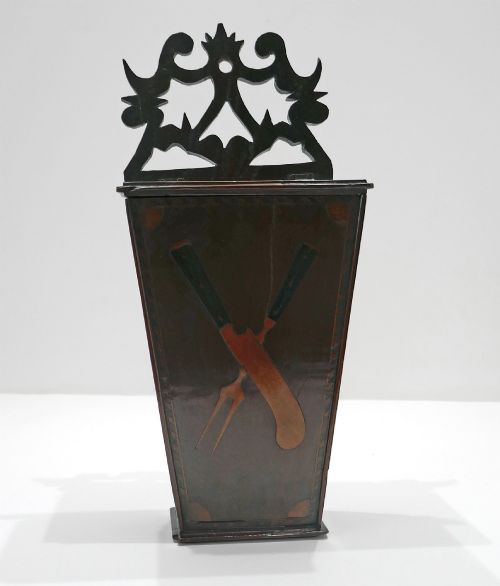
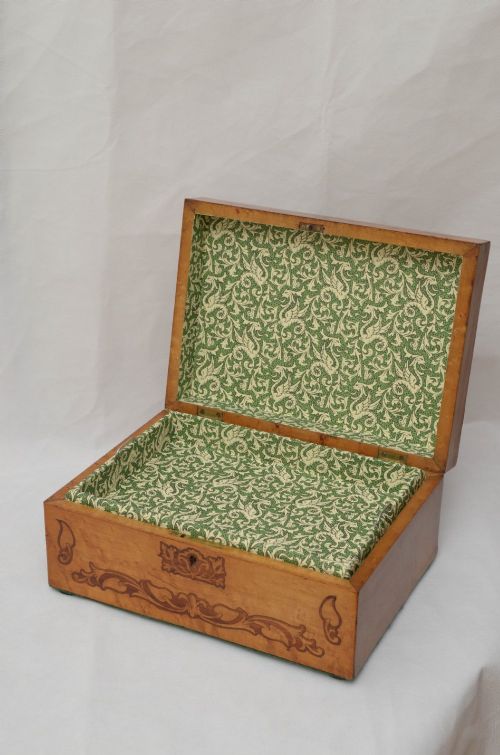
A patterned wooden box encompasses a variety of functional containers found across this page, ranging from Georgian mahogany cutlery boxes to Victorian bird's-eye maple jewellery boxes and small trinket chests. These items served practical domestic purposes, housing precious personal items, dining implements or gaming sets.
Originating across periods from the Georgian era through the Edwardian years and into the 1930s, these boxes reflect changing domestic habits and workshop traditions. Makers employed local and exotic materials, resulting in sturdy storage chests as well as diminutive snuff boxes designed for pocket use.
How they were made
Craftsmen utilised timbers such as mahogany, boxwood, ebony, pine and bird's-eye maple, selecting woods for durability and grain pattern. Contrast was achieved by combining pale boxwood with dark ebony, a technique prominent in chess sets and inlaid cutlery boxes.
Surface ornamentation relied on precision woodworking methods, including contrasting stringing, geometric inlay with tulipwood, and hand carving on hardwoods. Structural integrity was maintained through traditional joinery, housing storage chests and smaller trinket boxes alike.
Internal arrangements often featured compartments lined with fabric or felt, tailored to hold delicate items securely. Exterior finishes protected the timber while highlighting natural figures in the wood, from plain pine storage chests to highly figured rosewood and birch surfaces.
Patterned Wooden Box Retail Price Guide 2026
Typical asking prices for patterned wooden box among the pieces listed under this phrase on Sellingantiques today, from the lower quarter to the upper quarter. They describe what is for sale here now, not the wider market.
Object forms range from utilitarian storage chests and cutlery boxes to intricate chess sets, snuff boxes and small trinket containers.
What varies in quality
Quality rests significantly on the precision of the woodworking and the crispness of any carved details. Sharply defined turns on chess pieces and tightly fitted joints in box construction demonstrate superior workshop standards.
The choice and integration of materials also distinguish the range, as seen in the deliberate pairing of contrasting timbers like boxwood and ebony for inlay or chess sets. Finer examples display harmonious grain selection and balanced proportions across lids, bases and internal compartments.
Maker attribution elevates certain pieces, with documented workshops such as Jaques, F. H. Ayres, Whitty and Calvert commanding attention for their standardised designs and established production benchmarks. Anonymous items rely entirely on their inherent material quality and structural execution.
Jaques·Whitty·F. H. Ayres·Calvert
The Patterned Wooden Box Glossary
- Boxwood
- A dense, pale yellow wood frequently utilised for light-coloured chess pieces and fine inlay work. Its fine grain allows for sharp detail when turned on a lathe.
- Ebony
- A heavy, dark tropical hardwood used to create the contrasting dark side in chess sets and decorative banding. It provides a striking visual counterbalance to boxwood.
- Inlay
- A decorative technique where pieces of contrasting wood, such as tulipwood or ebony, are fitted into recesses flush with the main surface. This creates geometric or linear patterns across the box lid or body.
- Staunton
- A standardised pattern of chess pieces introduced in the mid-19th century, characterised by highly recognizable, architecturally inspired forms. It remains the standard design for tournament play.
- Cutlery box
- A specialised storage container originally designed to hold dining knives and forks, often featuring a sloping lid and internal dividers. Georgian examples frequently showcase fine mahogany construction with contrasting stringing.
Patterned Wooden Box: Frequently Asked Questions
How do I care for antique wooden boxes?
Keep wooden boxes away from direct sunlight and radiators to prevent the timber from drying out or warping. Dust gently with a dry, soft cloth and avoid applying modern liquid polishes that can damage historic finishes.
For pieces with fabric or felt linings, use a soft brush attachment on a vacuum at low suction to remove debris. Maintaining a stable room temperature protects both the exterior wood and any delicate internal compartments.
What were small wooden boxes originally used for?
Small wooden boxes served varied domestic purposes, holding everything from personal valuables and jewellery to dried snuff and dining cutlery. Specific forms like work boxes and ottomans stored sewing materials and needlework.
Gaming sets, including chessmen and folding boards, were housed in dedicated wooden containers to keep pieces organised between uses. Each box was tailored to the specific dimensions of the items it protected.
How can I tell the period of a wooden box?
Dating relies on examining construction methods, timber choices and decorative styles associated with specific eras like the Georgian or Victorian periods. Dovetail joints, lining materials and hinge types often provide clear chronological indicators.
Makers' marks, stamps or distinctive pattern names found on items like chess sets further narrow down the production date. Comparing the overall form to dated examples helps confirm the likely decade of manufacture.
What is the difference between an inlay and a veneer?
An inlay involves fitting contrasting pieces of wood or other materials into carved recesses on the surface to form a pattern. The inserted material sits flush with the surrounding wood.
Veneer consists of a thin sheet of superior timber applied over a secondary, more common wood base to provide a decorative exterior. Both techniques allowed makers to achieve ornate visual effects using precious materials economically.