







Patterned Living Room Rug
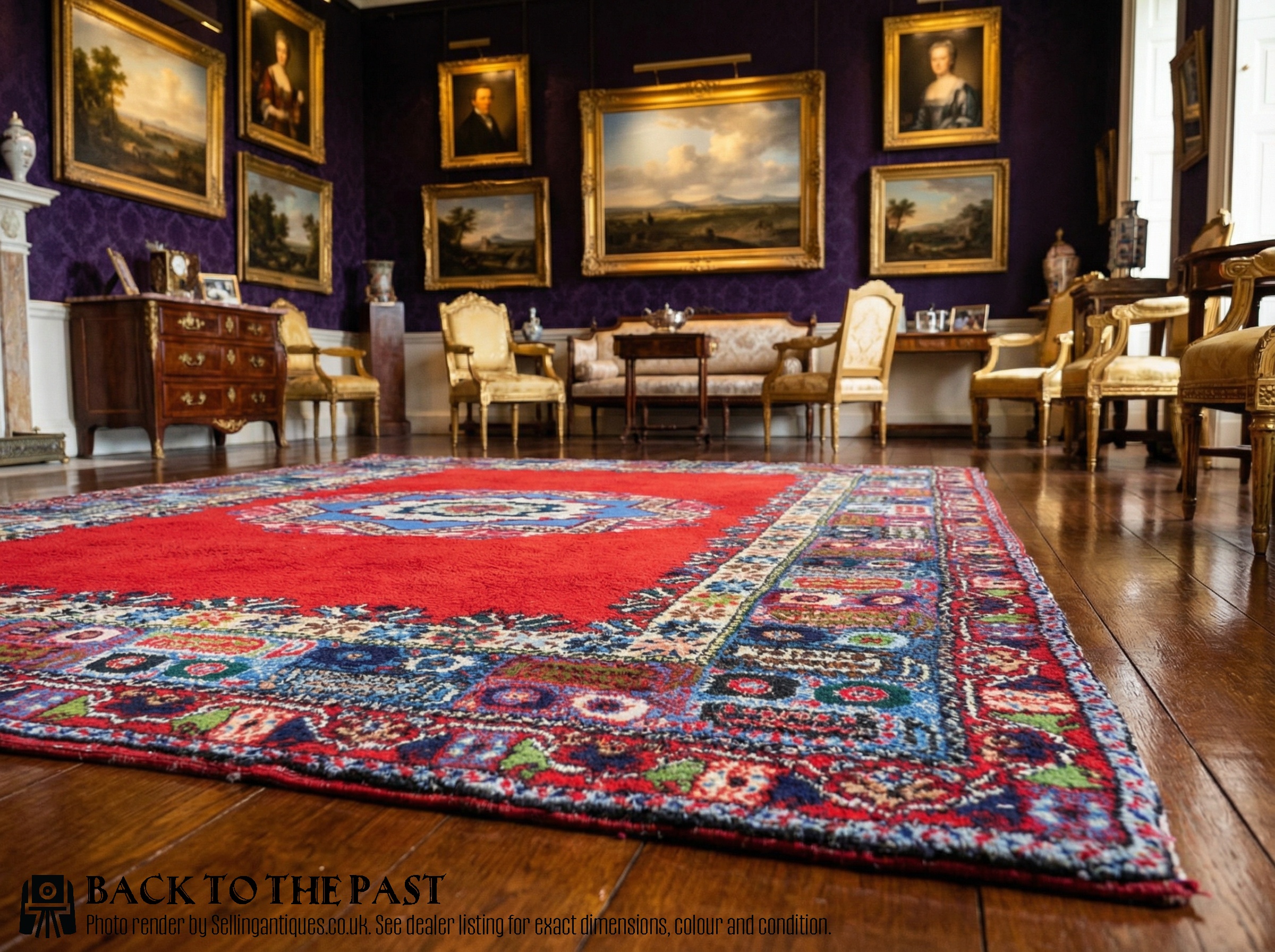
A patterned living room rug grounds a floor with heritage design, offering traditional Persian and Caucasian motifs woven in wool, cotton, and silk.
Patterned Living Room Rug
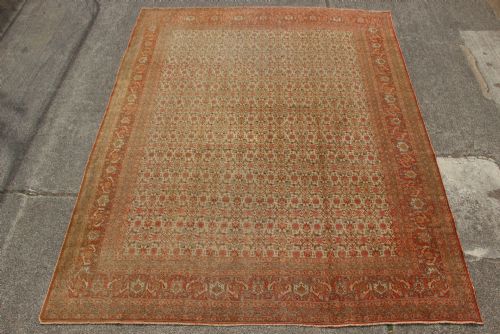
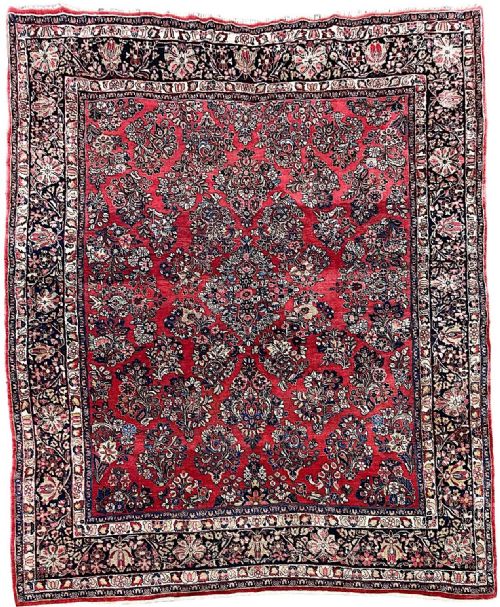
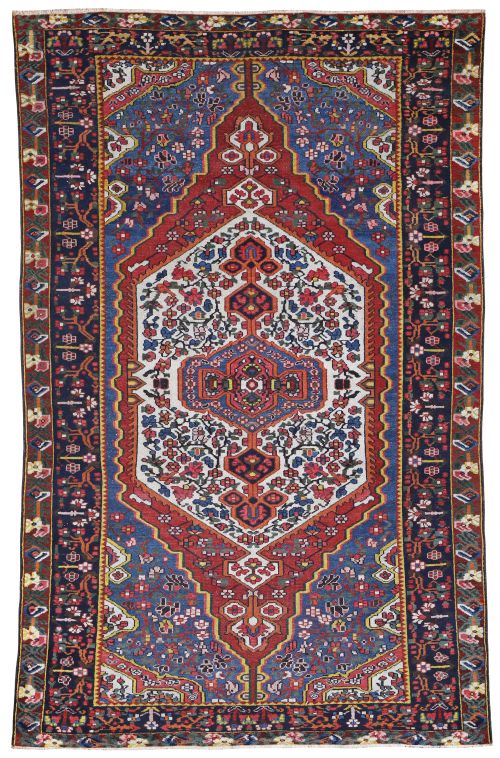
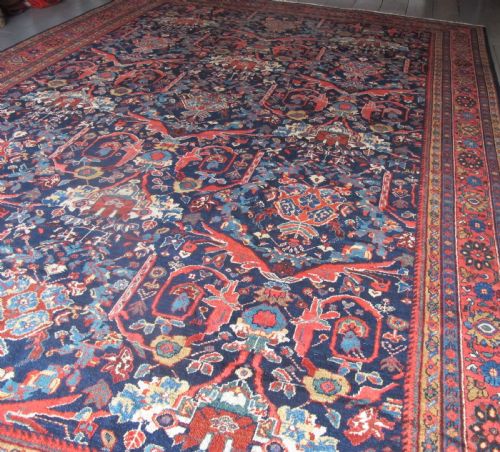
When searching for a patterned living room rug, collectors encounter large carpets and room-sized floor coverings originating from the late nineteenth and early twentieth centuries. These pieces display distinct regional styles including Tabriz, Sarouk, Mahal, Qum, Sultanabad, Baktiari, and Senneh weaves.
The most common examples on this page are substantial room-sized carpets dating from the 1900s to the 1930s. They bring intricate oriental and traditional persian patterns directly into domestic spaces, functioning as both historical artefacts and durable floor coverings.
Materials and construction
These floor coverings are constructed primarily from natural fibres, utilising wool pile woven onto supportive cotton foundations. Certain finer examples incorporate silk to achieve sharper detail and subtle lustre within the intricate traditional designs.
Weavers employed traditional hand-knotting techniques characteristic of Persian and Caucasian workshops, creating dense piles that withstand daily foot traffic. The dyes used across these wool and cotton textiles yield rich, lasting colour variations that define the period.
Patterned Living Room Rug Retail Price Guide 2026
Typical asking prices for patterned living room rug among the pieces listed under this phrase on Sellingantiques today, from the lower quarter to the upper quarter. They describe what is for sale here now, not the wider market.
Several carpets from the 1920s remain remarkably colourful after a century of walking.
Evaluating quality and execution
The distinction between standard examples and superior pieces rests on knot density and the precision of the woven design. Finer knotting allows intricate floral and geometric motifs, such as the Mostafi design, to appear sharper and more resolved across the field.
Material selection also dictates overall grade, with high-purity wool and the inclusion of silk indicating greater refinement. The depth of the colour palette and the balance maintained between border and medallion layouts further separate everyday rugs from exceptional carpets.
The Patterned Living Room Rug Glossary
- Pile
- The vertical or inclined loop of yarn that forms the usable surface of a carpet. In these antique pieces, the pile is predominantly wool.
- Medallion
- A central ornamental motif set into the middle of the rug field. It forms the focal point of many traditional Persian designs.
- Warp
- The stationary longitudinal threads stretched on a loom upon which the knots are tied. Cotton serves as the primary material for this foundation.
- Weft
- The transverse threads passed across the warp strands to lock the knots in place. This structural element secures the integrity of the weave.
- Field
- The background area of the rug enclosed by the borders. This central space displays the primary patterned motifs and regional designs.
Patterned Living Room Rug: Frequently Asked Questions
How do I clean a wool rug?
Professional dusting and specialist washing preserve the natural lanolin within the wool fibres without damaging the traditional dyes.
Regular gentle vacuuming without a rotating brush bar prevents dirt accumulation in the pile.
Are these carpets suitable for heavy foot traffic?
The dense wool construction of these room-sized carpets allows them to endure regular daily use in living spaces.
Placing a proper underlay beneath the rug reduces friction and extends the lifespan of the antique foundation.
What defines a Tabriz carpet?
Tabriz rugs originate from a prominent weaving centre known for meticulous execution and diverse pictorial or floral motifs.
They frequently employ a fine wool pile on a cotton base, resulting in a durable and highly detailed floor covering.
How do I identify a Caucasian pattern?
Caucasian designs typically feature bold geometric forms, stylised animals, and sharp rectilinear medallions rather than curving florals.
These patterns often utilise strong, contrasting primary colours arranged in striking symmetrical layouts.