




Patinated Copper Lantern
These patinated copper lantern pieces are characterful survivors from the nineteenth and early twentieth centuries, offering lasting period charm for halls, porches and rooms.
Patinated Copper Lantern
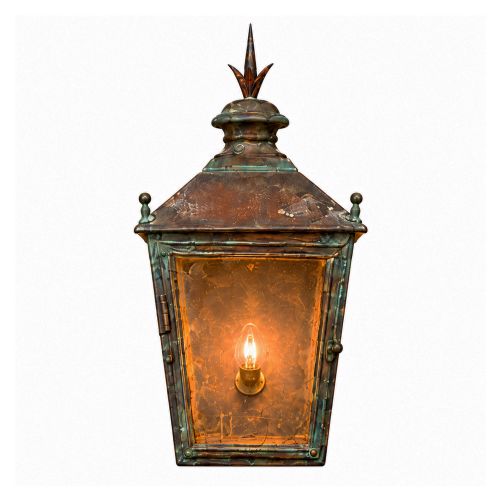
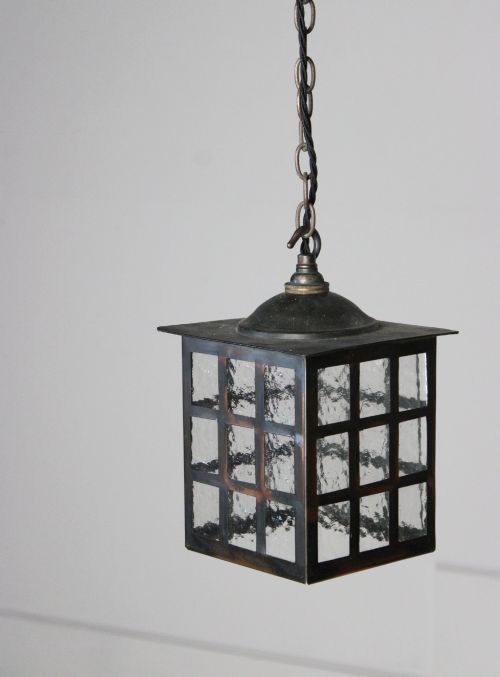
When you search for a patinated copper lantern, you encounter lighting fixtures spanning from the late nineteenth century through to the Edwardian period and the 1920s. The listings here showcase practical historical designs including porch lights, pendant lights, wall lanterns and outdoor lighting.
You are most likely to meet wall-mounted coach-house styles and hanging hall lanterns shaped by Arts and Crafts, Victorian, Neo-Classical and Gothic Revival influences. These items transition easily from exterior facades to interior spaces.
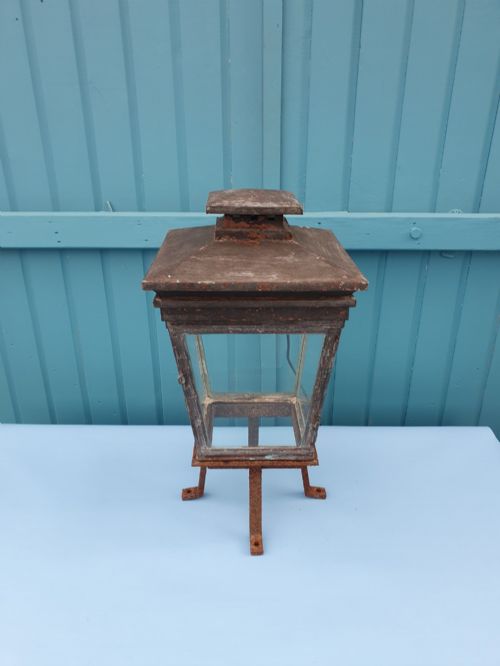
The forms range from compact small lanterns measuring ten inches to substantial gas street lamps and ship lanterns. Each piece carries the distinct surface oxidation and verdigris gathered over decades of exposure.
How they were made
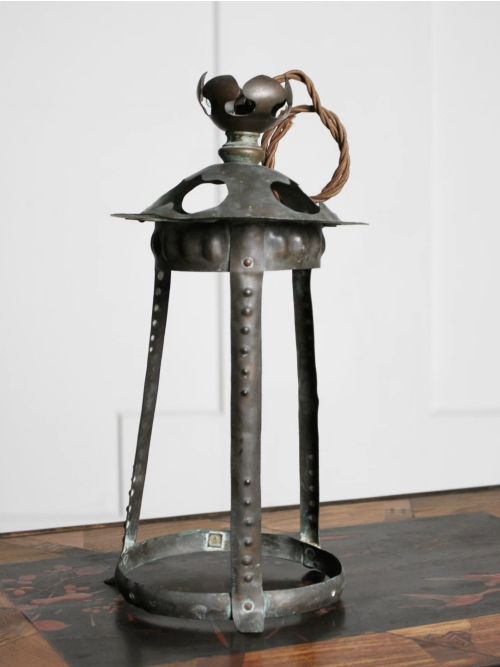
Makers formed these fixtures primarily from sheet copper, often combining it with brass, iron and wrought iron for structural strength and decorative mounts. Glass panels were fitted to enclose the light source safely.
Construction techniques reflect the transition from gas lighting to electricity, with several examples converted from original gas supply. Metalwork was shaped by hand, creating riveted and soldered seams designed to withstand external conditions.
Patinated Copper Lantern Retail Price Guide 2026
Typical asking prices for patinated copper lantern among the pieces listed under this phrase on Sellingantiques today, from the lower quarter to the upper quarter. They describe what is for sale here now, not the wider market.
One cheerful survivor is catalogued simply as an old decorative green man copper lantern.
What varies in quality
The distinction between ordinary and exceptional examples rests upon the depth of the metalworking and the character of the surface oxidation. Pieces featuring hand-hammered Arts and Crafts details or cast brass mounts display superior design ambition.
Integrity of form and originality of components dictate the standing of a piece within its period. Gas conversions retain historical authenticity, while matched pairs command particular interest for architectural symmetry.
A Foster & Pullen Bradford
The Patinated Copper Lantern Glossary
- Patinated
- Surface alteration caused by age and oxidation. This natural weathering creates green verdigris and dark tones valued by collectors.
- Arts and Crafts
- A design movement prioritising traditional craftsmanship and simple forms. Objects from this style emphasise visible construction and honest materials.
- Verdigris
- A green patina formed on copper through atmospheric exposure. It serves as a visual indicator of age and weathering.
- Coach-house style
- A robust wall-mounted lighting design originally suited for exterior carriage entrances. These fixtures typically feature bracket mounts and protective hoods.
Patinated Copper Lantern: Frequently Asked Questions
What periods do these lanterns come from?
The pieces span from the late nineteenth century through the Edwardian era up to the 1920s. They capture historical manufacturing methods before modern mass production.
Victorian and Arts and Crafts examples dominate the selection, showing distinct stylistic shifts from ornate neo-classical designs to simpler utilitarian forms.
Were these originally gas lights?
Many early examples started life as gas street lamps, porch lights or interior fixtures before conversion to electricity. This history explains the heavier metal gauges and ventilation caps found on top.
Adapting them for modern electrical wiring allows these historical outdoor and hall lights to function safely in contemporary settings.
Can these lanterns be used outside?
Most pieces were built for exterior use on coach-houses, porches and streets, making them naturally resilient. Copper and brass resist rust effectively, though glass panels require secure sealing against weather.
Checking the specific mounting type helps determine whether a pendant, wall bracket or base-standing model suits your intended location.
How do I identify an Arts and Crafts lantern?
Arts and Crafts pieces emphasise visible hand-beaten metalwork, rivets and straightforward structural forms rather than applied surface ornament. They reflect a philosophy valuing maker skill over industrial uniformity.
Matching the construction details against Edwardian architectural lighting helps confirm the period and stylistic lineage.