


Patinated Bronze Ornaments
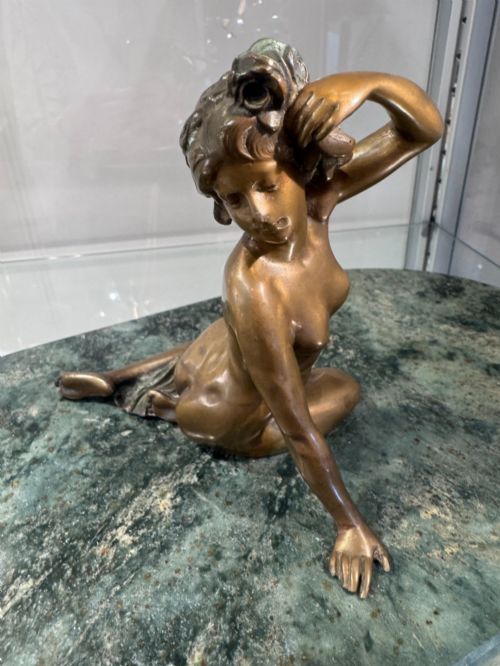
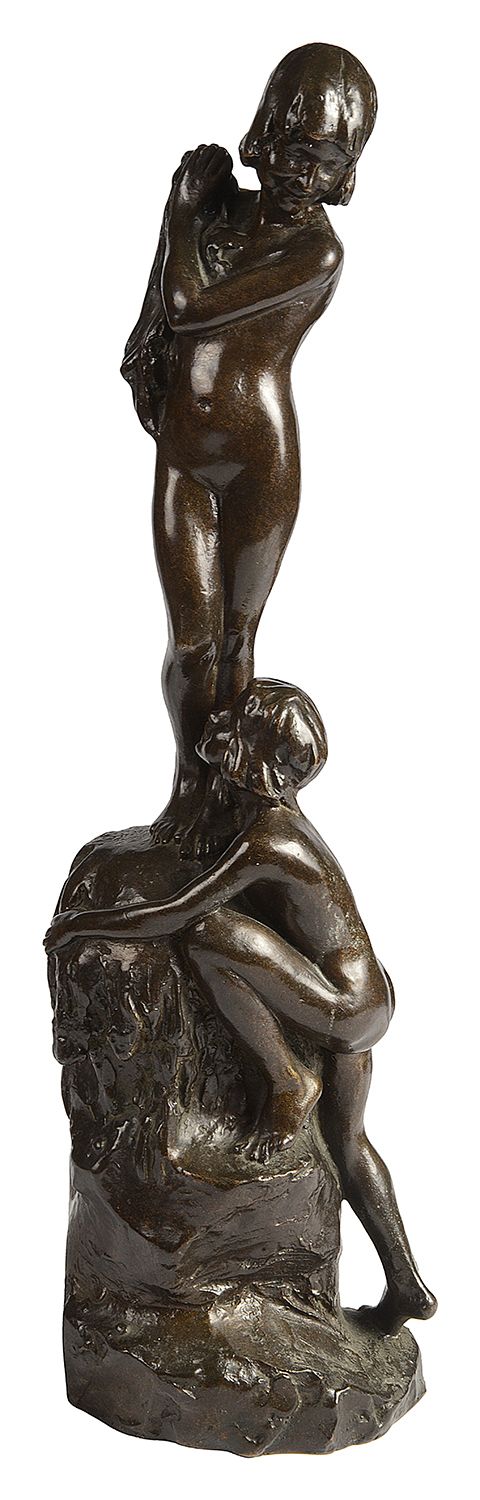
These patinated bronze ornaments bring centuries of masterly metalwork and classical form straight into domestic interiors.
Patinated Bronze Ornaments
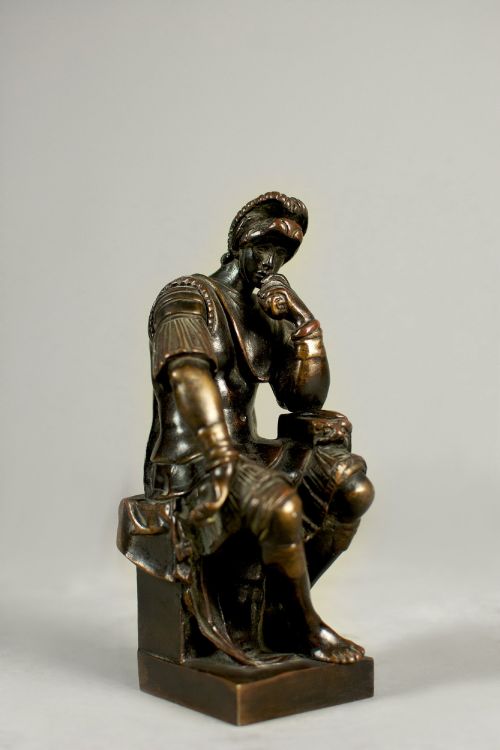
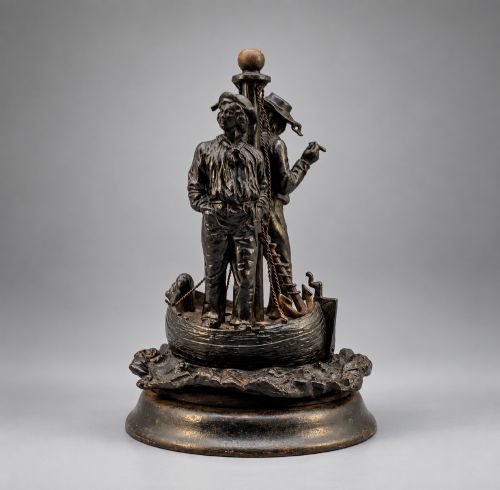
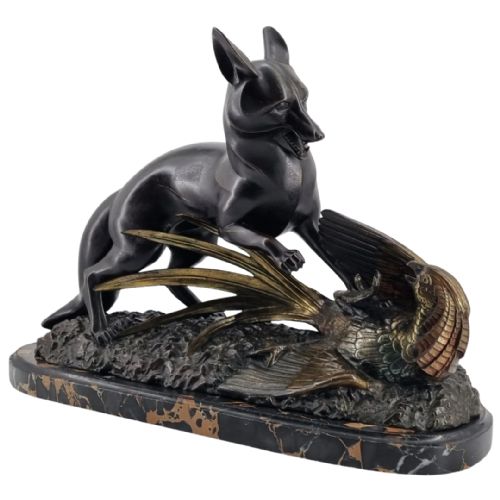
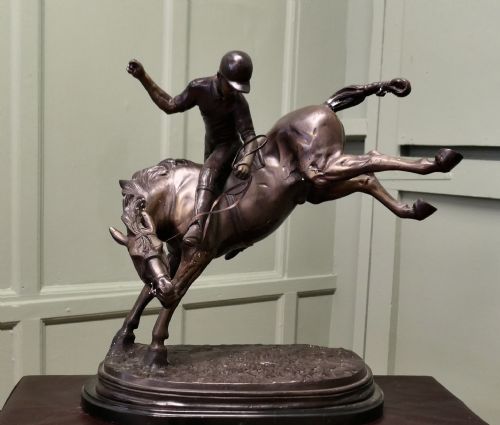
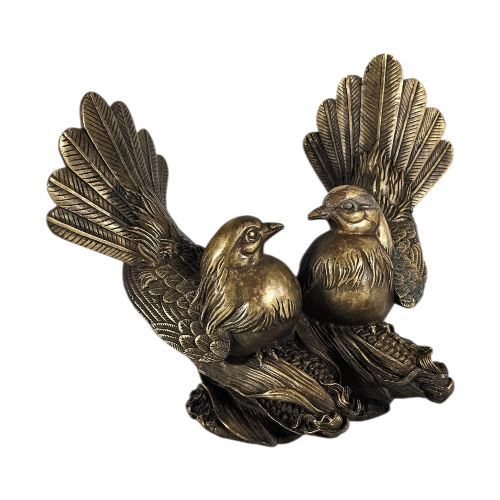
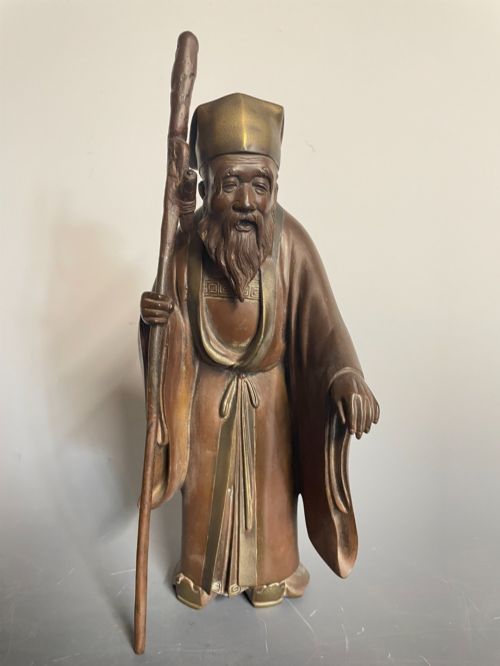
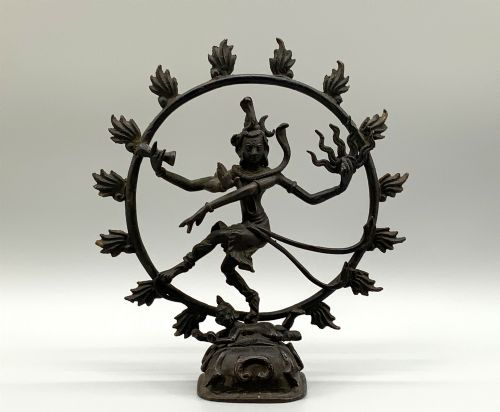
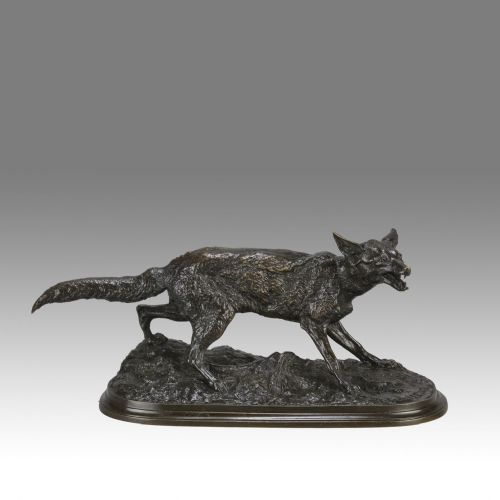
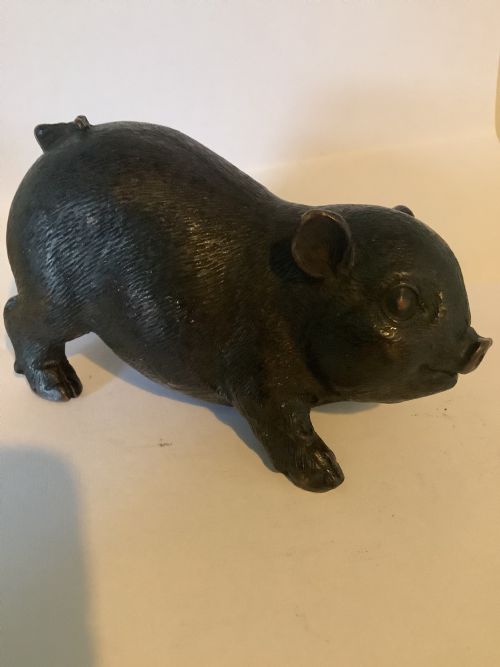
When you search for patinated bronze ornaments, you encounter a diverse array of sculptures, figures, and decorative objects spanning the nineteenth and twentieth centuries. These pieces encompass international traditions, including Meiji period Japanese okimono, French animalier studies of wildlife, and Italian Grand Tour models.
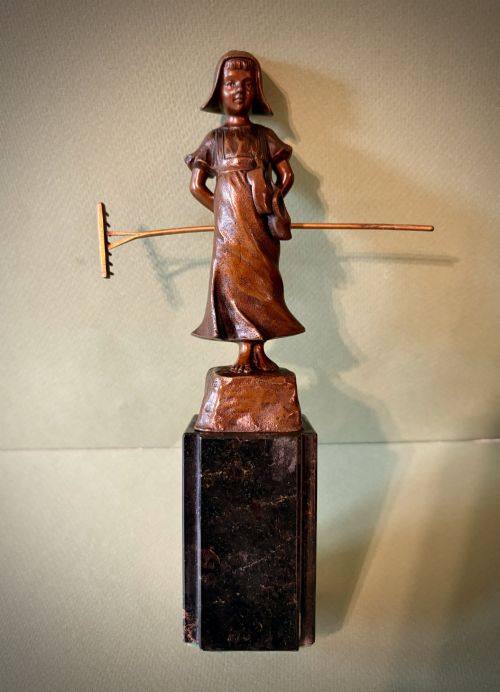
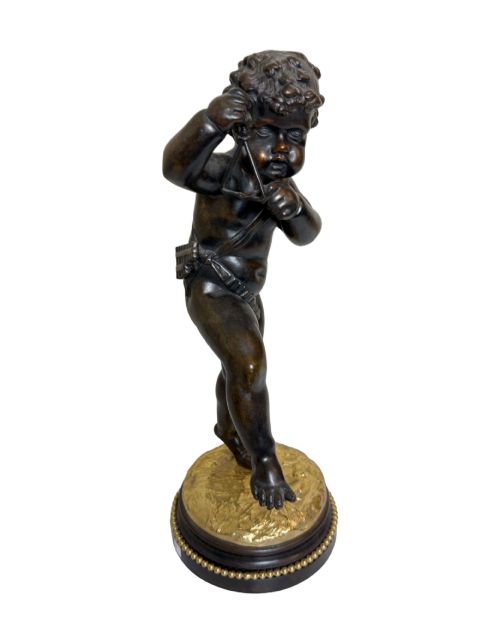
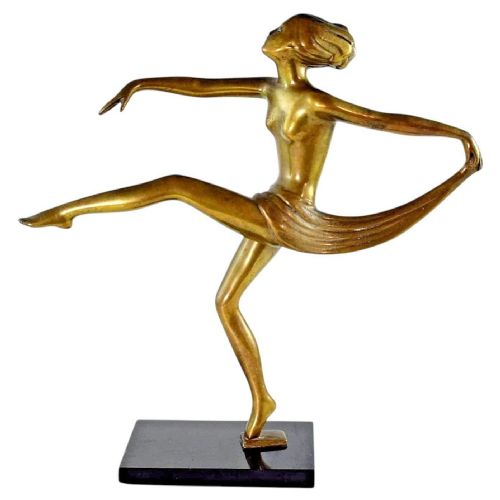
The selections on this page lean heavily toward European figural bronzes, mythological subjects, and naturalistic animal studies. You will find works ranging from small cabinet figures to substantial tabletop sculptures, often mounted on marble or onyx bases.
How they were made
The makers of these items utilised traditional casting methods such as the lost-wax technique to capture intricate details in molten metal. Artisans then applied chemical treatments to the raw bronze surface to create the characteristic aged or dark patina.
Many sculptures incorporate mixed media elements, pairing the cast metal with stone, wood, or marble plinths to provide stability and visual contrast.
Among the menagerie of bronze beasts, a cautious stone-carved armillary sphere shares space with an attentive bronze pug.
What varies in quality
The standard of a bronze ornament rests upon the sharpness of the original casting and the subtlety of the chaser's finishing work. Superior examples display crisp anatomical definition and carefully nuanced surface patination rather than flat, uniform coloration.
The quality of the mount also matters, particularly in nineteenth-century French and Grand Tour pieces where fitted marble or onyx bases should integrate seamlessly with the bronze work above.
P J Mêne·Émile Louis Picault·Antoine Louis Barye·Rudolf Küchler·Josef Lorenzl·Moreau Family·Christophe Fratin·Alfred Barye·E Villanis·Masaaki·C J R Colinet
The Patinated Bronze Ornaments Glossary
- Patina
- The surface coloration and sheen developed naturally over time or applied chemically by the artisan. This finish protects the metal and defines the visual depth of the sculpture.
- Animalier
- A nineteenth-century artistic style focused on the realistic depiction of animals, particularly predators and domestic beasts. Practitioners of this style studied subjects closely in menageries.
- Grand Tour
- A traditional cultural excursion undertaken by European elites, resulting in the acquisition of small-scale bronze replicas of classical antiquities and architecture. These souvenirs form a distinct collecting category.
- Okimono
- A Japanese display piece or decorative figurine designed for placement in a traditional home interior. These objects frequently depict animals, mythical figures, or daily scenes from the Meiji period.
Patinated Bronze Ornaments: Frequently Asked Questions
What is patinated bronze?
Patinated bronze is a copper alloy treated with chemical solutions to produce a controlled surface colour, ranging from deep brown to verdigris green.
This finish protects the underlying metal from active corrosion while accentuating the sculptural contours and shadows of the cast.
How do I care for bronze ornaments?
Maintain your bronze pieces by dusting them gently with a soft, dry cloth to prevent the accumulation of airborne grit.
Avoid using liquid cleaners, polishes, or abrasive cloths, as these substances can strip away the historical patination and damage the metal.
What does animalier mean?
Animalier refers to nineteenth-century sculpture specialising in the lifelike portrayal of animals in motion or repose.
Artists in this genre focused on anatomical accuracy and observed wild animals directly in zoological gardens to inform their compositions.
Why are some bronzes on marble bases?
Sculptors mounted bronzes on marble or onyx plinths to provide structural stability and create a defined visual boundary for the artwork.
This practice became particularly common during the nineteenth century for French cabinet bronzes and Grand Tour souvenirs.