

Patinated Bronze Animal Figures
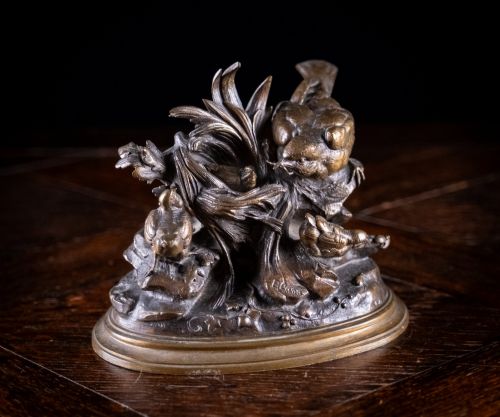
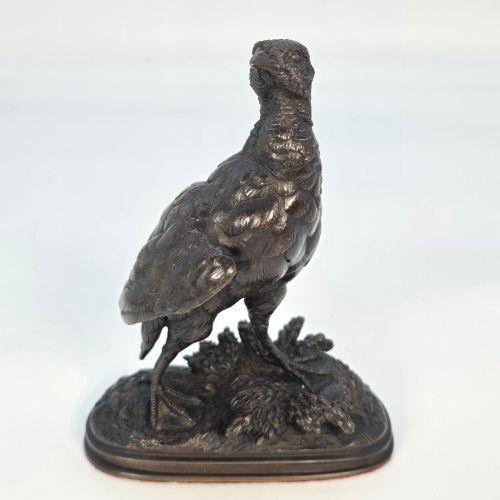
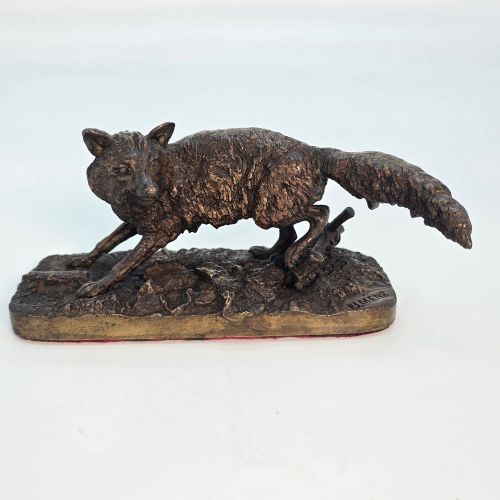
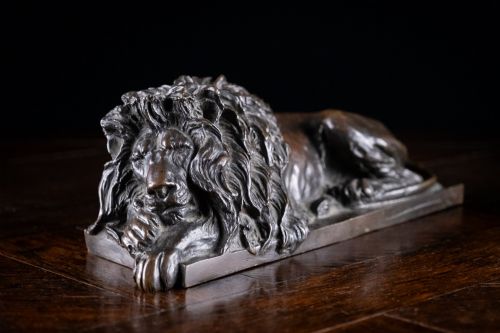
When you search for patinated bronze animal figures, you are looking at tactile animalier sculpture and okimono shaped by master hands across the nineteenth and twentieth centuries.
Patinated Bronze Animal Figures
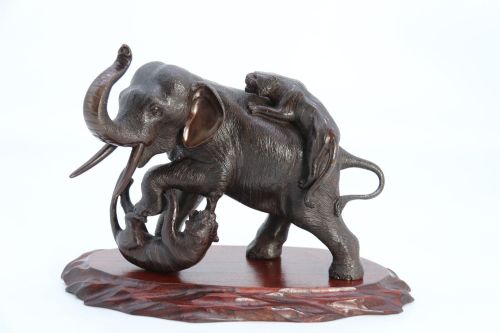
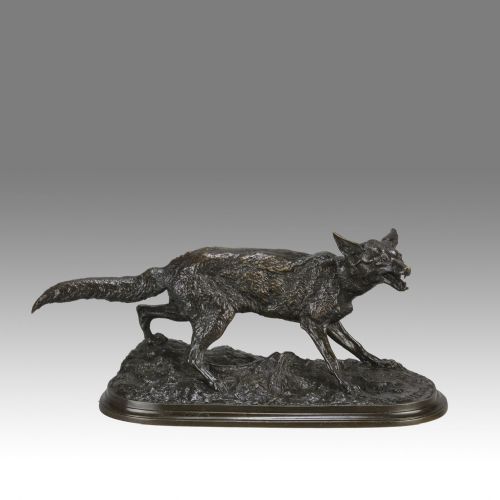
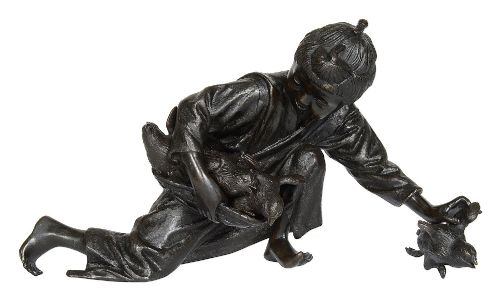
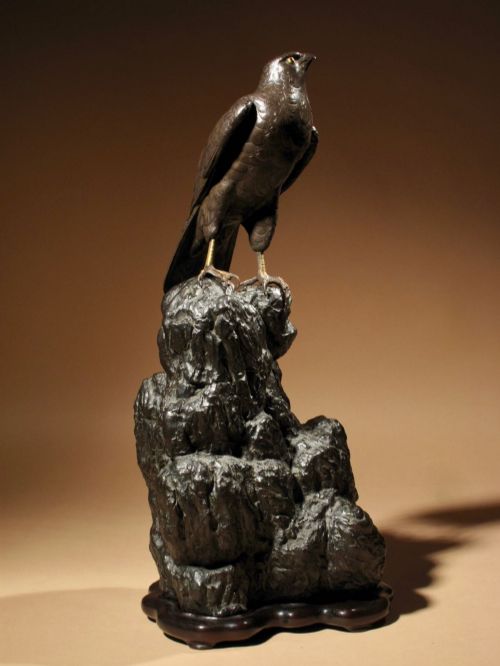
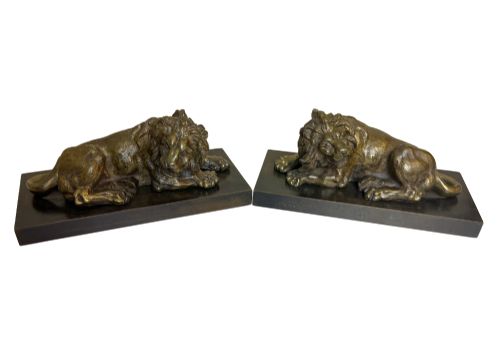
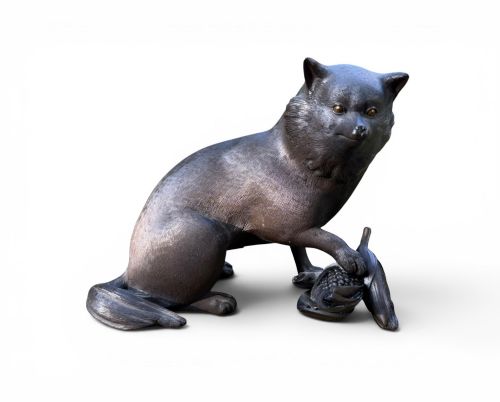
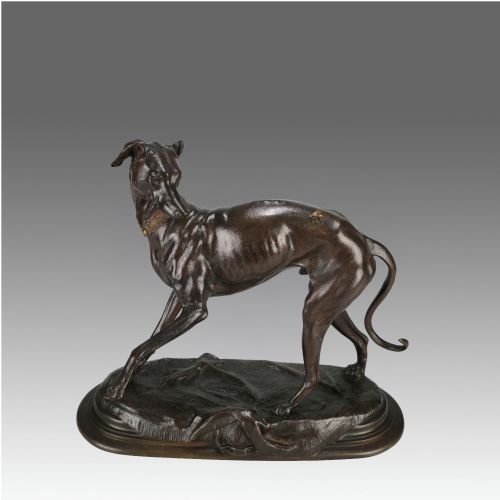
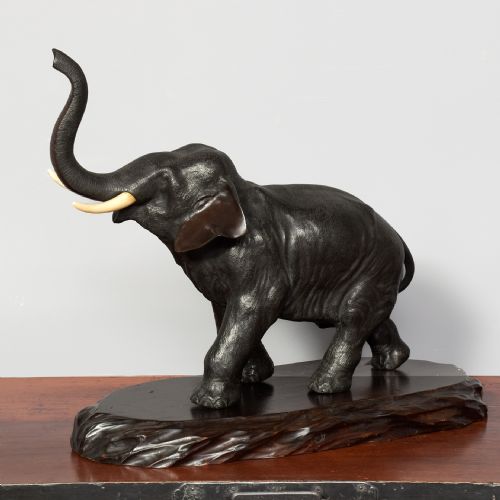
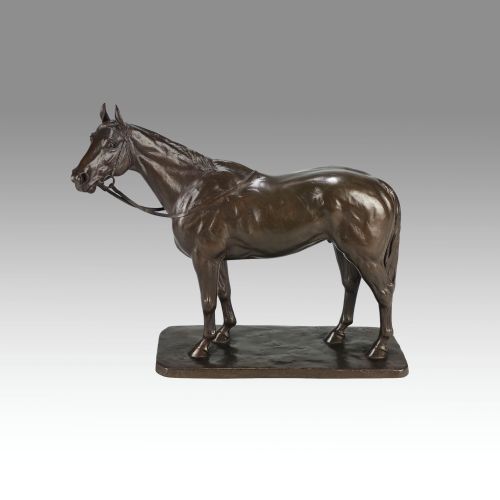
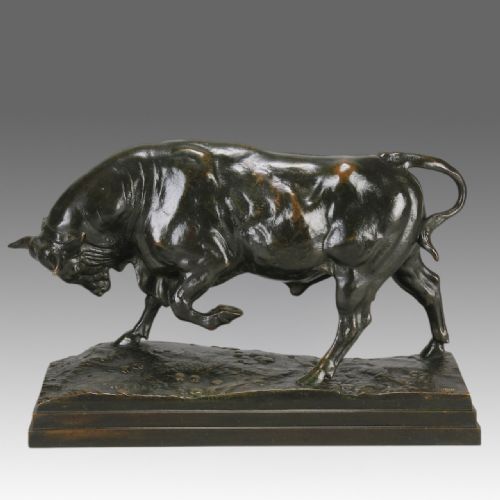
Patinated bronze animal figures span realistic European animalier studies of lions, hounds, and birds alongside Japanese Meiji period okimono depicting elephants, monkeys, and horses. You will frequently encounter French nineteenth-century casts alongside Asian bronzes mounted on naturalistic bases.
Makers ranged from European sculptors working in the animalier tradition to Tokyo foundries and named Japanese artists. The forms extend from small cabinet figures to large decorative sculptures and functional bookends.
How they were made
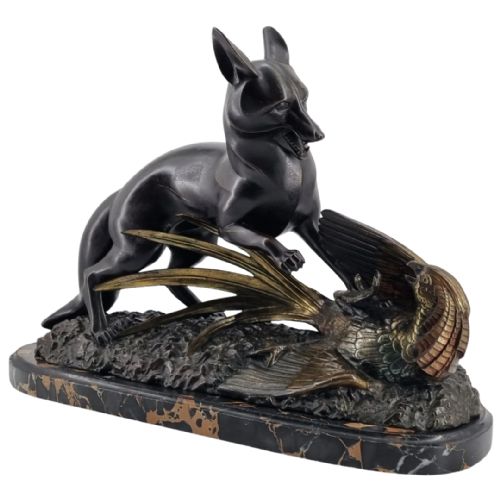
Foundries utilised traditional lost-wax and sand-casting methods to capture muscular detail in bronze, often applying dark chemical patination to accentuate fur, feathers, and textured rockwork. Selected works incorporate contrasting materials such as ivory tusks or sit upon carved marble bases.
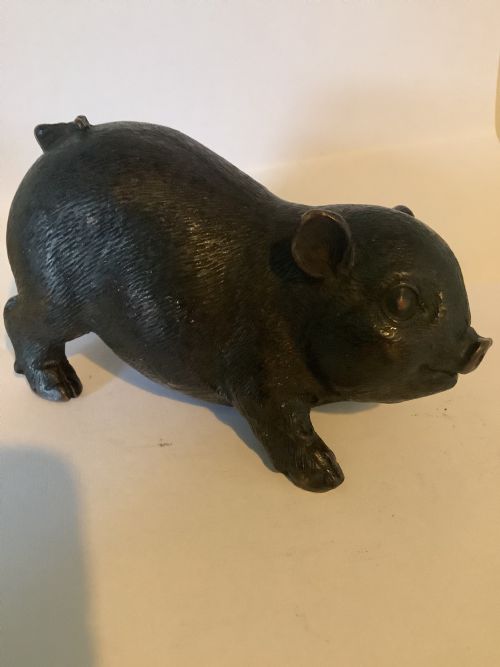
Japanese okimono and Chinese mythical beasts demonstrate meticulous chasing and high-relief carving, frequently bearing maker signatures or foundry marks directly into the metal surface.
Patinated Bronze Animal Figures Retail Price Guide 2026
Typical asking prices for patinated bronze animal figures among the pieces listed under this phrase on Sellingantiques today, from the lower quarter to the upper quarter. They describe what is for sale here now, not the wider market.
Listings feature works spanning the nineteenth century, the Meiji period, and the Art Deco era in bronze, spelter, and marble.
What varies in quality
Quality rests in the crispness of the chasing and the depth of the patination, where secondary toolwork defines muscle tension and fur texture rather than relying solely on the raw cast. Finer examples retain subtle tonal gradients in the surface colour and precise anatomical proportions.
The distinction between superior works and standard production lies in the liveliness of the subject's pose and the clarity of artist signatures or foundry stamps.
P J Mêne·Christophe Fratin·Antoine Louis Barye·Kunio Itô·Paul Édouard Delabrièrre
The Patinated Bronze Animal Figures Glossary
- Animalier
- A nineteenth-century artistic movement dedicated to the realistic representation of animals. Practitioners focused heavily on the anatomical accuracy of wild and domestic beasts.
- Okimono
- A Japanese decorative freestanding figurine intended for display in a traditional interior setting. These pieces often depict animals, figures, or mythical scenes from the Meiji period.
- Patina
- The surface coloration and sheen developed naturally through age or applied chemically by the foundry. It protects the metal while highlighting fine sculptural details.
- Spelter
- A cheaper zinc-based alloy utilised as an alternative to bronze, particularly within Art Deco decorative objects. It mimics the appearance of patinated metal when finished.
Patinated Bronze Animal Figures: Frequently Asked Questions
What is an animalier bronze?
An animalier bronze is a nineteenth-century sculpture focused on the realistic study of animals in action or repose. These pieces capture the musculature and behaviour of wild and domestic creatures with high fidelity.
European sculptors popularised this genre, producing everything from resting lions to hunting dogs and birds.
How do I identify a Meiji period bronze?
Meiji period bronzes originate from Japan between 1868 and 1912, often taking the form of okimono depicting elephants, monkeys, or horses. They are characterised by intricate surface detail and dynamic, naturalistic compositions.
Many examples feature signature plaques or foundry marks incised into the base.
What does patinated mean?
Patination refers to the deliberate surface treatment applied to bronze to create rich dark browns, greens, or black tones. This chemical finish protects the metal and accentuates the chased details of the sculpture.
Over time, handling and environment can softly alter the depth of this surface colour.
Where should I display these figures?
These figures suit stable wooden surfaces such as sideboards, desks, or mantelpieces where their weight and tactile patination can be appreciated up close. Keeping them away from direct heat sources preserves the integrity of the metal.
Heavier models like bookends work well securing volumes on open shelving.