





Pastoral Shepherd Artwork
Pastoral shepherd artwork brings rural calm to a room through traditional depictions of flocks, handlers and rustic landscapes.
Pastoral Shepherd Artwork
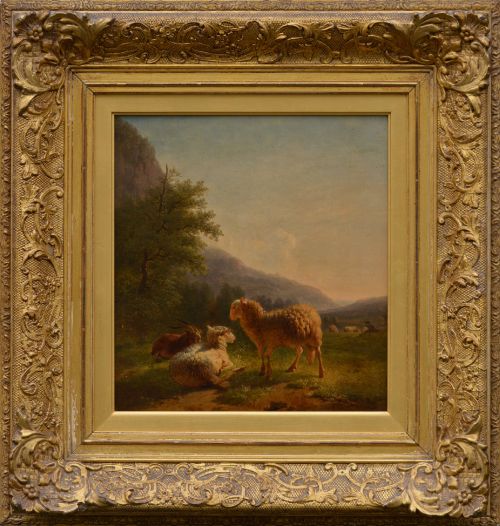
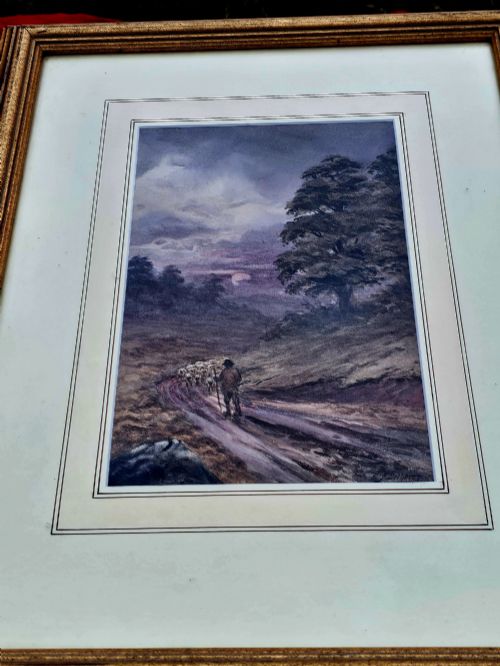
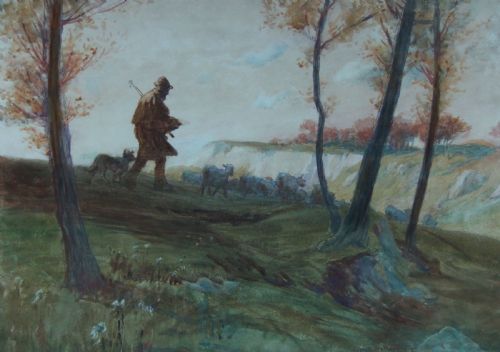
Pastoral shepherd artwork captures rural scenes featuring figures tending flocks in countryside settings across various historical periods. The selections available here focus heavily on nineteenth-century and early twentieth-century interpretations.
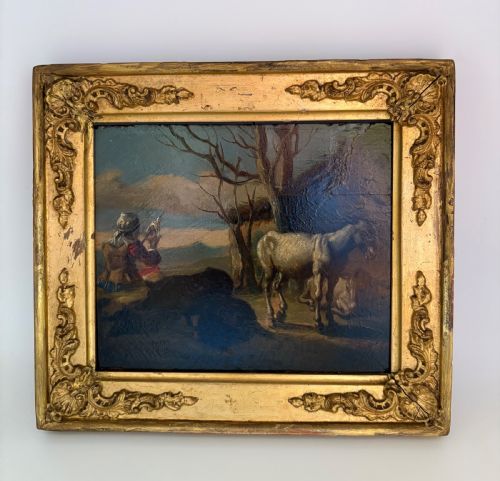
Buyers encounter framed wall art executed in oil paint or watercolour across canvas, paper and wooden panel supports. These pieces range from intimate watercolours to larger oil paintings housed in giltwood frames.
How they were made
Artists utilised oil paint and watercolour on stretched canvas, thick paper or prepared oak panels to build their rural compositions. Skilled hands applied pigments to capture the play of light across fields and fleece.
Many surviving examples retain their period frames constructed from wood, gesso and giltwood under glass protection. These housings reflect the framing styles popular during the Victorian and Edwardian eras.
Pastoral Shepherd Artwork Retail Price Guide 2026
Typical asking prices for pastoral shepherd artwork among the pieces listed under this phrase on Sellingantiques today, from the lower quarter to the upper quarter. They describe what is for sale here now, not the wider market.
Several sheep have undoubtedly spent more centuries inside giltwood frames than they ever did grazing in real pastures.
What varies in quality
Quality rests in the handling of light, shadow and atmospheric depth within the landscape rather than the subject matter alone. Stronger works demonstrate confident brushwork and precise anatomical rendering of both figures and animals.
The condition and period authenticity of the accompanying frame contribute significantly to the overall integrity of the piece. Intricate giltwood mouldings complement the painted surface when original to the work.
Eugène Verboeckhoven·Francois Boucher·EJ Letheren·Henry Charles Fox·Philipp Peter Roos·Giulio Cecchini·George Turner·A. Winter Shaw·Owen Bowen·Henry Birtles·George Faulkner Wetherbee·William Greaves·Anthonij Mauve
The Pastoral Shepherd Artwork Glossary
- Canvas
- A heavy woven fabric stretched across a wooden frame to serve as a sturdy support for oil paintings. Painters apply grounds and priming layers before working with pigments.
- Giltwood
- Wood carved and coated with gold leaf or metallic powder to create a bright decorative finish. This material appears frequently on nineteenth-century picture frames.
- Watercolour
- A paint consisting of pigment suspended in a water-soluble binder applied to paper supports. It creates luminous translucent effects well suited to landscape depiction.
- Panel
- A flat piece of wood used as a rigid support for paintings instead of canvas. Oak panels appear in earlier works within this category.
Pastoral Shepherd Artwork: Frequently Asked Questions
What periods do these artworks span?
The pieces available range from eighteenth-century interpretations through nineteenth-century romanticism and early twentieth-century Edwardian works. This timeline covers several distinct artistic movements focused on rural life.
Creators during these periods utilised traditional mediums such as oil and watercolour to document changing agricultural landscapes and pastoral traditions.
How are these paintings framed?
Many examples survive within period giltwood or wooden frames that complement the aesthetic of the artwork. Some frames feature decorative gesso moulding characteristic of Victorian and Edwardian craftsmanship.
Buyers should examine frame descriptions carefully to determine whether the housing is contemporary to the painting itself.
What surfaces were used by the artists?
Artists employed canvas, heavy paper and wooden panels as supports for their pastoral compositions. Oil paint was typically reserved for canvas and panel, while watercolour was applied to paper.
Each surface material requires specific preservation methods to maintain the stability of the paint layer over time.
How do I identify different styles?
Styles range from French Rococo influences and nineteenth-century romanticism to British impressionism and early twentieth-century realism. Brushwork techniques and colour palettes shift according to the specific decade of creation.
Comparing the handling of light and texture helps distinguish between academic studio works and plein-air landscape paintings.