









Pastoral Portrait Painting
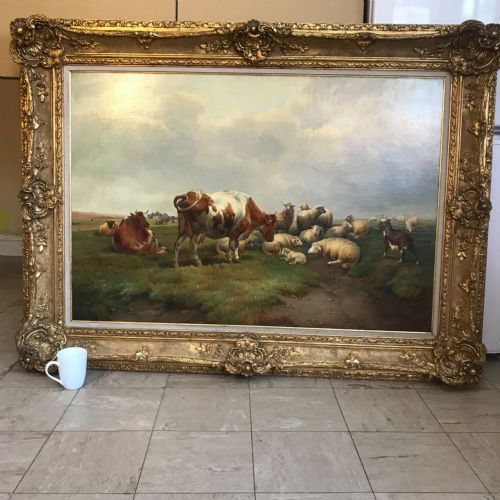
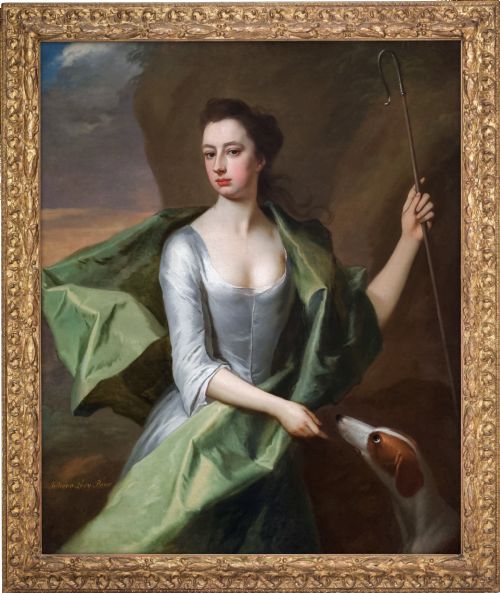
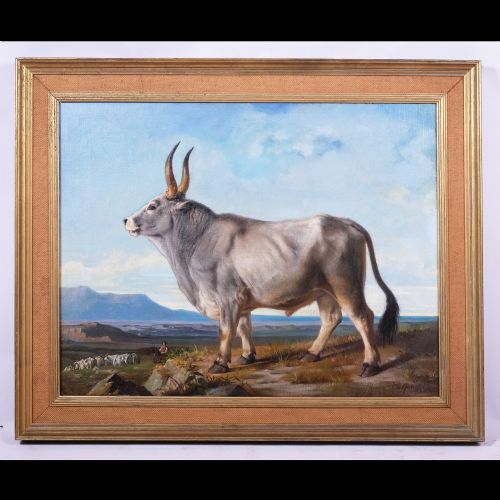
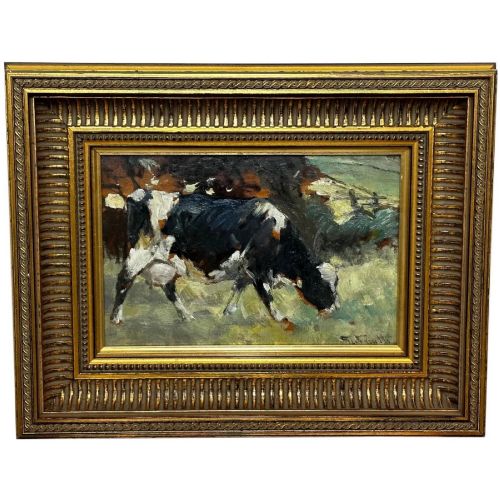
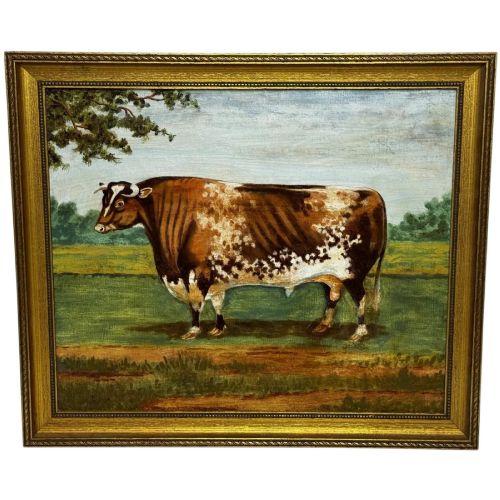
A pastoral portrait painting captures figures and livestock in rural settings, offering buyers a romantic window into traditional agrarian life.
Pastoral Portrait Painting
A pastoral portrait painting combines human figures, noble animals, and rustic landscapes into a single cohesive composition.
Buyers browsing this selection encounter works spanning the seventeenth century through the early twentieth century, with strong representation from the Victorian era.
Common subjects range from shepherdesses and farm workers to detailed studies of cattle, sheep, and dogs set against European countryside backdrops.
Materials and methods
Artists primarily applied oil paint to stretched canvas or worked with watercolour on paper, often housing finished pieces in ornate giltwood frames.
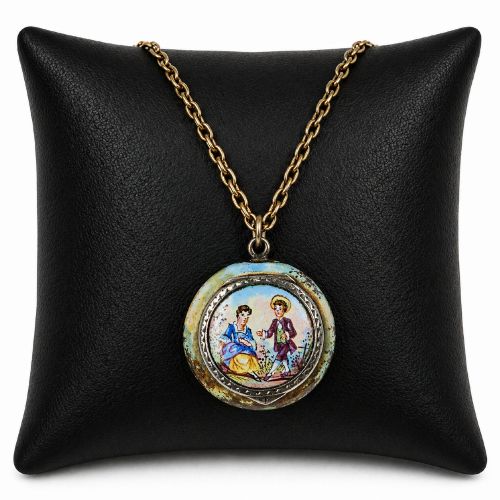
Enamel and glass serve as alternative substrates for smaller works, such as decorative wall plaques and miniature paintings.
Traditional techniques involve layering pigments to achieve realistic textures in animal coats and pastoral foliage.
Pastoral Portrait Painting Retail Price Guide 2026
Typical asking prices for pastoral portrait painting among the pieces listed under this phrase on Sellingantiques today, from the lower quarter to the upper quarter. They describe what is for sale here now, not the wider market.
Listings feature canvases and watercolours spanning the 17th century to 1920.
Evaluating quality in pastoral works
Quality rests upon the artist's ability to render anatomical accuracy in animals and expressive depth in human portraits.
Fine examples demonstrate confident brushwork, balanced lighting, and harmonious integration of subject matter with the surrounding landscape.
Michael Dahl·William Sidney Cooper·George Smith·Eugène Verboeckhoven·John Emms·Charles Zacharie Landelle·Philip Richard Morris·Heinrich Harder·Augustus Jules Bouvier·Claude Cardon·John W Morris·GW Horlor·Francois Boucher·William Huggins·Fred Morgan
The Pastoral Portrait Painting Glossary
- Canvas
- A heavy woven fabric stretched across a wooden frame to act as a stable support for oil paintings.
- Giltwood
- Wood that has been treated and coated with a thin layer of gold leaf, frequently seen on antique picture frames.
- Pentimento
- A visible trace of an earlier painting beneath the layers of paint, showing where the artist changed their mind during creation.
- Miniature painting
- A highly detailed small-scale artwork, often executed on delicate materials such as paper or ivory.
- Comport
- A decorative pedestal dish or bowl, occasionally utilised in domestic settings alongside related ceramic and metal wares.
Pastoral Portrait Painting: Frequently Asked Questions
What defines a pastoral portrait?
A pastoral portrait focuses on people, livestock, and domestic animals placed within a rural or agricultural landscape setting.
These artworks often romanticise country life, depicting scenes featuring shepherds, cattle, and rural maidens.
How should I display these paintings?
These works suit traditional drawing rooms, studies, and hallways where their warm rural palettes complement antique furnishings.
Ensure paintings on canvas or paper remain away from direct sunlight and excessive moisture to protect the pigments.
What periods do these paintings cover?
The collection spans multiple centuries, reaching from the seventeenth century through the Georgian and Victorian eras up to the early twentieth century.
Victorian and nineteenth-century realism pieces appear frequently alongside earlier eighteenth-century compositions.
Are all pieces large oil paintings?
While oil on canvas works form a significant portion of the selection, the category also includes delicate watercolours and small miniature paintings.
Enamel plaques and painted glass items provide alternative formats for collectors seeking smaller decorative objects.