


Pastoral Landscape Scene
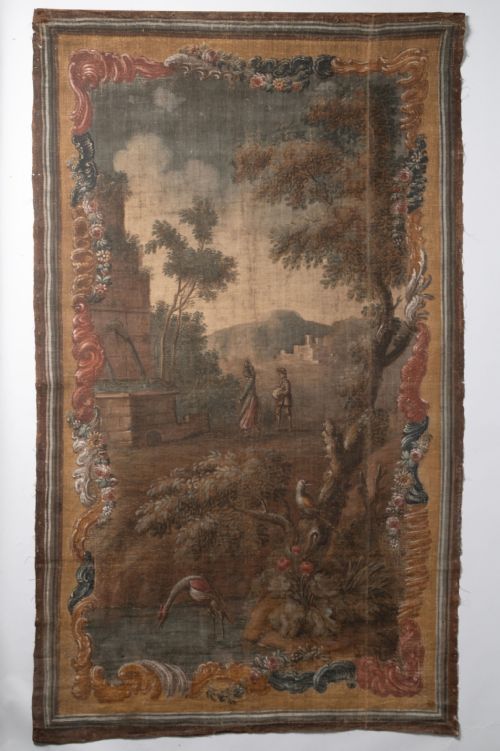
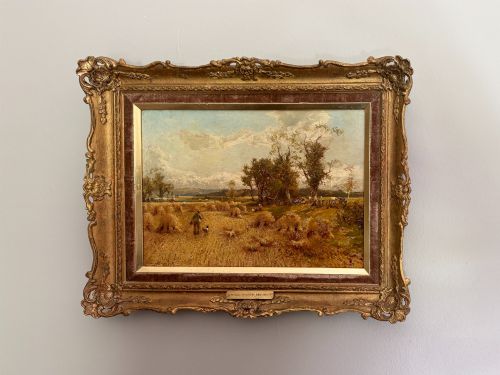
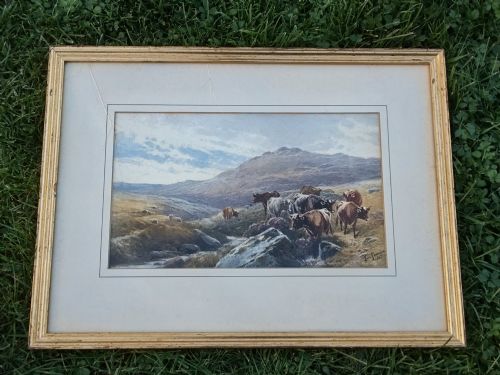
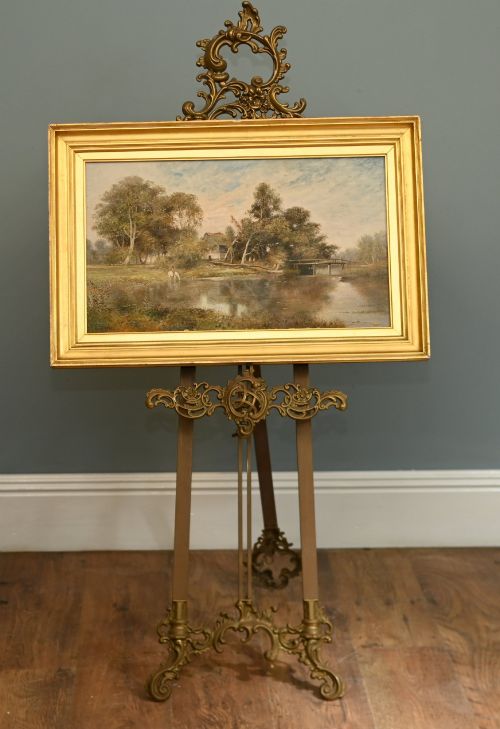
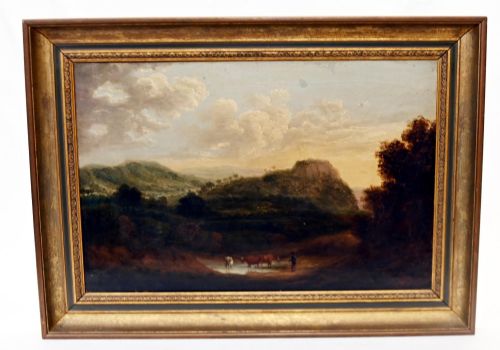
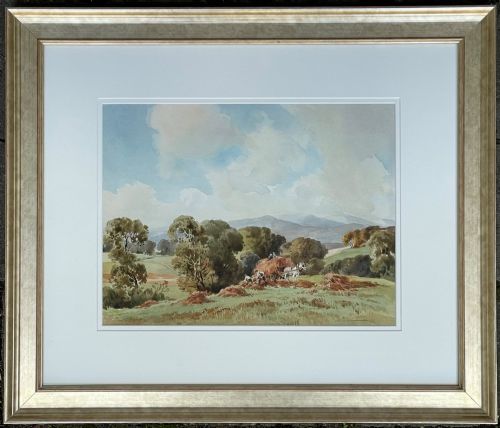
A pastoral landscape scene captures the quiet rhythm of rural life through painted valleys, grazing cattle and traditional farmyards.
Pastoral Landscape Scene
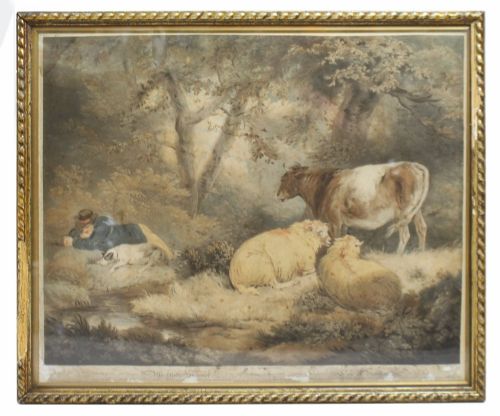
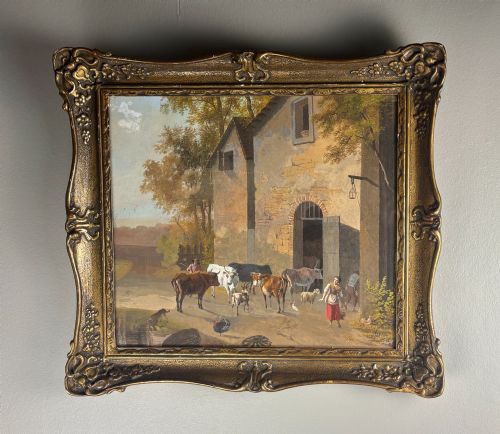
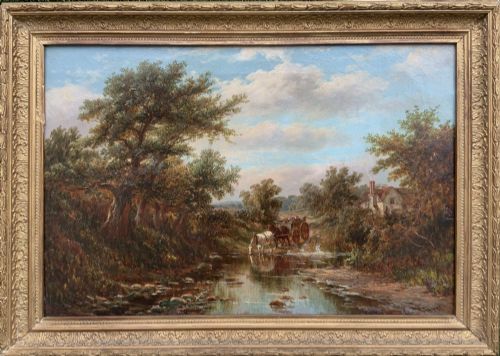
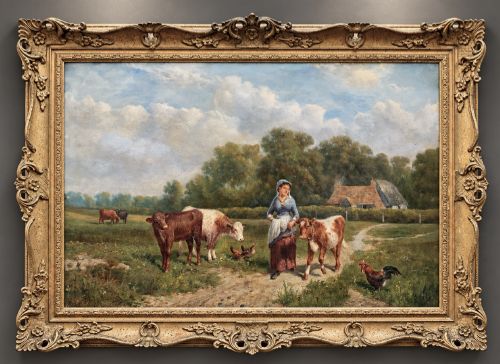
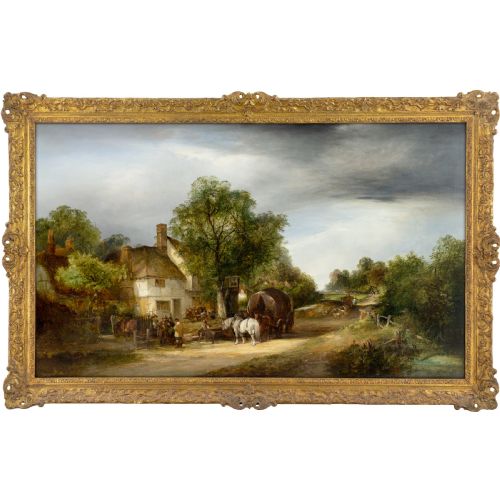
A pastoral landscape scene portrays traditional rural life, featuring working farms, grazing livestock, riverbanks and figures engaged in quiet countryside labour. The most common examples on this page are nineteenth-century oil paintings and watercolours depicting cattle, sheep and agricultural workers in British and European settings.
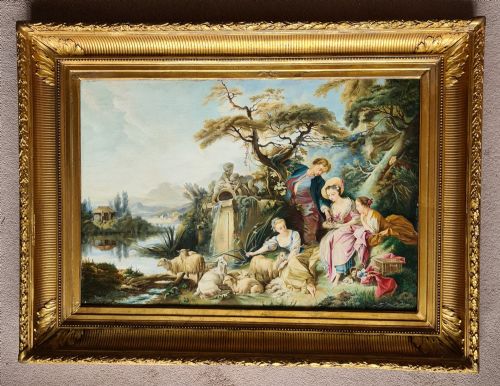
These works bridge several historical movements, encompassing Victorian pastoral realism, Edwardian watercolours and earlier continental influences from Dutch and French schools. Painters focused on the harmonious relationship between rural workers, animals and their natural surroundings.
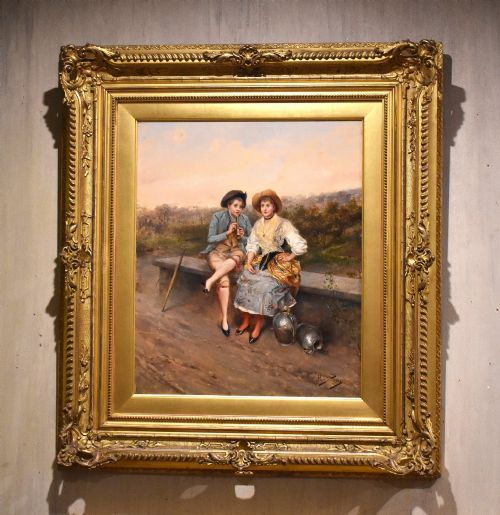
The subjects range from intimate woodland watercolours to large oil compositions on canvas or wood panels. Buyers encounter depictions of milkmaids, shepherds resting with flocks and fishermen working beside rivers.
Materials and methods of production
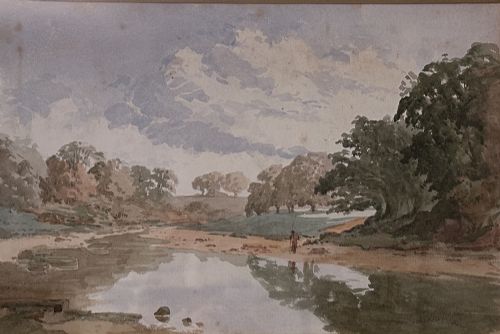
Artists painted primarily with oil on canvas or wooden boards, utilising gesso grounds to prepare the rigid surfaces for rich pigment application. Watercolours on paper also form a significant portion of the works, often heightened with gum arabic to capture the luminous quality of river valleys and skies.
Frames incorporated carved gilt ornamentation to complement the traditional subjects. Support materials varied from woven canvas stretched over wooden frames to solid wood panels suited for detailed Flemish-style compositions.
Pastoral Landscape Scene Retail Price Guide 2026
Typical asking prices for pastoral landscape scene among the pieces listed under this phrase on Sellingantiques today, from the lower quarter to the upper quarter. They describe what is for sale here now, not the wider market.
Several sheep and cattle appear to have spent centuries posing patiently beside picturesque rivers.
Quality factors in rural painting
The distinction between standard works and finer pieces rests in the handling of natural light and the anatomical accuracy of figures and livestock. Superior painters rendered cattle, sheep and human forms with anatomical conviction and subtle tonal shifts in the foliage and sky.
Compositional balance and the preservation of the original pigment layers determine the standing of each piece. Works that retain their original gilt frames and undisturbed brushwork command greater interest from collectors.
Alonso Perez·Thomas Rowden·Samuel Joseph Clark·William Manners·Karel Dujardin·Edward Charles Williams·Eugène Verboeckhoven·David Bates·Thomas Sidney Cooper·Johann Friedrich Voltz
The Pastoral Landscape Scene Glossary
- Oil on Canvas
- Pigment mixed with drying oil applied to a woven fabric support. This combination allowed artists to build rich textures and blend colours across large pastoral compositions.
- Watercolour
- Paint consisting of water-soluble pigments dissolved in water, traditionally applied to paper. It yielded translucent washes well suited to capturing light on rivers and open skies.
- Gesso
- A primer mixture consisting of a binder mixed with chalk, gypsum or pigment. Painters applied this substance to wooden boards and canvases to create a smooth, stable surface.
- Barbizon School
- A nineteenth-century French movement focused on unidealised rural scenes painted directly from nature. These artists influenced subsequent generations of landscape painters across Europe.
- Wood Panel
- A rigid flat support made from timber used by painters as an alternative to canvas. Panels often yield tighter brushwork and fine detail in early European works.
Pastoral Landscape Scene: Frequently Asked Questions
What subjects appear in these scenes?
These works depict rural subjects including grazing cattle, sheep being driven to market, farmyards and figures fishing along riverbanks. Artists concentrated on everyday agricultural life in the countryside.
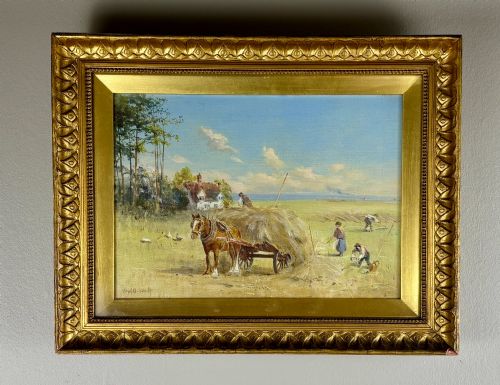
Scenes frequently incorporate traditional elements such as country inns, woodland clearings, castle ruins and workers harvesting hay or tending livestock.
How do I date a painted landscape?
Dating relies on examining the artist's recorded working dates, the style of the clothing worn by figures and the framing techniques used. Nineteenth-century works often bear signatures, dates or exhibition labels on the reverse.
Support materials also offer clues, as wood panels and specific canvas weaves point to particular manufacturing periods and regional schools of painting.
Where were these paintings produced?
The works originate from British and European art traditions, including English, Scottish and Flemish regional schools. Artists often worked plein air in specific rural locations such as the Thames Valley or Berkshire.
Continental influences from French and Dutch masters also shaped the composition and tonal palette of many nineteenth-century examples on display.
How should I care for an oil painting?
Oil paintings require stable indoor humidity and protection from direct sunlight to prevent the canvas from sagging and the pigments from fading. Dust should be removed gently from the surface with a soft, dry brush.
Works on wood panels are particularly sensitive to rapid temperature fluctuations, which can cause the underlying timber to warp or split.