
Park Bench Seat
A park bench seat brings enduring form and utility to gardens, offering a solid resting place shaped by nineteenth and twentieth century hands.
Park Bench Seat
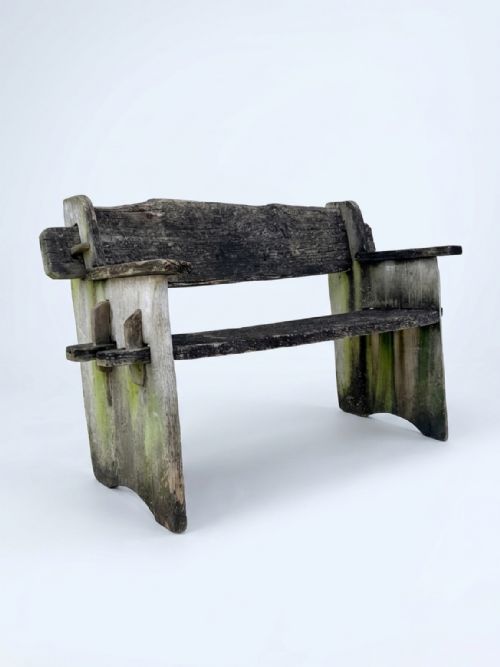
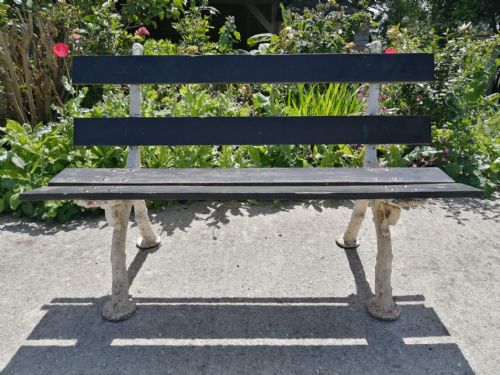
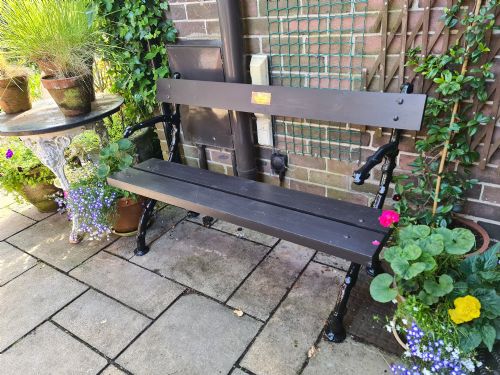
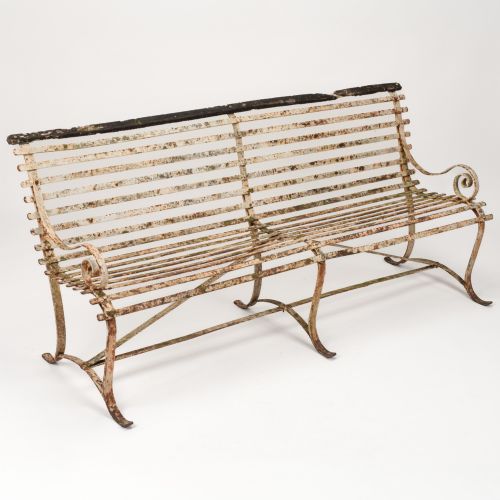
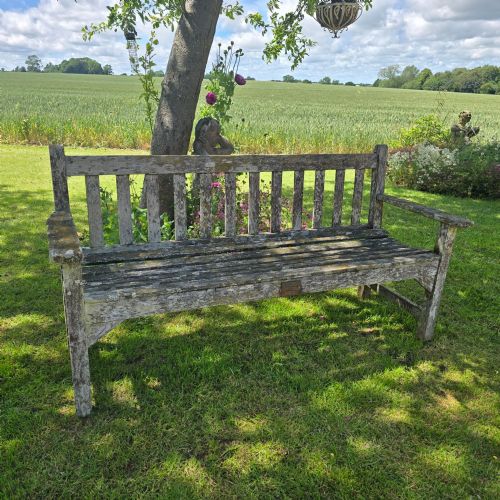
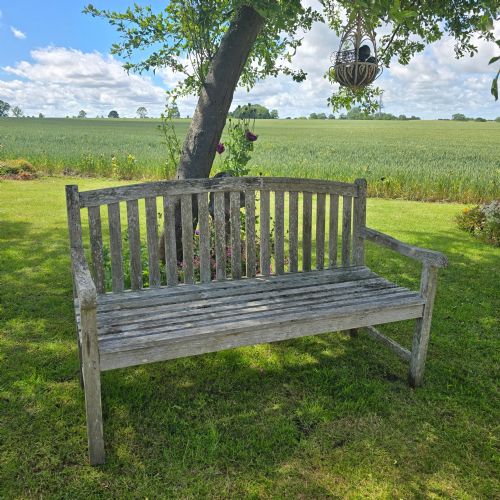
A park bench seat is a substantial garden furniture piece designed for outdoor sitting, appearing in forms from simple wooden slats to elaborate metal frames. When you search for a park bench seat, you encounter garden benches, garden seats, garden armchairs, and bench ends spanning the nineteenth century through the 1930s.
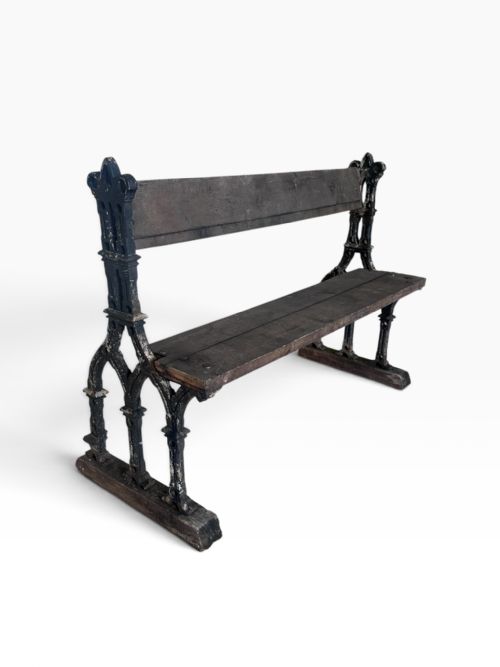
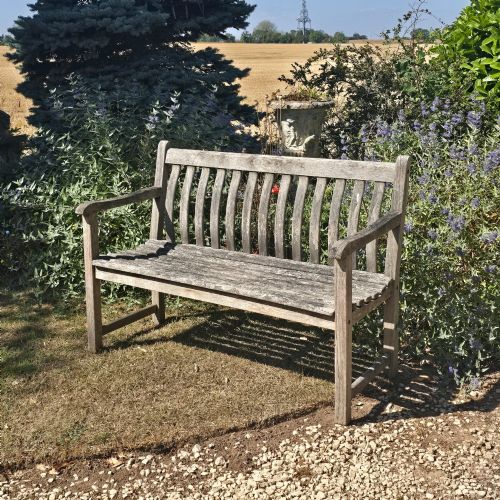
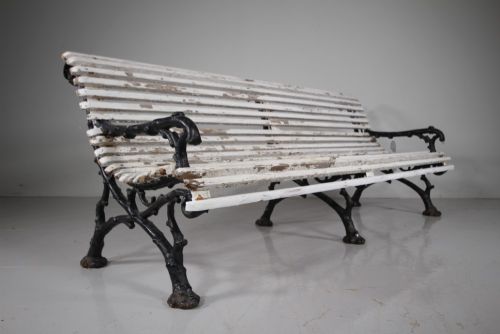
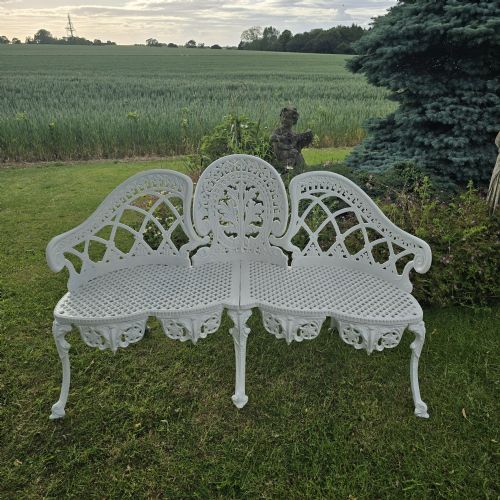
The varieties on this page range from Victorian gothic designs and Regency strapwork to French country faux bois and weathered teak timbers. Examples include two-seater configurations, four-seater seats, and paired garden benches originating from English and French makers.
Makers and designers of the period utilised robust timber slats and heavy metal structures to withstand outdoor elements. These pieces function today as both practical seating and architectural statements in courtyards, lawns, and terraces.
How they were made
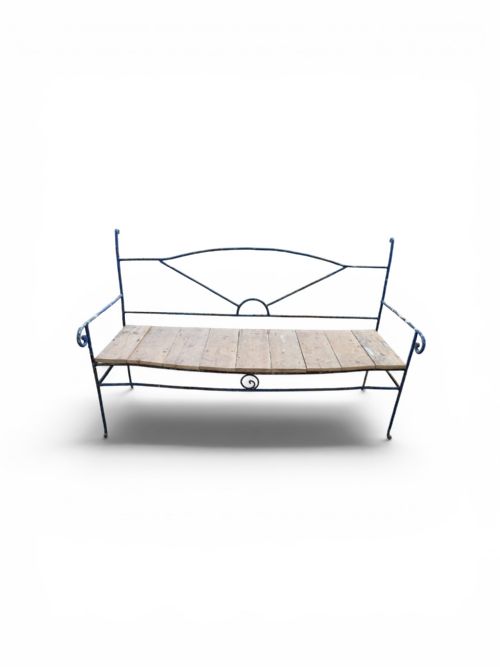
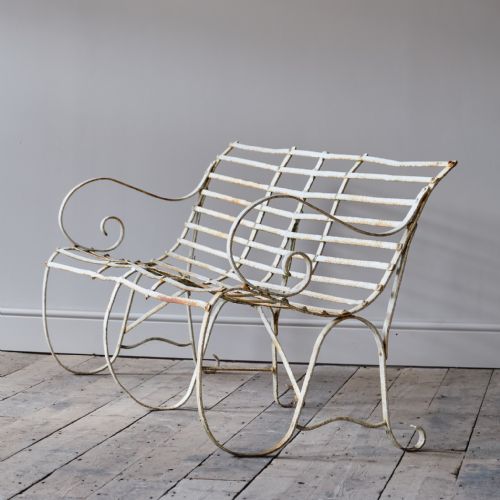
Construction relies heavily on durable materials like cast iron, wrought iron, teak, elm, and timber, often finished with layers of original paint. Metal components are cast or forged into decorative strapwork, scroll motifs, and gothic patterns.
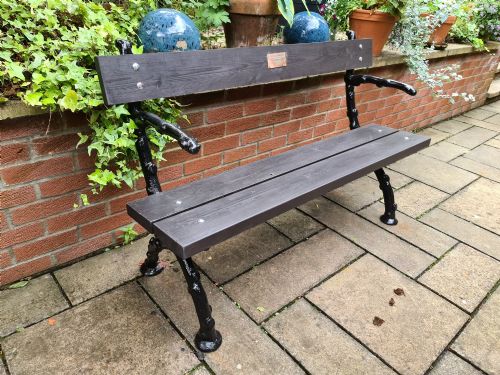
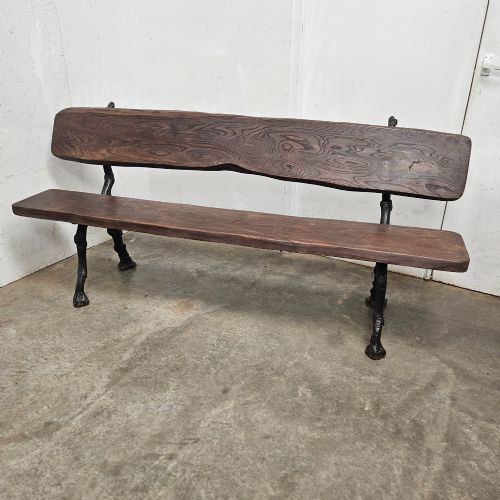
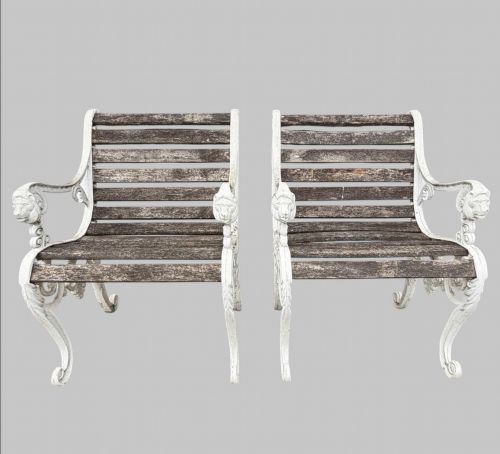
Wooden elements utilise seasoned teak and elm planks secured to metal or iron frames, weathering over decades to a silvered tone. Artisans combined cast iron bench ends with wooden slats to create balanced seats capable of enduring exterior conditions.
Listings feature materials including cast iron, wrought iron, teak, elm, and paint across nineteenth and twentieth-century periods.
What varies in quality
Quality rests in the crispness of the iron casting, the complexity of strapwork or faux bois detailing, and the integrity of the timber. Finer examples display intricate patterns such as lion masks or gothic tracery cast with sharp definition.
The retention of original paint layers and the natural weathering of teak or elm timber add depth to superior pieces. Structural balance between heavy metal supports and wooden slats distinguishes masterwork benches from standard utility seating.
Coalbrookdale·Val D'osne
The Park Bench Seat Glossary
- Strapwork
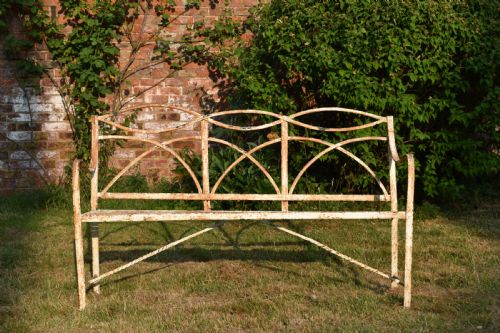
- Flat metal bands interlaced in geometric or strap-like patterns. This technique appears frequently on Regency and Victorian iron garden seats.
- Faux bois
- Imitation wood grain rendered in cast iron or concrete. French country and Victorian examples utilise this style to mimic natural timber branches.
- Bench ends
- The structural side supports of a garden seat, often cast in iron with decorative motifs. Collectors frequently find these surviving independently as pairs.
- Gothic design
- An architectural style featuring pointed arches and ornate tracery. Victorian pieces often adopt this aesthetic for dramatic garden seating.
Park Bench Seat: Frequently Asked Questions
What is a park bench seat?
A park bench seat is a sturdy outdoor bench designed for gardens, parks, and patios, combining wooden slats with metal or cast iron frames.
These pieces range from nineteenth-century Victorian gothic creations to twentieth-century teak designs, built to withstand outdoor weathering.
How do I care for a teak bench?
Teak garden seats require minimal maintenance because the natural oils protect the timber from moisture and decay.
Allowing the wood to weather naturally produces a silvered finish over time without needing protective sealants.
Where were these benches used?
Historically, these garden seats furnished public parks, private country estates, and domestic lawns across England and France.
Today, they transition easily into modern gardens, courtyards, and terraces as functional outdoor seating.
How do I identify a Victorian bench?
Victorian benches typically feature heavy cast iron frames decorated with gothic tracery, strapwork, or faux bois branch patterns.
Examining the construction reveals period manufacturing techniques, such as bolted iron joints and substantial timber planks.