


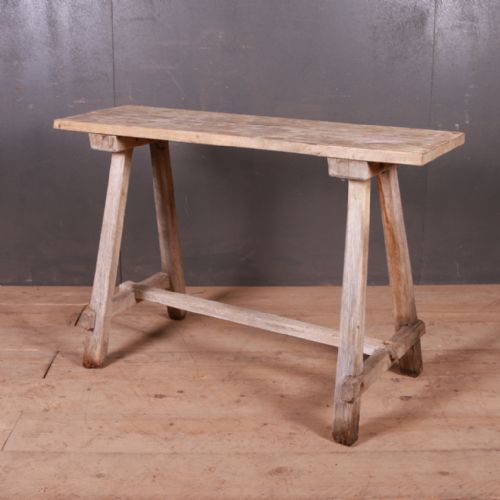
Weathered Timber Bench
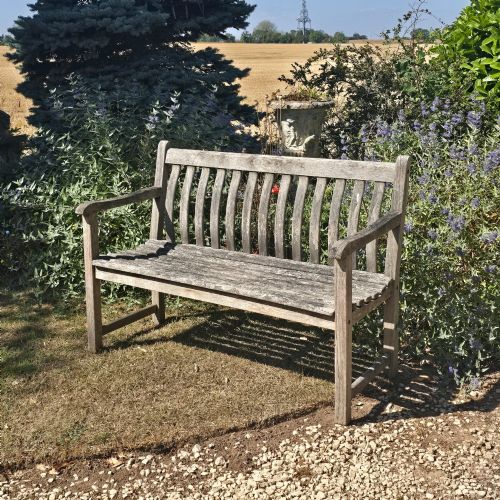
A weathered timber bench brings decades of outdoor exposure and quiet utility directly into a garden or hallway.
Weathered Timber Bench
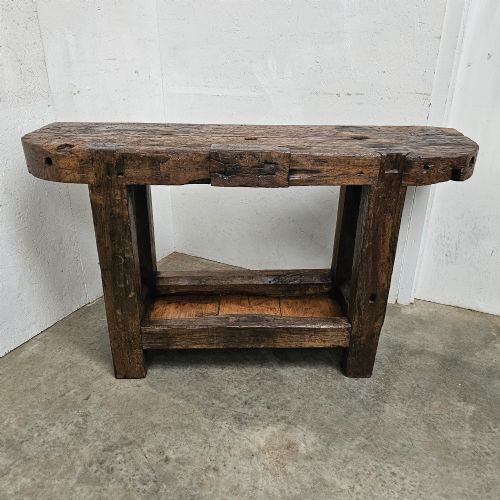
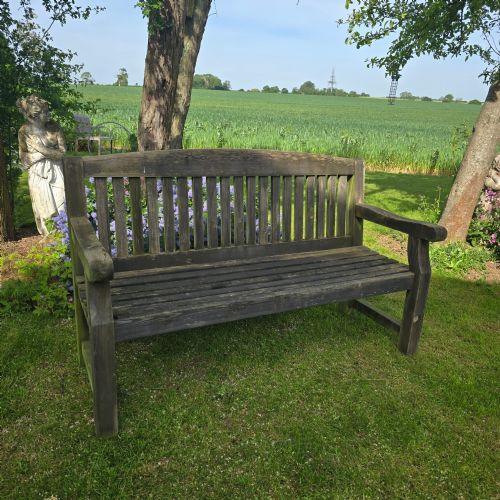
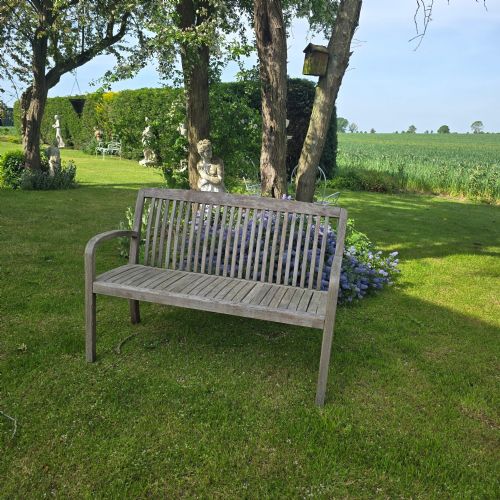
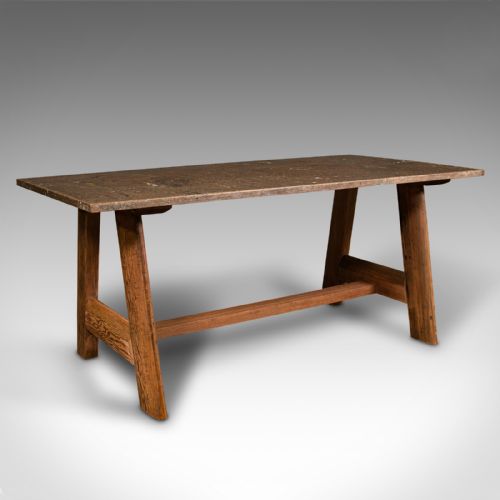
A weathered timber bench is a practical seat or low platform shaped by age, exposure, and heavy daily use. When you search for a weathered timber bench, you encounter sturdy garden seats alongside repurposed worktables, stools, and low tables.
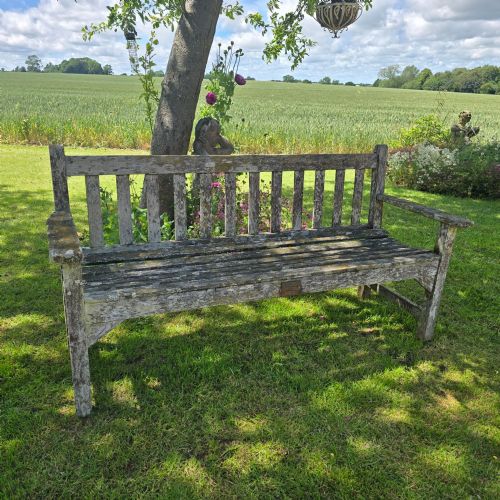
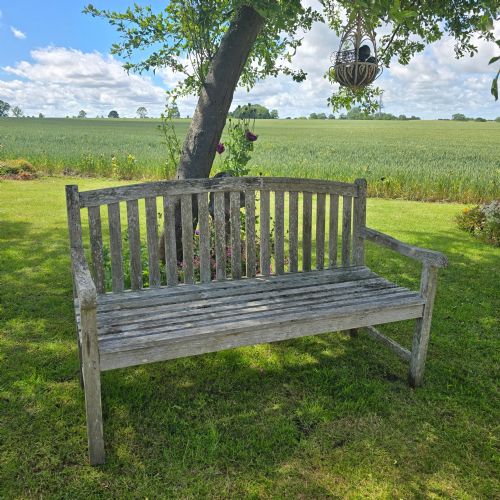
Most examples found here date from the nineteenth century up through the nineteen-thirties, spanning Edwardian town gardens and French farmhouses. Garden benches and country work surfaces dominate the selection, showing the heavy utility of their origins.
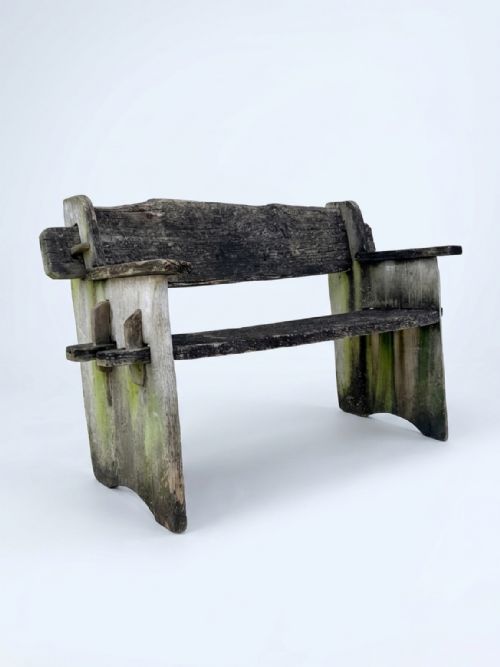
The forms range from traditional slatted garden seating to primitive elm benches and low stools created for specific trades. Each piece carries the distinct structural marks of its working past.
Materials and construction
Teak and oak provide the structural backbone for the garden benches, while elm and pine form the basis of the older French and English country utility pieces. These timbers were selected for their natural density and strength under demanding conditions.
Makers utilised traditional joinery, pegging, and scratch-built framing to ensure stability without modern adhesives. The surfaces bear the literal scars of labour, paint remnants, and natural seasoning from decades in the open air.
One listed pine pig scratch from eighteen-ninety reminds us that utilitarian country furniture often served the livestock before it ever served the household.
Assessing quality and character
Quality in a weathered timber bench lies in the depth of the silvered patina and the integrity of the underlying frame. Sunlight and rain create a tactile, silvered surface on teak that lesser woods cannot replicate in the same tone.
Structural honesty separates everyday utility timber from superior examples of country craftsmanship. Original proportions, untouched timber surfaces, and uncompromised joints define the better pieces in this selection.
The Weathered Timber Bench Glossary
- Patina
- The surface sheen and colour achieved through decades of handling, weathering, and wax or oil application. It serves as the primary visual indicator of age on older timber.
- Primitive
- A descriptive term for furniture made by local tradesmen or rural carpenters without the refinements of city workshops. These pieces prioritize simple utility over stylistic ornament.
- Silvered teak
- Teak timber that has turned a silvery-grey hue due to prolonged exposure to sun and rain. This coloration protects the underlying wood from further degradation.
- Worktable
- A heavy-topped wooden table utilised historically by artisans, cobblers, or carpenters for manual tasks. Their sturdy construction often makes them suitable for contemporary domestic use.
- Trestle table
- A table comprising two or more support frames connected by a horizontal beam holding a long top. This design allows for maximum legroom and stability.
Weathered Timber Bench: Frequently Asked Questions
Can I leave my weathered timber bench outside all year?
Hardwood benches built from teak or oak tolerate permanent outdoor placement remarkably well. Their natural oils resist moisture and frost without requiring immediate chemical treatment.
However, storing them under cover during the harshest winter months helps preserve structural joints and prevents excessive movement in the timber.
How do I clean a weathered timber bench without ruining the patina?
A soft brush and warm water remove surface dirt and organic matter effectively. Avoid harsh chemical cleaners or pressure washers that strip away the aged silvered surface.
Allowing the wood to dry naturally preserves the historical appearance built up over generations of exposure.
What is the difference between a garden bench and a work bench?
Garden benches feature slatted seats designed for sitting comfort and water drainage during wet weather. Their frames balance ergonomics with structural support.
Work benches offer solid, thick tops intended for heavy manual tasks, often featuring vises, tool wells, or paint splatters from their working lives.
How do I date an antique timber bench?
Examine the tool marks, joinery methods, and hardware used in the assembly. Hand-sawn boards and pegged joints usually point toward nineteenth-century rural production.
Factory-produced slats and standardised bolt fixings generally indicate later Edwardian or twentieth-century manufacture.