



Parcels Gilt Frame
These parcels gilt frame pieces combine wood and gold leaf highlights to bring historic elegance into a room.
Parcels Gilt Frame
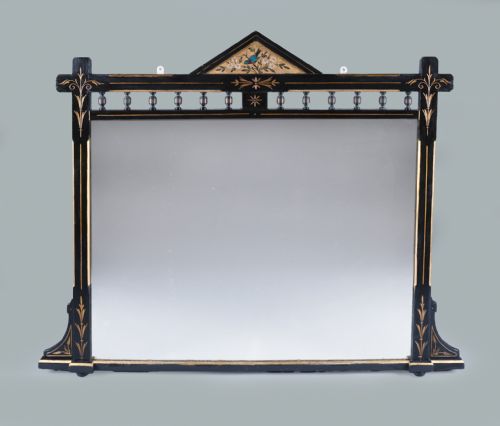
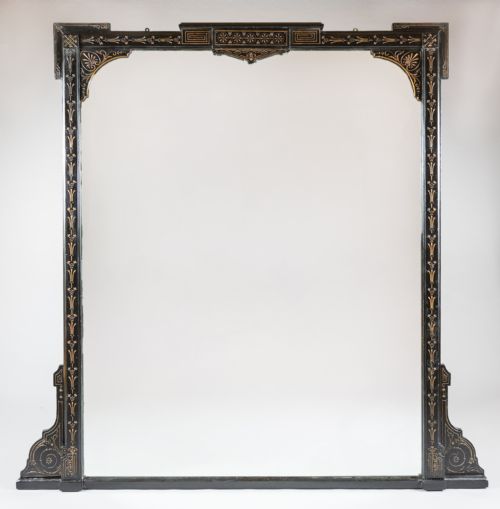
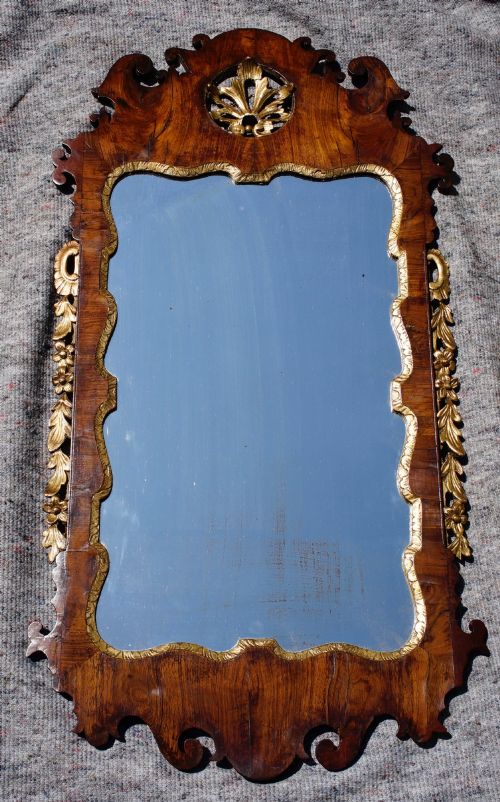
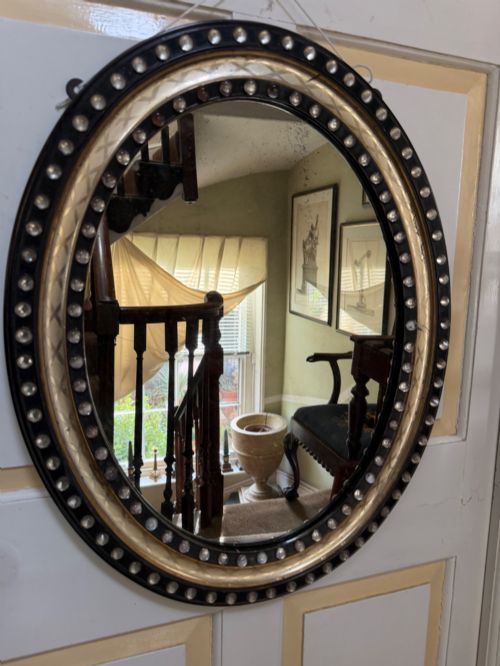
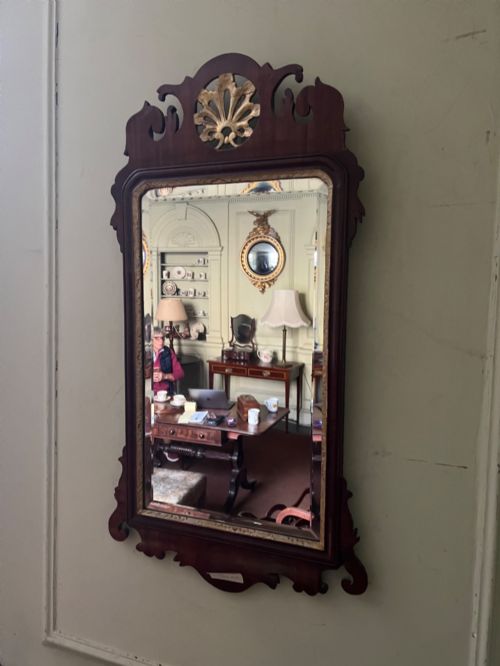
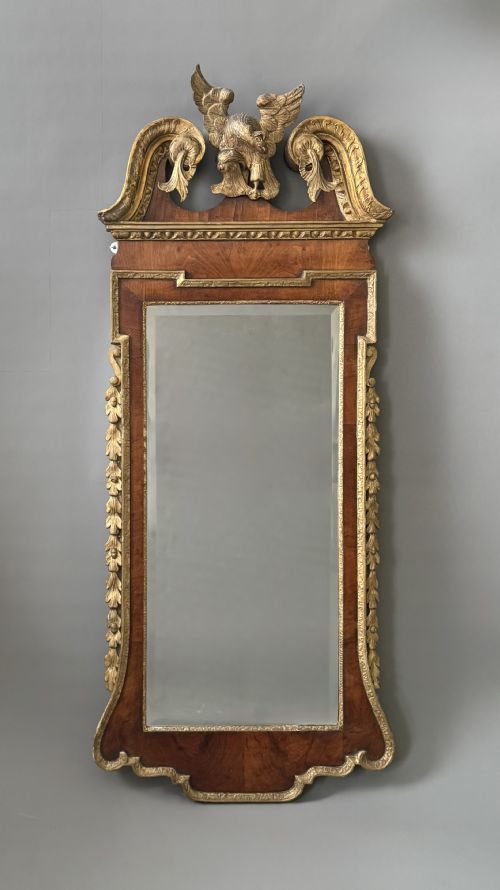
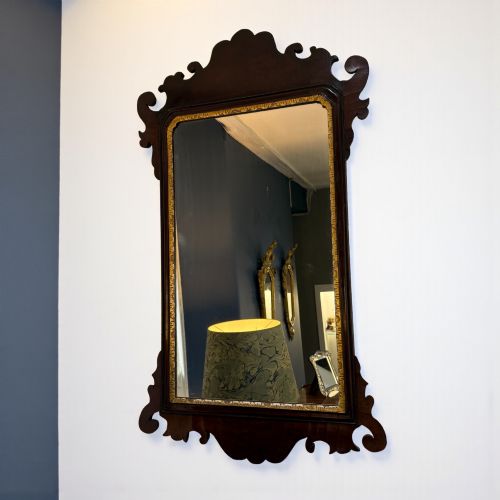
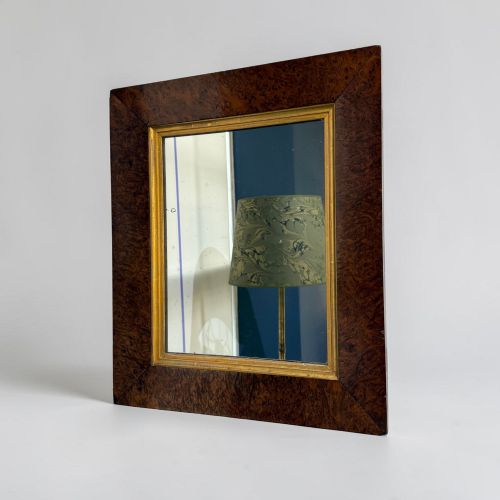
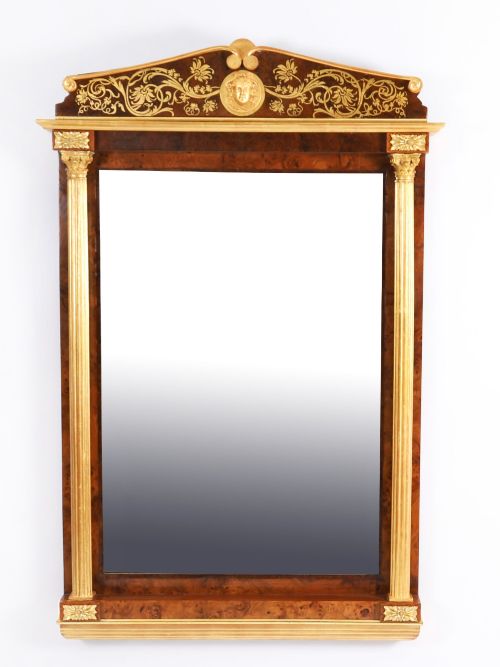
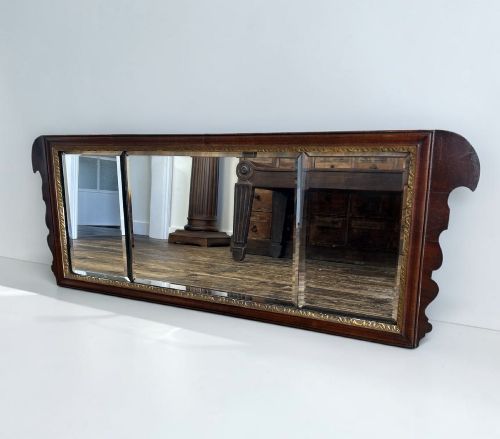
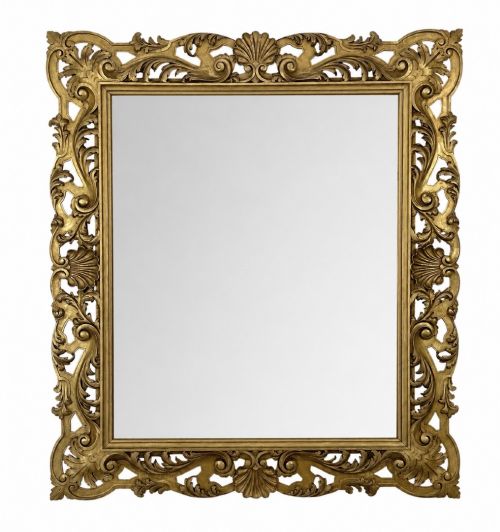
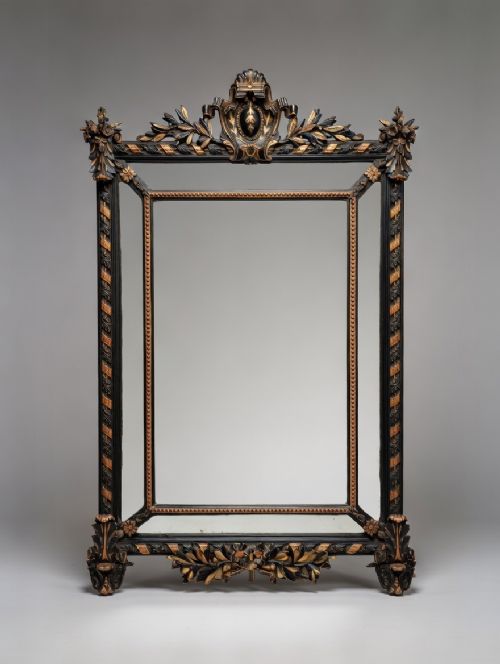
A parcels gilt frame brings together rich timbers such as mahogany and walnut with selective applications of gold leaf or gilt highlights, creating a striking contrast between natural grain and metallic brilliance. When you search for parcels gilt frame pieces on this page, you encounter wall mirrors, overmantel mirrors, dining chairs, and footstools that span from the Georgian and 18th century periods through to the Victorian era and the early 20th century.
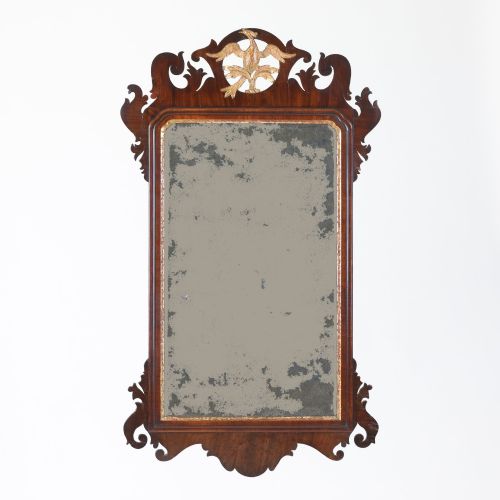
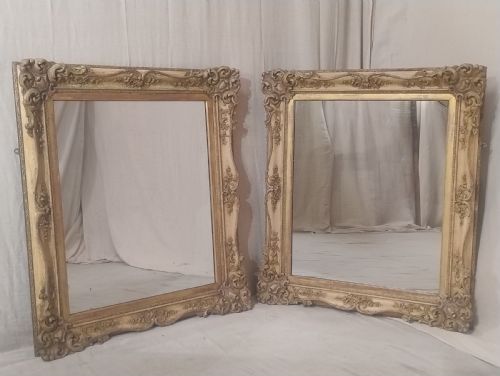
The most common forms on this page are wall mirrors and large overmantel mirrors, often styled with fretwork, ebonised surfaces, or carved architectural details. Pieces range from straightforward Georgian fret-cut designs to elaborate French Rococo Revival and Victorian Neoclassical interpretations.
Beyond mirrors, the selection includes dining chairs and footstools employing similar walnut and parcel-gilt treatments in historic English and continental European tastes.
How they were made
Craftsmen built these frames using solid woods like mahogany, walnut, and oak, frequently applying a layer of gesso to carved wooden ornaments before applying gold leaf by hand. This combination allowed makers to achieve sharp relief details that held the metallic leaf securely.
Surface treatments often paired ebonised or painted sections with exposed wood grain and parcels gilt highlights, creating depth through contrasting textures. Original glass plates, where present, reflect the early manufacturing methods of mirror production.
Parcels Gilt Frame Retail Price Guide 2026
Typical asking prices for parcels gilt frame among the pieces listed under this phrase on Sellingantiques today, from the lower quarter to the upper quarter. They describe what is for sale here now, not the wider market.
Keep an eye out for carved ho-ho birds keeping watch from the top of Georgian fret mirrors.
What varies in quality
Quality rests in the crispness of the carved detail and the proportion of the frame, particularly in fretwork and architectural mouldings where hand-chiselling defines the silhouette. Finer examples display precise joinery and balanced grain patterns in the walnut or mahogany veneers.
The application of the gold leaf and the preservation of original surfaces also separate standard items from superior pieces. Coarser examples may show heavier, less refined gesso work, whereas better items retain crisp definition in their parcel-gilt highlights.
Miles and Edwards·William Kent·Daniel Marot
The Parcels Gilt Frame Glossary
- Parcel Gilt
- A method of decorating an object where only specific raised portions or details are gilded with gold leaf, leaving the rest of the surface in wood, paint, or ebonisation.
- Gesso
- A plaster-like mixture applied to wood surfaces as a smooth base for carving and gilding.
- Fretwork
- Openwork ornamentation carved or cut in geometric or scroll patterns, commonly seen on Georgian mirror frames.
- Trumeau
- A decorative wall mirror or panel often integrated into wood-panelled interior architecture, frequently seen in 19th-century French examples.
- Overmantel Mirror
- A large mirror designed specifically to hang above a fireplace mantelpiece.
Parcels Gilt Frame: Frequently Asked Questions
What is a parcels gilt frame?
A parcels gilt frame is a wooden object decorated so that only specific portions, such as carved motifs or raised mouldings, receive a layer of gold leaf while the remaining surface shows natural wood, paint, or ebonisation.
This technique highlights the architectural details and creates a distinct contrast against the darker timber.
How do I date a parcels gilt mirror?
Dating relies on observing the timber species, such as walnut in earlier Georgian pieces or mahogany and oak in later works, alongside stylistic cues like fretwork or ebonised Victorian finishes.
Construction methods and the nature of the glass plate also help establish the period of manufacture.
Where should I hang an overmantel mirror?
Overmantel mirrors are traditionally placed directly above a fireplace to reflect light and anchor the room's main decorative focus.
Their scale and proportions make them suitable as substantial wall centerpieces in principal rooms.
Are these pieces made from solid wood?
Most pieces utilise solid timbers like mahogany, walnut, or oak for their structural framework and carved elements.
Some examples also incorporate fine veneers applied to secondary woods to achieve decorative grain patterns.