



Paraffin Lamp Converted
These paraffin lamp converted pieces are period lighting fixtures adapted for electricity, bringing nineteenth-century warmth into modern rooms.
Paraffin Lamp Converted
When you search for paraffin lamp converted, you are looking at nineteenth-century and early twentieth-century lighting fixtures that have been updated to run on electricity. These pieces began their lives burning kerosene or oil before receiving modern wiring for contemporary homes.
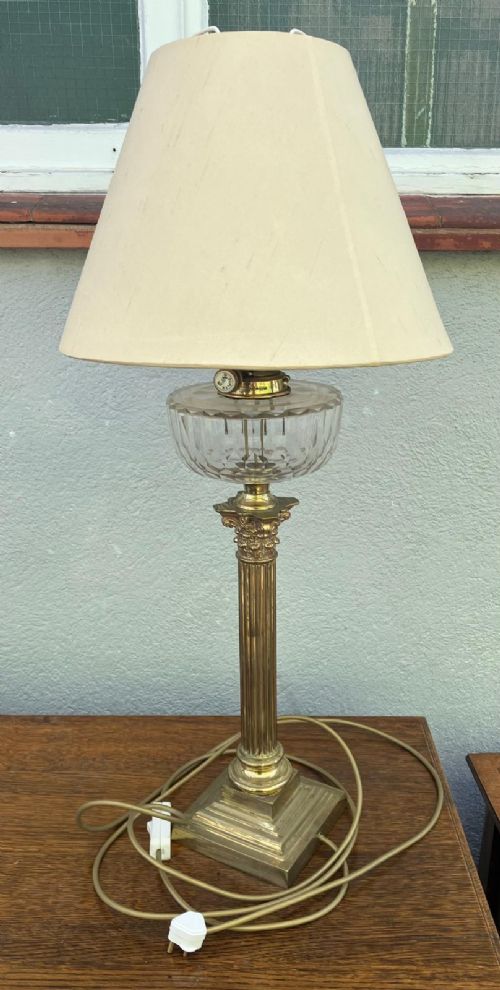
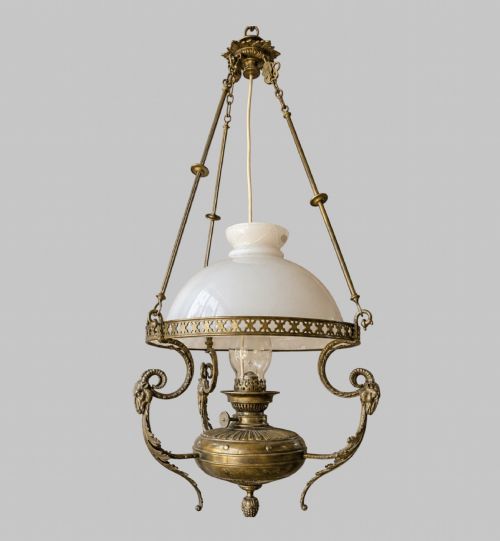
You will most commonly meet table lamps on this page, alongside wall sconces and ceiling lights. The selection spans the Victorian and Edwardian eras, featuring classic column forms as well as decorative styles from the period.
Origins vary from English workshops to nineteenth-century French makers. The forms include simple utilitarian designs alongside ornate decorative pieces featuring figural and enamelled details.
How they were made
The construction relies heavily on cast and repoussé brass, often paired with hand-blown glass, opaline glass, or porcelain reservoirs and shades. Metalworkers utilised techniques like chasing and gilding to create rich surface textures on brass, bronze, and copper bases.
Burner assemblies such as the Hinks mechanism were originally engineered to control the flame safely. During conversion, these metal mounts and burners are carefully adapted to house electrical fittings while retaining their original exterior appearance.
Paraffin Lamp Converted Retail Price Guide 2026
Typical asking prices for paraffin lamp converted among the pieces listed under this phrase on Sellingantiques today, from the lower quarter to the upper quarter. They describe what is for sale here now, not the wider market.
A nineteenth-century brass cherub orchestra is ready to serenade your sideboard.
What varies in quality
Quality rests on the weight of the metal casting and the crispness of decorative details like Corinthian capitals or repoussé work. Heavier gauge brass and finely detailed porcelain or opaline glass reservoirs indicate superior initial manufacture.
The standard of conversion work also dictates the overall merit of the piece. A high-grade conversion integrates the electrical components sympathetically without damaging or discarding the historic burner and collar assembly.
The Paraffin Lamp Converted Glossary
- Burner
- The metal mechanism at the top of the oil reservoir that regulated the wick and flame. In converted examples, this part is often drilled or hollowed to accommodate modern wiring.
- Opaline glass
- A semi-opaque, pale glass popular in the nineteenth century for shades and reservoirs. It diffuses light softly and comes in various pastel shades.
- Repoussé
- A metalworking technique where the design is hammered into relief from the reverse side. This creates tactile, three-dimensional patterns on brass and copper lamp bodies.
- Tilley lamp
- A specific type of pressure paraffin lamp originating in the twentieth century. These industrial-looking pieces offer a different aesthetic compared to domestic Victorian table lamps.
Paraffin Lamp Converted: Frequently Asked Questions
How do I wire a converted lamp?
Most converted lamps are already fitted with modern wiring by the dealer or restorer. You simply plug them into a standard wall socket.
If you need to replace a cord or plug, consult a qualified electrician to ensure the vintage metal body is safely earthed.
Can I revert the lamp back to oil?
Reverting a converted lamp to oil is usually impractical because the original burners and internal channels are often altered or removed during the electrical conversion.
Most buyers prefer the convenience and safety of electricity for daily home use anyway.
How do I clean brass lamp bases?
Dust brass components gently with a dry microfibre cloth to maintain the aged patina. Avoid harsh chemical polishes that strip away the historic character.
Take care around delicate glass or porcelain sections while cleaning.
What bulb should I use?
Use low-wattage LED bulbs that emit a warm, soft glow suited to historic interiors. High-wattage bulbs generate excessive heat which can damage fragile antique glass shades or old wiring.
Choose Edison-style filament bulbs to complement the period aesthetic.