




Paper Wood Engraving
Paper wood engraving brings together period cartography, botanical studies and portraiture captured through ink on paper and framed in wood.
Paper Wood Engraving
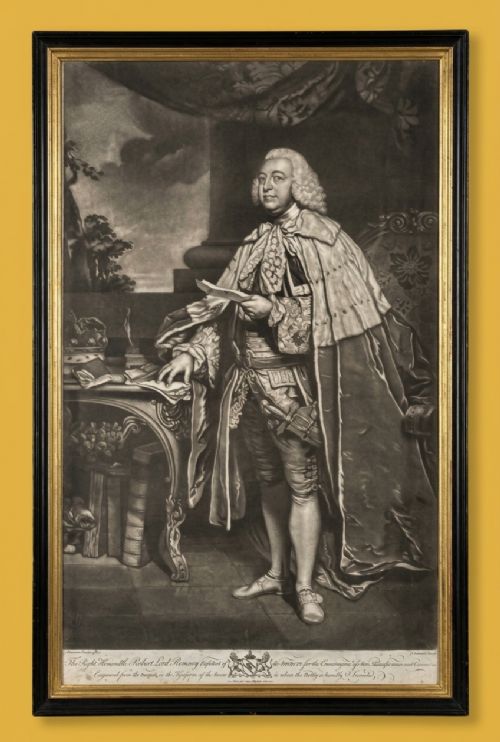
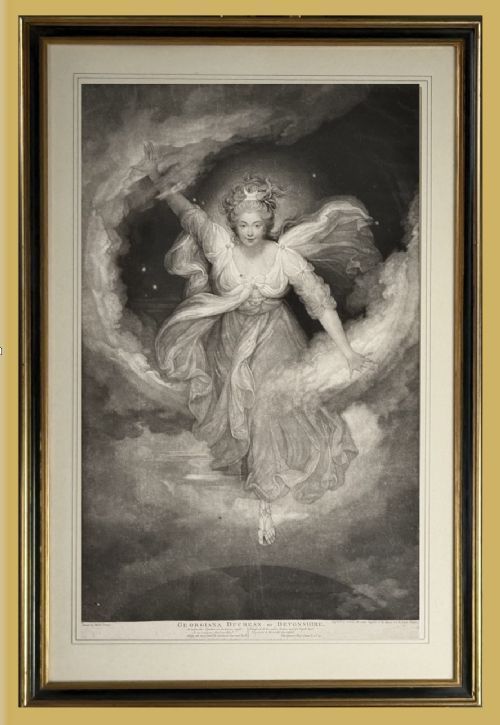
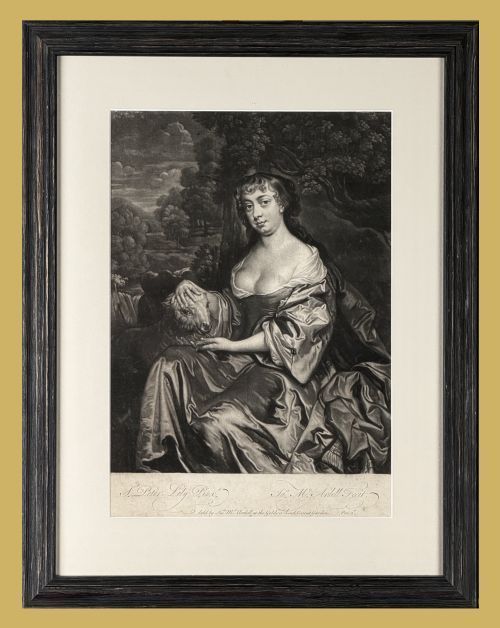
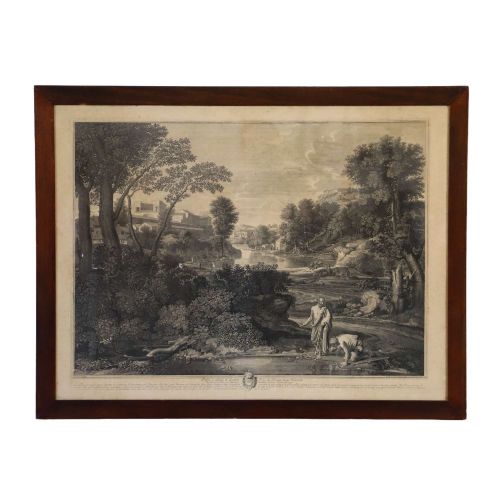
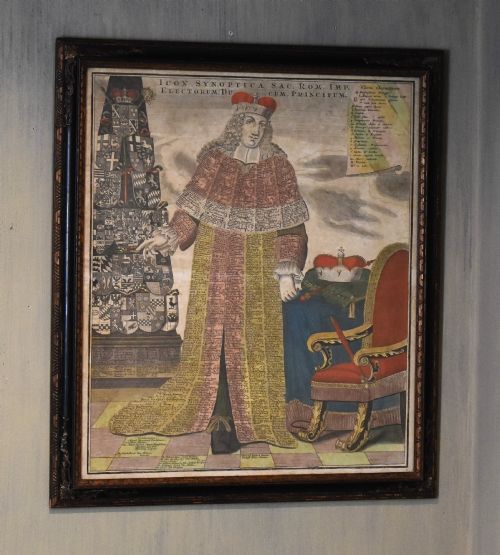
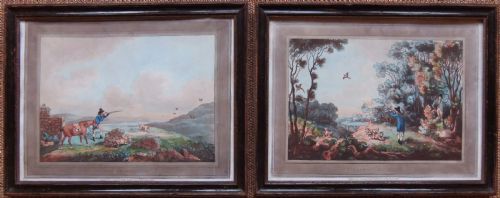
When you search for paper wood engraving, you encounter framed prints, maps and wall art spanning the seventeenth, eighteenth and nineteenth centuries. These pieces encompass detailed cartography, architectural plates, botanical studies with insects and plants, and portraiture.
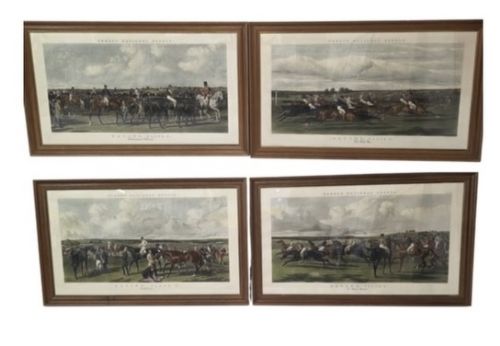
The selection on this page ranges from Georgian and Regency county maps to Victorian horse racing prints and ornithological studies. Buyers acquire these works for their historic documentation, decorative framing and connection to past centuries of printmaking.
Framed maps and architectural engravings dominate the material available, alongside sets of botanical plates and historical portraits. Each piece retains its original character through period framing and historic paper stocks.
Materials and construction
The primary elements combine paper sheets with ink, occasionally enhanced with watercolour or hand tinting. Wood provides the structure for the surrounding frames, frequently paired with glass to protect the delicate paper surface.
Printmakers utilised engraving and mezzotint techniques on paper plates, applying ink by hand before transferring the image. Artisans then mounted these prints within timber frames, sometimes incorporating gilt or gold leaf detailing.
Paper Wood Engraving Retail Price Guide 2026
Typical asking prices for paper wood engraving among the pieces listed under this phrase on Sellingantiques today, from the lower quarter to the upper quarter. They describe what is for sale here now, not the wider market.
Listings feature paper works from the seventeenth, eighteenth and nineteenth centuries, spanning Georgian, Victorian and Regency styles.
Assessing quality and preservation
Quality rests upon the clarity of the ink impression and the preservation of the paper substrate. Fine examples maintain sharp plate marks and crisp lines without excessive fading or staining.
The integrity of the original frame and the presence of hand-applied watercolour or tinting influence the desirability of a piece. Retaining the original timber housing alongside the uncompromised paper artwork distinguishes superior examples.
John Speed·Joan Blaeu·Janssonius·Robert Morden·John Curtis·Colton
The Paper Wood Engraving Glossary
- Engraving
- A printmaking technique where an artist cuts an image into a plate, usually metal or wood, to hold ink. This method produces fine, precise lines characteristic of period maps and botanical plates.
- Mezzotint
- A printmaking process that achieves tonal variations through roughened plate surfaces rather than lines. Portrait prints from the eighteenth century frequently utilise this method.
- Cartography
- The study and practice of making maps. Period examples document historical borders and topography on paper.
- Stipple engraving
- A method of creating prints using dots rather than continuous lines to build soft tonal shades. This technique often appears in eighteenth-century figurative works and sporting scenes.
Paper Wood Engraving: Frequently Asked Questions
How do I hang framed prints safely?
Support the weight of the timber frame securely using appropriate wall anchors rather than relying solely on lightweight picture hooks. Position the artwork away from direct sunlight and moisture to protect the paper and ink.
Ensure the hanging wire or brackets on the back of the frame connect firmly to the wooden structure. Period frames benefit from stable indoor environments to prevent the wood and paper from reacting to humidity changes.
How are antique maps dated?
Cartographic pieces often contain cartouches, publisher names or geographical boundary markers that reference specific historical periods. Comparing the depicted towns and regional names against historical records helps confirm the decade of production.
Paper characteristics, typography styles and plate signatures also offer reliable clues for dating. Engraved maps from the seventeenth and eighteenth centuries display distinct printing traits tied to their specific production eras.
Can I remove prints from their frames?
Removing antique paper from original frames risks damaging both the fragile substrate and the historic housing. The mounting materials often contribute to the preservation and context of the piece.
If reframing becomes necessary, conservation methods should be employed to prevent acid transfer from modern backing boards. Keeping the print within its period frame maintains its historical integrity.
What causes foxing on old paper?
Foxing appears as small brownish spots on historic paper caused by chemical reactions involving iron impurities within the pulp. Environmental moisture and acidity contribute to the formation of these spots over long periods.
While light foxing remains common in eighteenth and nineteenth-century prints, professional conservation can stabilise the paper without stripping its historic character. Proper framing with acid-free backing helps limit further discolouration.