




Paper Watercolour Seascape
A paper watercolour seascape brings the restless energy of the coast and open water directly onto delicate sheets through fluid pigments.
Paper Watercolour Seascape
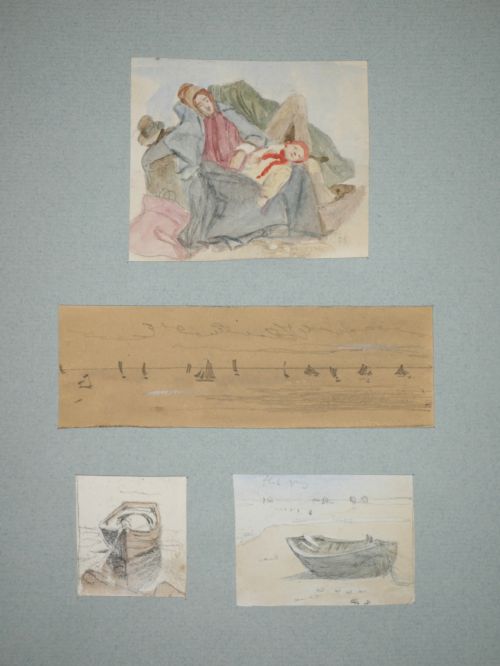
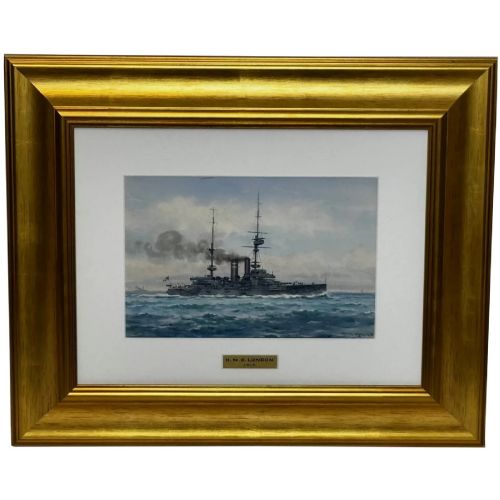
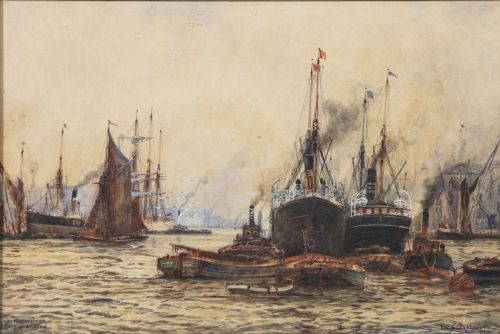
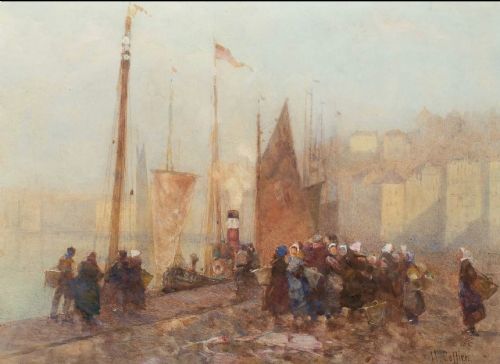
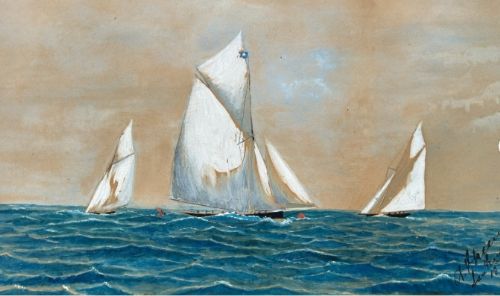
A paper watercolour seascape captures maritime life, harbours and open water across the nineteenth and early twentieth centuries. These works range from small marine sketches to large finished paintings depicting coastal villages, tall ships and bustling ports.
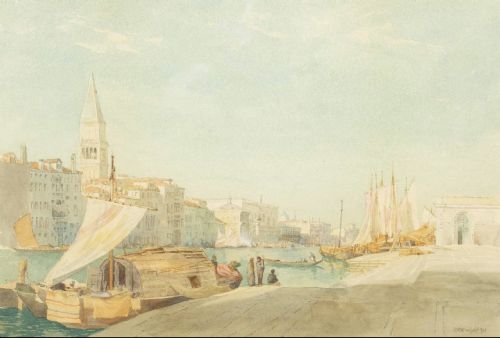
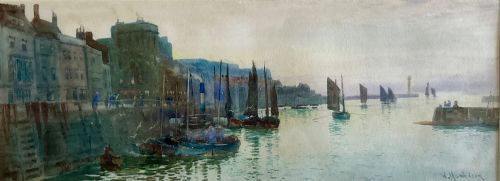
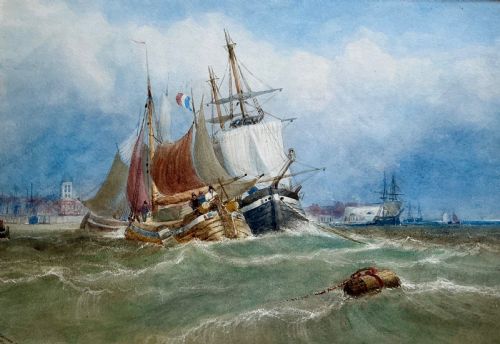
Most pieces on this page originate from British schools spanning the Victorian, Edwardian and early twentieth-century periods. Common subjects include fishing boats off Yorkshire coasts, Venetian canals and Royal Navy vessels navigating choppy waters.
Framed artwork under this heading relies on traditional supports such as paper and card, often preserved behind glass with wooden mouldings. Collectors encounter everything from rapid coastal studies to detailed topographical views signed by named artists.
Materials and Technique
Artists applied watercolour paint and pigment onto paper, occasionally incorporating ink for fine structural detail in rigging and architecture. The fluid nature of water-soluble pigments allowed painters to capture transparent washes of sky and sea in a single session.
Surviving works utilise absorbent paper sheets housed in wooden frames behind protective glass to prevent moisture damage. These materials require stable environmental conditions to preserve the delicate pigment layers from fading over time.
Listings span the nineteenth century through the mid-twentieth century, employing watercolour pigment on paper with wooden frames and glass.
Assessing Quality
Quality rests upon the artist's handling of light, atmosphere and fluid movement within the maritime scene. Masterful brushwork breathes life into choppy waters and skies, whereas weaker examples remain stiff and overly laboured.
Condition plays a vital role in valuation, particularly the retention of original pigment vibrancy and the absence of heavy foxing on the paper. Strong works demonstrate confident spatial depth and precise draughtsmanship in the depiction of shipping.
James Orrock·James Smetham·Frank Watson Wood·Frank William Scarbrough·Hector Caffieri·Richard Henry Wright·William Matthison·Henry Barlow Carter·William Frederick Settle·Paul Delvaux·Thomas Bush Hardy·Sir Thomas Newenham Dean·Robert Leslie Howey·John McDougal·Frank H Mason·Frederick William Hattersley·John Mitchell·Samuel Owen·Frederick William Booty·Kate E Booth·Ernest F Hill·Frederick Stuart Richardson·Stephen John Batchelder·Percy Brooke·William Kay Blacklock
The Paper Watercolour Seascape Glossary
- Foxing
- Brown spots or patches caused by chemical reactions in the paper over decades. It appears frequently in older works kept in humid conditions.
- Gouache
- An opaque watercolour paint sometimes added to highlights in maritime scenes for brilliant reflections on water and sails.
- Washing
- The application of a broad, thin layer of diluted watercolour pigment across the paper to create expansive skies or flat expanses of sea.
- Monogram
- A set of initials combined into a single mark used by the artist to sign the work rather than a full signature.
Paper Watercolour Seascape: Frequently Asked Questions
How should I hang these watercolours?
Keep framed pieces away from direct sunlight and damp walls to protect the paper support and water-soluble pigments from degradation. Proper placement preserves the delicate tones of the marine scene.
Ensure the glazing does not touch the surface of the paper directly by using a mount or spacer inside the wooden frame.
Are all these pieces British?
The majority originate from British artists recording coastal scenes around England and Scotland, alongside European destinations like Venice and Normandy. A small number connect to Belgian or American traditions.
Signatures, stylistic cues and subject matter help identify the specific regional school of each marine painter.
How do I date an antique watercolour?
Dates rely upon artist biographical records, period framing styles, exhibition labels and inscribed titles on the reverse of the paper. Clothing styles of figures and types of shipping depicted also offer reliable chronological clues.
Many nineteenth-century works carry period inscriptions that document the exact location and year of execution.
What subjects are most common?
Fishing boats, coastal harbours, tall ships in choppy waters and Venetian canals dominate the surviving body of work. Artists favoured locations with active maritime trade and dramatic weather.
Scenes range from calm coastal inlets at low tide to dramatic rescues and commercial shipping entering busy ports.