
Paper Watercolor Artwork
These paper watercolor artwork pieces capture light and place across centuries, offering collectors intimate glimpses of landscapes and portraits.
Paper Watercolor Artwork
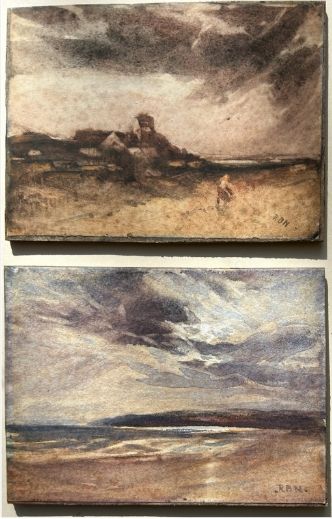
Paper watercolor artwork encompasses painted scenes, portraits, and maritime sketches executed on paper supports from the eighteenth century onwards. Buyers searching for paper watercolor artwork encounter diverse regional schools, ranging from British coastal views to Chinese pith paper paintings.
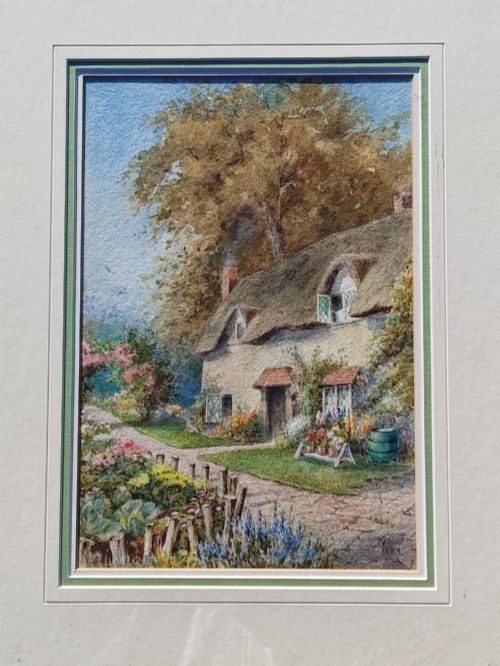
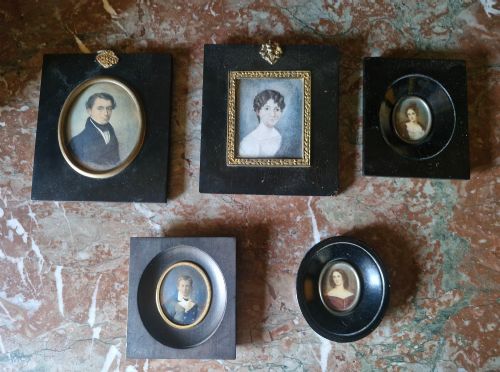
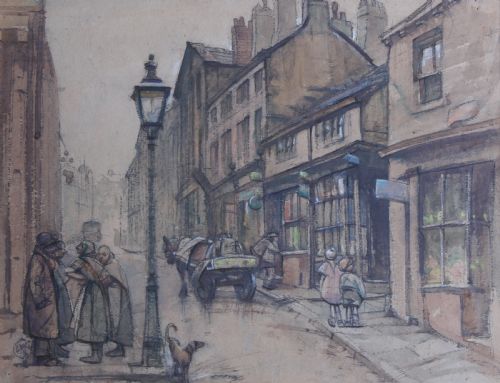
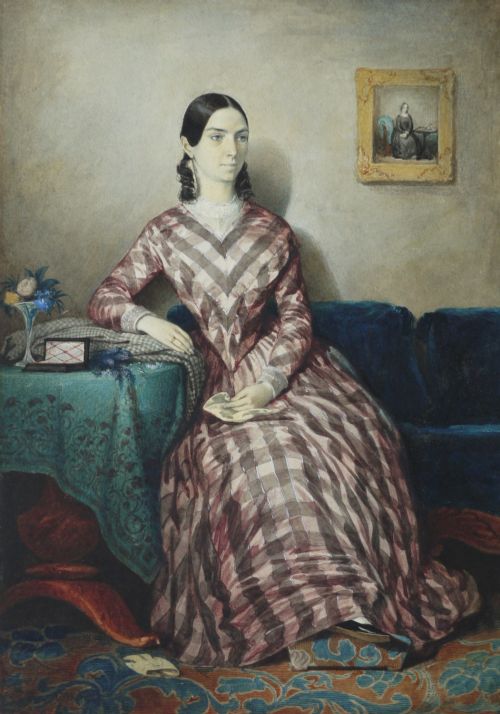
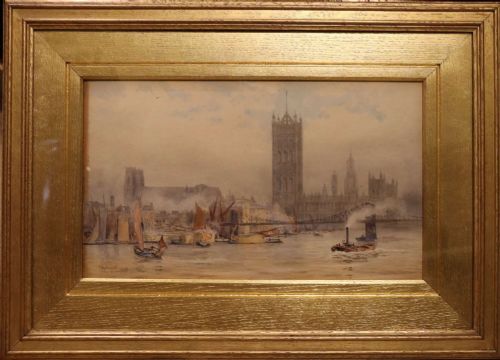
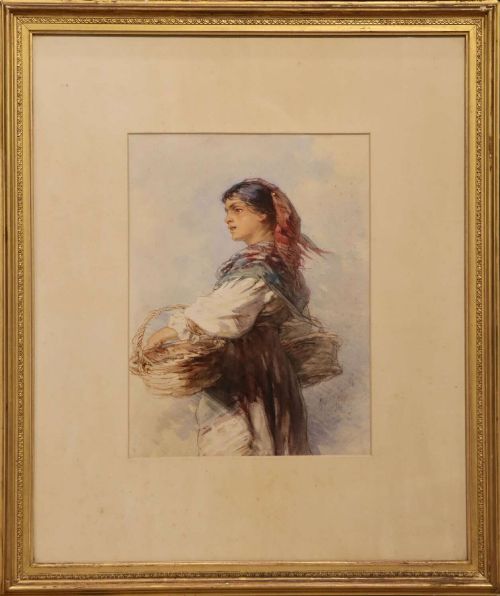
The nineteenth-century examples dominate this selection, featuring works framed under glass with wood mouldings. These pieces record topographical views, domestic scenes, and military portraits produced by named artists and anonymous hands alike.
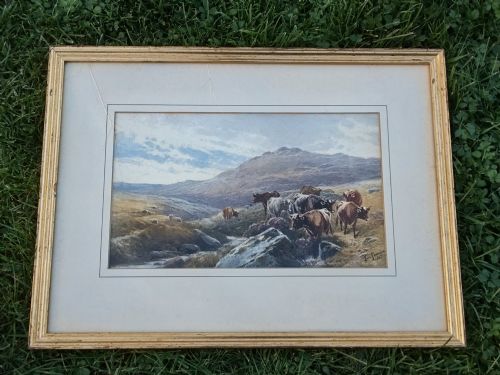
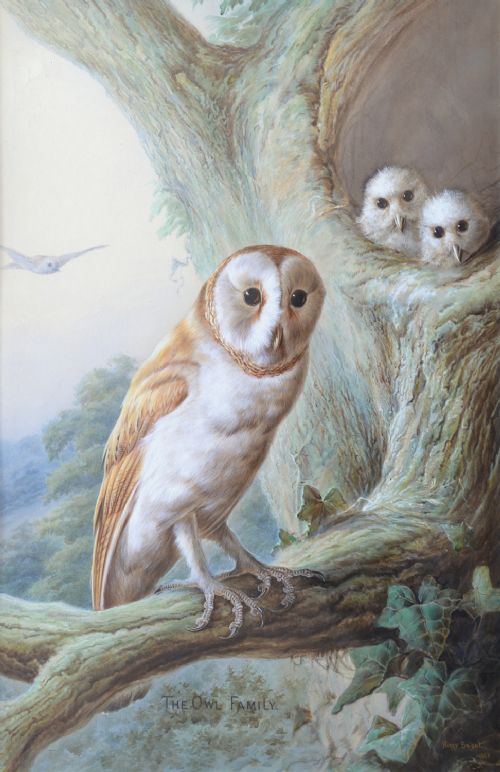
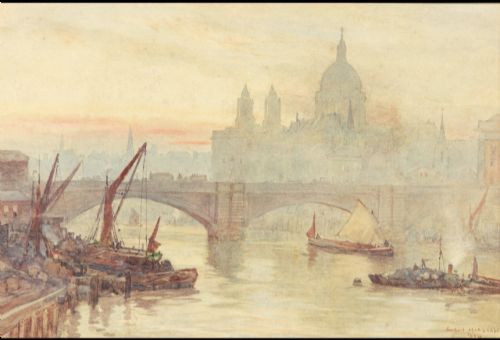
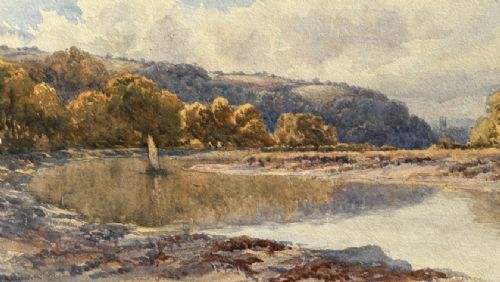
Collector interest centres on the handling of pigment, the preservation of the paper support, and the clarity of the subject matter. Landscapes and maritime subjects from the Victorian and Edwardian periods appear frequently among these listings.
Materials and technique
Watercolour pigment mixed with water forms the primary medium, frequently combined with bodycolour, gouache, or graphite outlines on paper. Artists utilised white paper grounds to impart luminosity to the transparent washes.
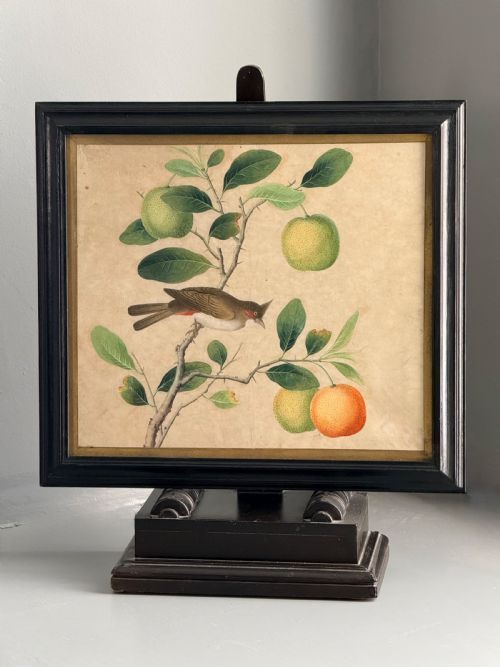
Specialised supports include pith paper for Chinese export paintings and heavier rag papers for British landscape sketches. Ink and wash techniques provide structural definition beneath or alongside the fluid watercolour applications.
Several artists clearly braved biting winds to sketch chilly Scottish lochs and turbulent maritime scenes without modern thermal layers.
Evaluating quality
Skill in handling translucent washes and maintaining crisp details dictates the distinction between masterworks and standard topographical records. The vitality of the brushwork and the precision of perspective reveal the training of the hand.
Condition plays a primary role, separating well-preserved sheets with vibrant pigment retention from examples dulled by exposure or dampness. Original framing and contemporary provenance further elevate the standing of a piece.
William James Hubard·George Sydney Shepherd·George Lorain Stampa·James Orrock·William Henry Earp·Richard Principal Leitch·Sir James Dromgole Linton·John R Prentice·Thomas Ellison·Alfred Young Nutt·Percy Lancaster·Henry Stacy Marks·James Smetham·A Marie Parsons·John McDougal·Thomas John Horsley·Robert Leslie Howey·James E Aitken·William Joseph Boyes·Frank Watson Wood·Henry Silkstone Hopwood·Muriel Metcalfe·Fred Lawson·Frank William Scarbrough·John Smith Atherton
The Paper Watercolor Artwork Glossary
- Bodycolour
- Watercolour paint mixed with a dense white pigment to create an opaque finish. This technique adds highlights and solid areas of colour to transparent washes.
- Gouache
- A heavy, opaque water-based paint similar to poster colour, yielding flat areas of dense pigment. It appears frequently on Chinese export pith paper works.
- Pith paper
- A delicate material derived from the pith of the Tetrapanax papyrifer plant, common in nineteenth-century Chinese export art. It absorbs watercolour with a velvet texture.
- Graphite
- A form of carbon used to draft initial outlines beneath watercolour layers. Visible underdrawing often reveals the artist's working process.
- Provenance
- The documented history of ownership associated with an artwork. Clear provenance supports the attribution and dating of nineteenth-century pieces.
Paper Watercolor Artwork: Frequently Asked Questions
How should I display paper watercolor artwork?
Hang these works away from direct sunlight to prevent the watercolour pigments from fading over time. Utilise UV-protective glass and acid-free mounts within wood frames to safeguard the paper support.
Keep the pieces in stable indoor environments with moderate humidity levels. This protects the delicate fibres of the paper and prevents warping of the backing boards.
What subjects are most common?
Landscapes and coastal scenes dominate the British selections, recording topography from Scotland, Wales, and the Thames Valley. Maritime views featuring sailing vessels and naval ships also appear regularly.
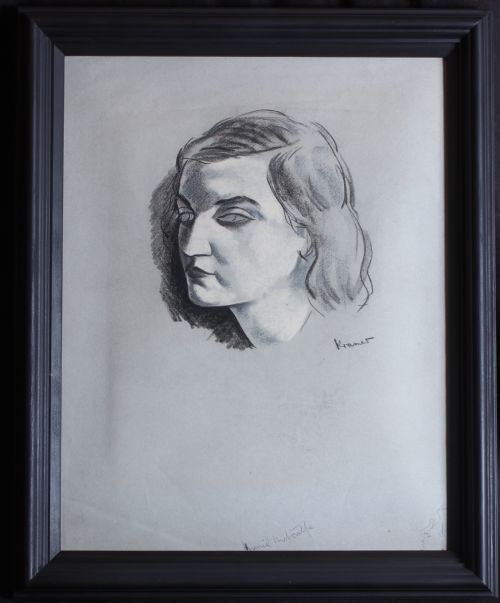
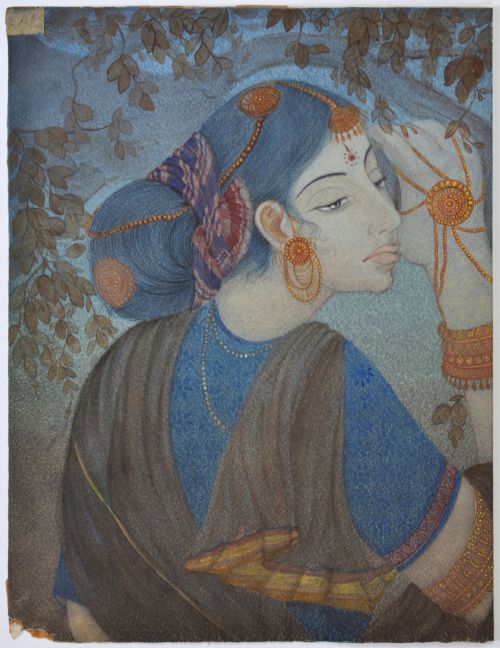
Portraiture forms another substantial category, encompassing silhouette profiles, military officers, and genre scenes. Chinese export works offer distinct figural studies and botanical subjects on pith paper.
How do I date an antique watercolor?
Examine the paper watermark, style of dress in figurative subjects, and framing materials for period clues. Victorian and Edwardian works often carry signatures, dates, or exhibition labels on the reverse.
Compare the pigment application and subject matter against known movements such as British Impressionism or the Pre-Raphaelite brotherhood. Handwritten inscriptions on the backing often record the specific location and year.
Are these works original paintings?
Every listed piece is a unique hand-painted original work on paper rather than a reproduction print. Artists applied wet pigments directly to the support, leaving distinct brushstrokes and pooled washes.
Close inspection under magnification reveals the texture of the paper fibres and the layering of individual washes. Ink lines and graphite underdrawing further confirm the handmade nature of each piece.