


Paper Sketch Study
When you search for paper sketch study, you are exploring intimate preparatory works that capture a moment of direct observation and artistic thought.
Paper Sketch Study
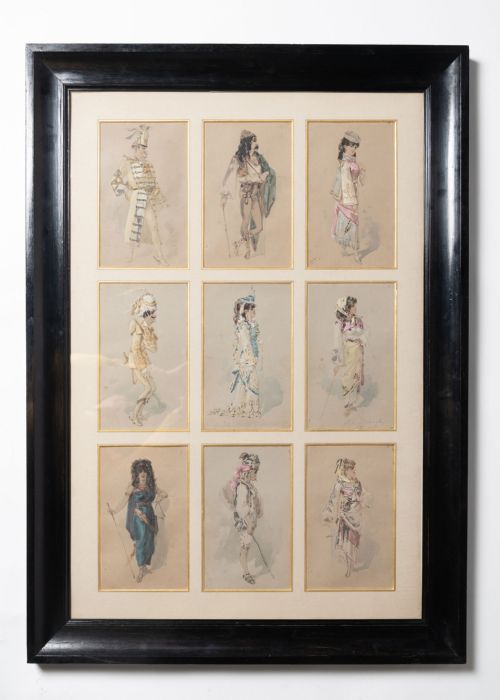
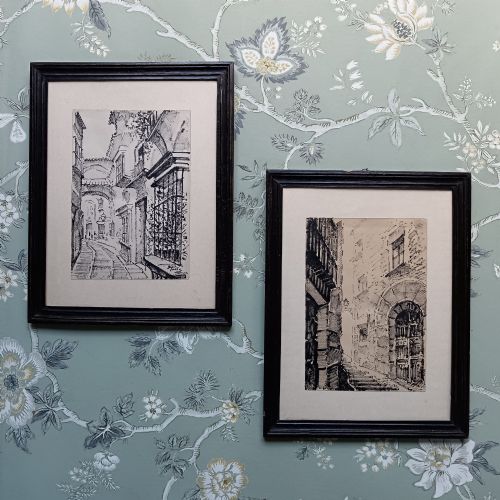
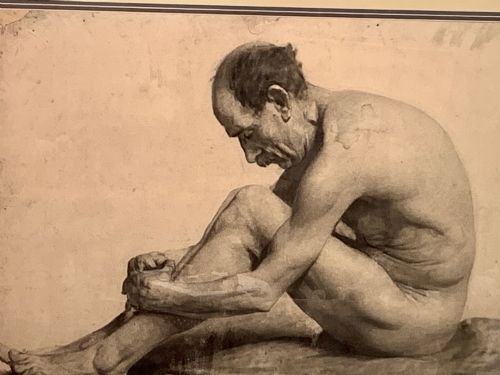
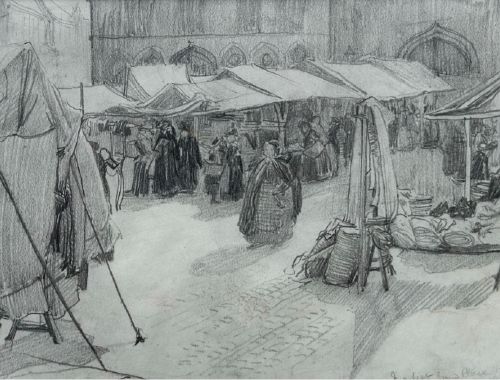
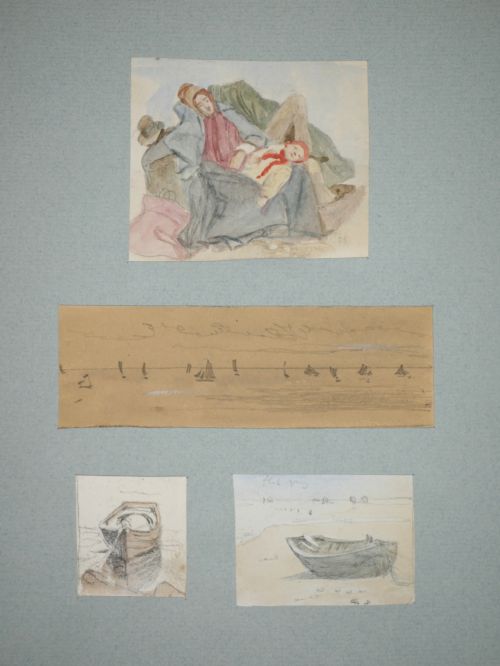
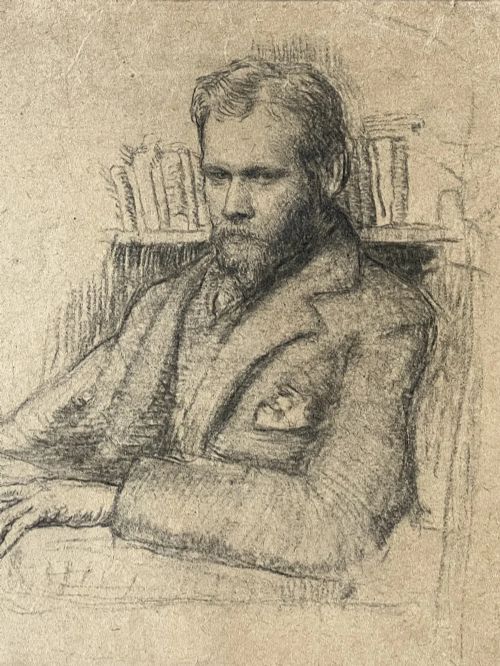
A paper sketch study captures the preliminary working thoughts of an artist, serving as an immediate record before a larger canvas or finished painting is realised. These works range from rigorous academic life studies of the human figure to rapid landscape notes and detailed architectural realisations.
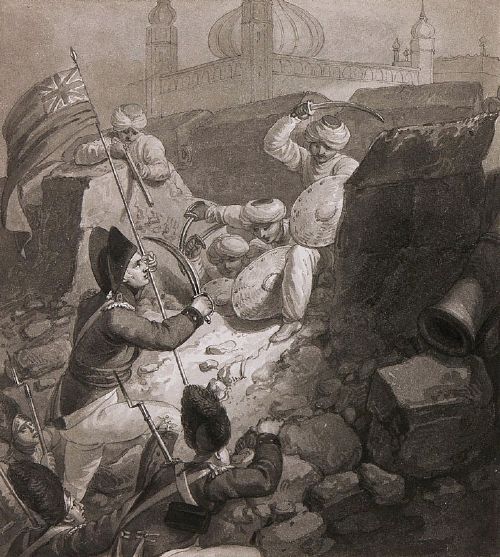
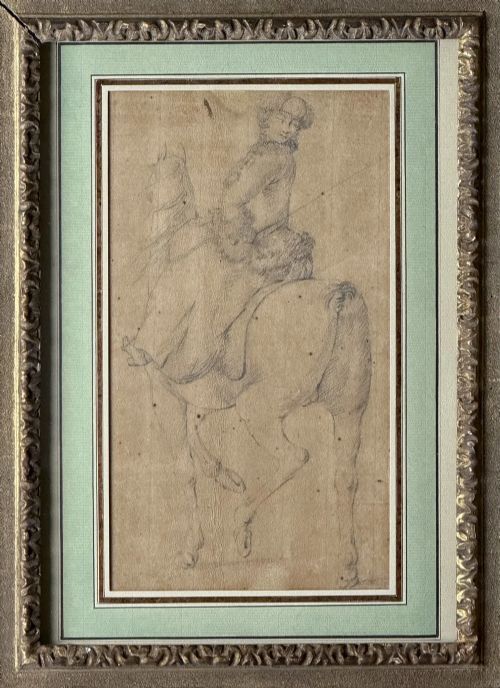
On this page, you will most frequently encounter works executed across the eighteenth, nineteenth, and twentieth centuries, reflecting diverse European and British schools. The subjects span portraiture, mythology, equestrian studies, and character portraits captured by both named masters and skilled anonymous hands.
The underlying support is invariably paper, sometimes tinted or prepared with a wash, providing a textured ground that interacts directly with the dry or fluid media applied upon it.
Materials and Technique
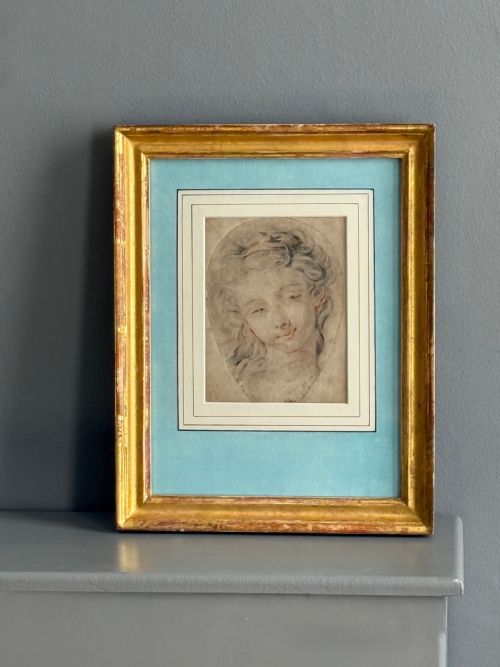
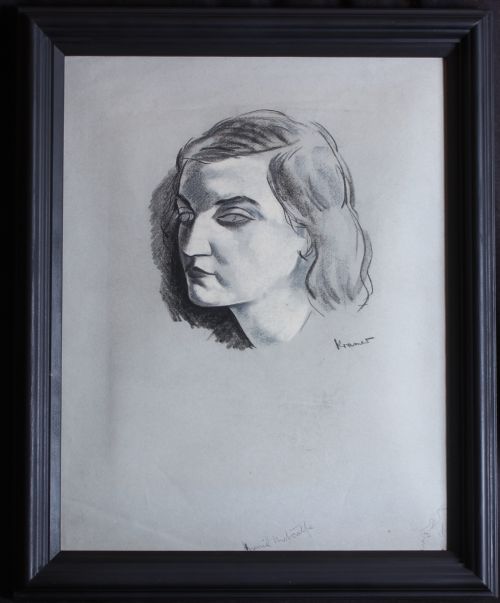
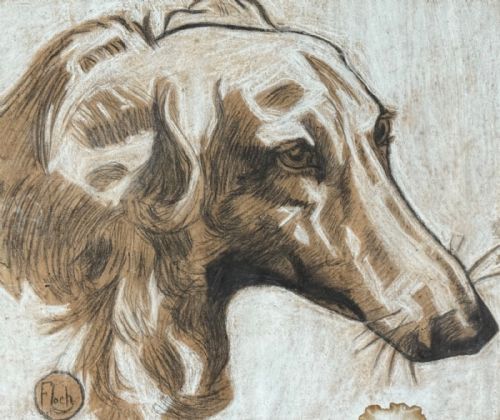
Artists utilise a direct combination of dry and wet media on paper, employing graphite, charcoal, and red chalk alongside fluid applications of pen, ink, and watercolour wash. These substances bond with the paper fibres to create tonal depth and line work that reveals the speed and pressure of the creator's hand.
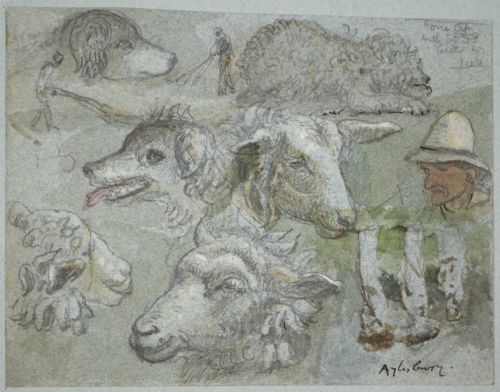
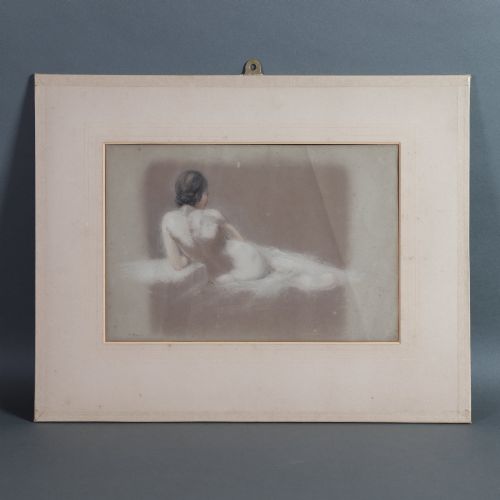
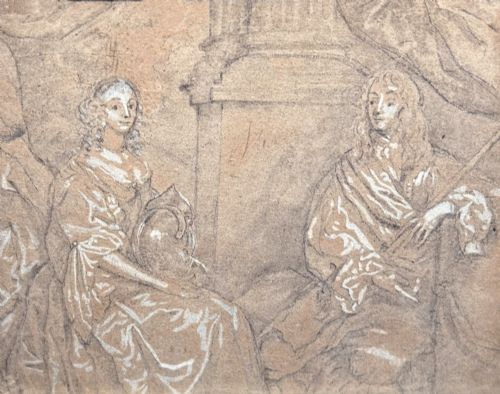
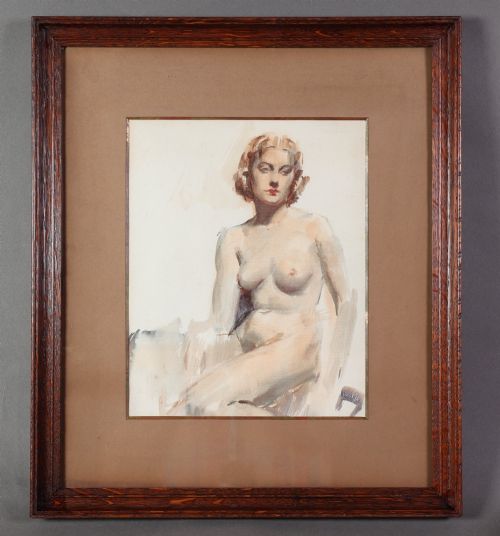
Buff, tinted, or laid papers are frequently selected to provide a mid-tone ground, allowing artists to deploy gouache or white heightening for dramatic highlights. This technique gives the flat sheet a three-dimensional sculptural presence, particularly evident in academic figure studies.
Paper Sketch Study Retail Price Guide 2026
Typical asking prices for paper sketch study among the pieces listed under this phrase on Sellingantiques today, from the lower quarter to the upper quarter. They describe what is for sale here now, not the wider market.
Listings feature paper sketch studies spanning the eighteenth, nineteenth, and twentieth centuries, executed in graphite, charcoal, ink, and watercolour.
Assessing Quality and Execution
Quality rests upon the confidence of the line and the anatomical or spatial conviction demonstrated across the sheet. A superior study displays decisive mark-making where corrections or pentimenti reveal a master's evolving thought process rather than hesitation.
The preservation of the paper support and the vibrancy of fugitive pigments like watercolours or early inks also dictate the standing of a piece. Clean sheets free from excessive acidic burn maintain the visual harmony intended by the creator.
Jacob Kramer·Henry Percy Huggill·William Etty·William Marshall Craig·Augustus John·Samuel Rabin·Dame Laura Knight·Henry Arthur Roberts
The Paper Sketch Study Glossary
- Recto and Verso
- The front and back of a sheet of paper. Many historical drawings contain sketches or preparatory notes on both sides.
- Pentimenti
- Visible traces of earlier marks or alterations made by the artist underneath the final composition. These changes reveal the creative process in real time.
- Wash
- A diluted application of ink or watercolour used to create flat or graduated areas of tone behind linear work. It provides depth and atmosphere to a monochrome drawing.
- Gouache
- An opaque water-based paint composed of pigment, water, and a binding agent such as gum arabic. It is frequently used for highlights on tinted paper.
Paper Sketch Study: Frequently Asked Questions
How should I frame historic drawings?
Historic works on paper require conservation-grade mounting materials to protect the delicate fibres and pigments from environmental degradation. Acid-free boards and UV-filtering glazing ensure the paper remains stable over time.
Keep these framed pieces away from direct sunlight and damp environments to prevent fading of watercolours and the formation of foxing spots on the paper.
What is the difference between a study and a finished drawing?
A study is typically created as an exploratory exercise or preparatory step for a larger work, focusing on a specific hand, pose, or composition. These pieces retain an experimental energy and immediacy.
Finished drawings are executed as independent artworks intended for exhibition or sale, possessing a level of polish and detail not required in a working draft.
How do I identify the period of an unsigned sketch?
Dating relies heavily on the type of paper, watermark analysis, and the specific stylistic conventions of the medium used. Academic drawings often follow strict proportional guidelines tied to specific centuries.
Examining the framing history and any historical inscriptions on the reverse of the sheet can also provide reliable clues to the origin of the piece.
Why are some drawings executed on tinted paper?
Tinted or buff paper provides a middle tone that allows the artist to work simultaneously in dark and light media. By adding dark chalk shadows and white gouache highlights, the drawing gains volume quickly.
This technique was particularly favoured in academic settings during the eighteenth and nineteenth centuries for rapid life drawing sessions.