




Paper Portrait Lithograph
These paper portrait lithograph examples bring graphic character to a wall, capturing notable figures through ink and plate work.
Paper Portrait Lithograph
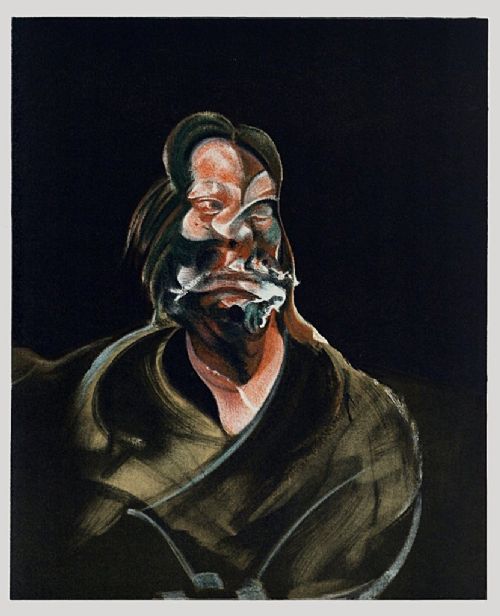
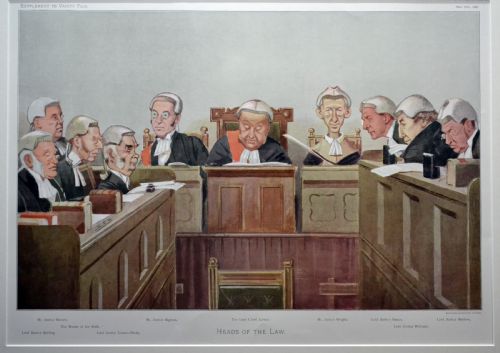
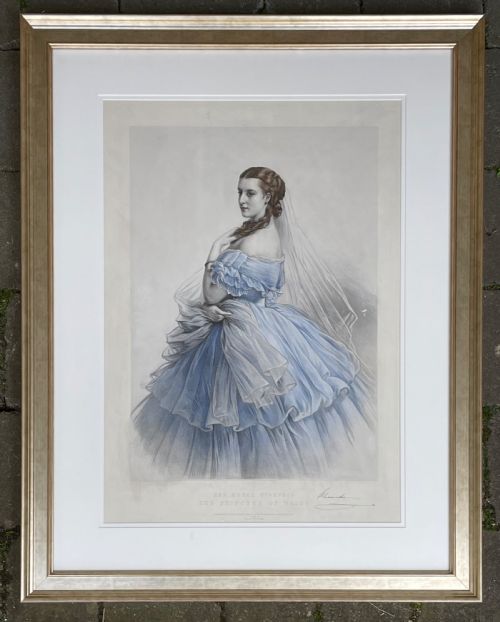
A paper portrait lithograph captures likenesses through planographic printing on paper supports, spanning periods from the Victorian era through Edwardian times and mid-century modernism. These works take the form of framed art prints, individual prints and engravings, and magazine supplements depicting specific sitters.
The selections encountered here include Vanity Fair spy prints, individual portraits such as Queen Alexandra and James Rowan, and works after Francis Bacon and Henri Matisse. Buyers will find both single sheets and multi-print sets reflecting British sporting art, caricature, and fine art traditions.
Dating ranges from the nineteenth century through the 1960s, offering diverse visual formats from double-page spreads to framed wall art. Each piece records a distinct personality through period printing methods.
Materials and production methods
These works rely primarily on paper supports printed with ink using lithographic techniques, capturing fine tonal gradations and sharp lines. Many examples are preserved behind glass within wood or metal frames.
Publishing formats vary from single sheets to unfolded double-page periodical inserts, retaining their original margins and typographic details where applicable.
Paper Portrait Lithograph Retail Price Guide 2026
Typical asking prices for paper portrait lithograph among the pieces listed under this phrase on Sellingantiques today, from the lower quarter to the upper quarter. They describe what is for sale here now, not the wider market.
Listings span the Victorian and Edwardian eras through to 1960s modernism, utilising paper, ink, glass, wood, and metal.
Distinguishing quality across examples
The integrity of the framing materials and the presence of original formats, such as unfolded double-page spreads, contribute to how effectively a piece represents its period.
The Paper Portrait Lithograph Glossary
- Lithograph
- A print produced by drawing on a limestone or metal plate with a greasy medium so that ink adheres only to the drawn areas. This technique allows for subtle tonal variation.
- Spy
- The pseudonym of artist Leslie Ward, whose caricature portraits defined the satirical portraiture of Vanity Fair. His work forms a major category within these prints.
- Double page format
- A publication layout where an illustration spans two adjacent pages, often left unfolded in original issues. This format preserves the complete image without a central crease through the main subject.
- Vanity Fair
- A British periodical published from the late nineteenth into the early twentieth century, known for its chromolithographic caricature portraits of contemporary figures. These plates remain sought-after items for collectors.
Paper Portrait Lithograph: Frequently Asked Questions
How should I display them?
These works suit domestic walls when framed appropriately behind glass to protect the paper surface from environmental exposure.
Keep them away from direct sunlight to prevent fading of the printing ink over time.
What periods do they cover?
The available selection spans from the mid-nineteenth century through the 1960s, encompassing Victorian, Edwardian, and mid-century eras.
Different decades bring distinct printing styles and subject matter, from satirical caricature to modern fine art prints.
Are these original prints?
The pieces listed are period impressions produced during the dates associated with each item, rather than modern reproductions.
Many originate from contemporary periodicals or dedicated print portfolios issued during the lifetime of the subjects.
How do I identify a spy print?
Spy prints typically feature the distinctive signature or pseudonym of the artist Leslie Ward alongside satirical portraiture of public figures.
They frequently appeared in periodical formats during the late Victorian and Edwardian periods.