
Paper Painting Artwork
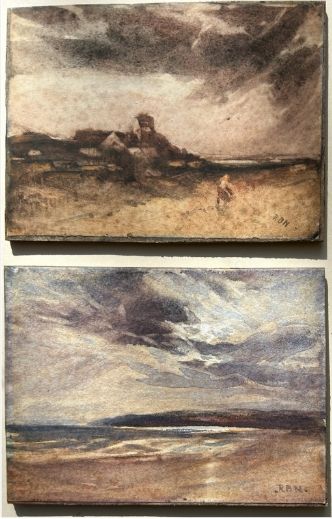
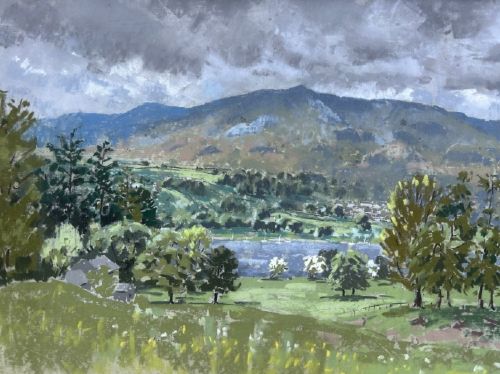
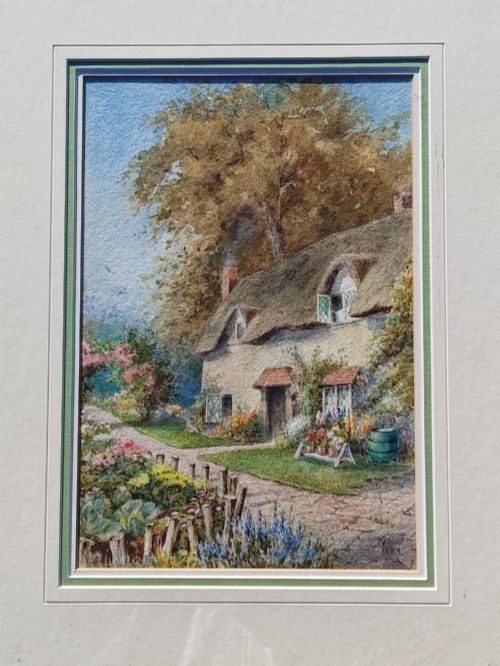
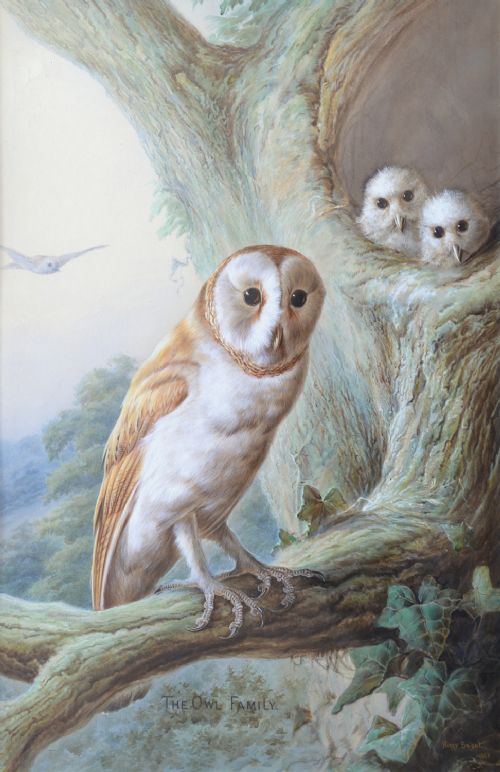
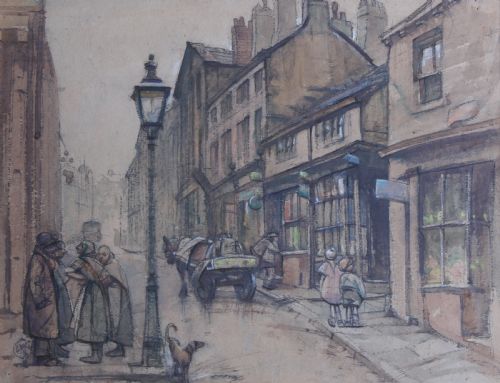
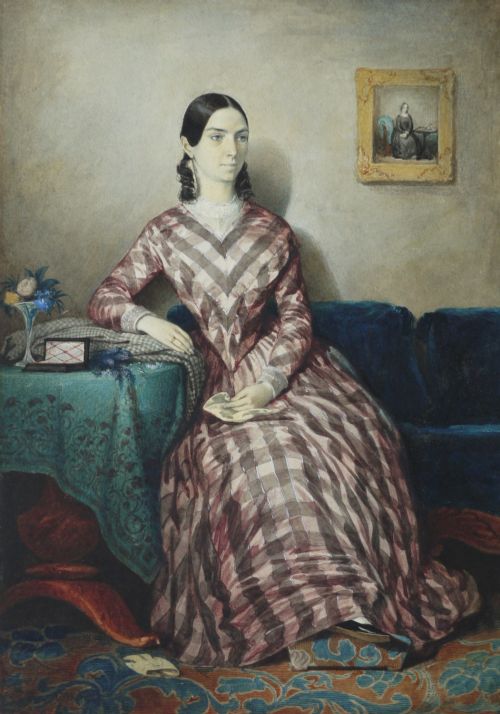
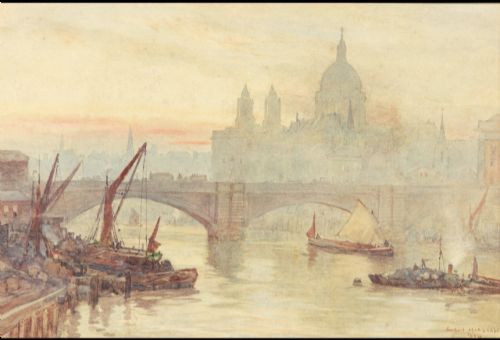
Paper painting artwork brings together delicate watercolours, gouache and pastels spanning multiple centuries to capture landscapes, portraits and townscapes.
Paper Painting Artwork
Paper painting artwork encompasses original works executed in watercolours, gouache, pastel, and ink upon various paper grounds. When searching for paper painting artwork, buyers encounter pieces ranging from eighteenth-century sheets to mid-twentieth-century watercolours and pastels.
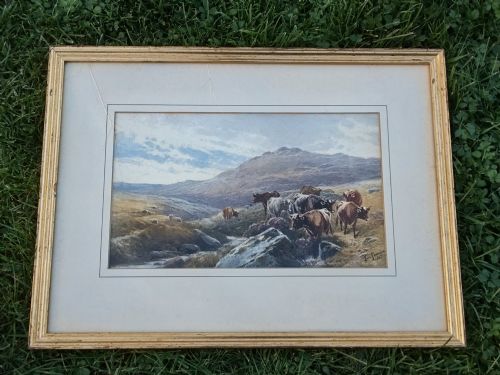
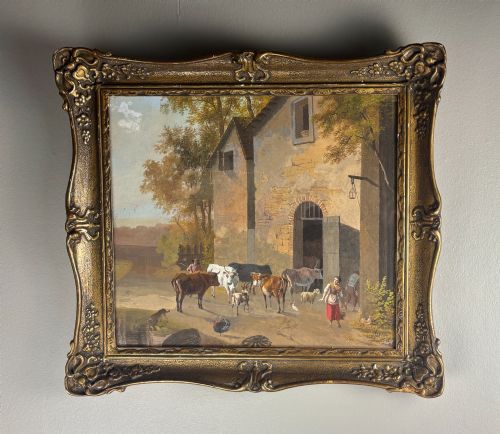
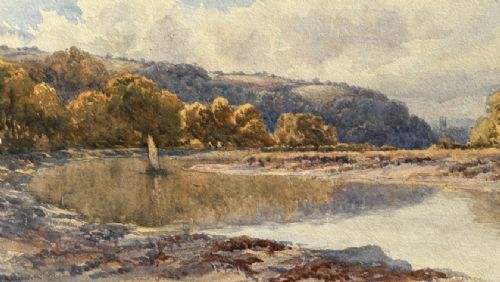
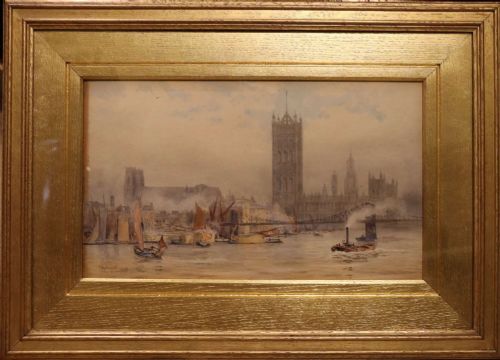
The selection on this page leans heavily towards nineteenth-century and early twentieth-century British landscapes, coastal scenes, and portrait miniatures. Examples include framed watercolours of Scottish lochs, townscapes, and detailed studies by named artists.
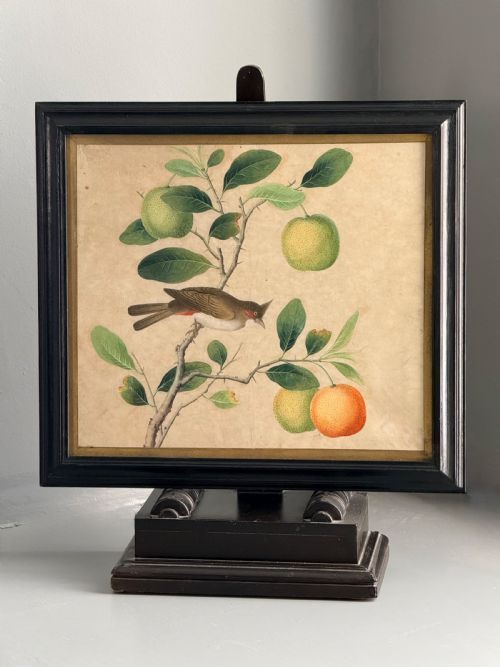
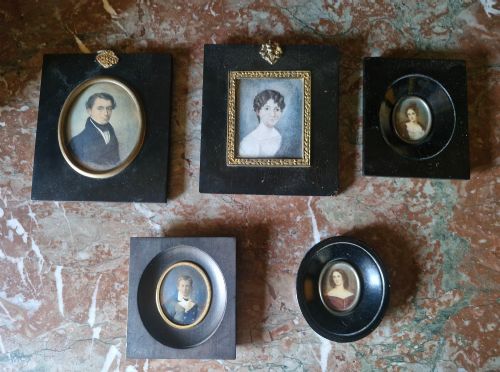
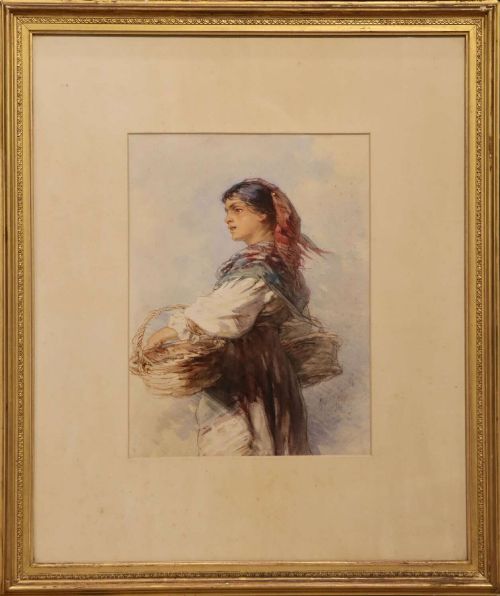
Works on pith paper from Chinese export traditions and Italian portrait miniatures also feature among the offerings. These objects provide a direct link to the hand of the artist through immediate application of pigment directly to the sheet.
Materials and techniques
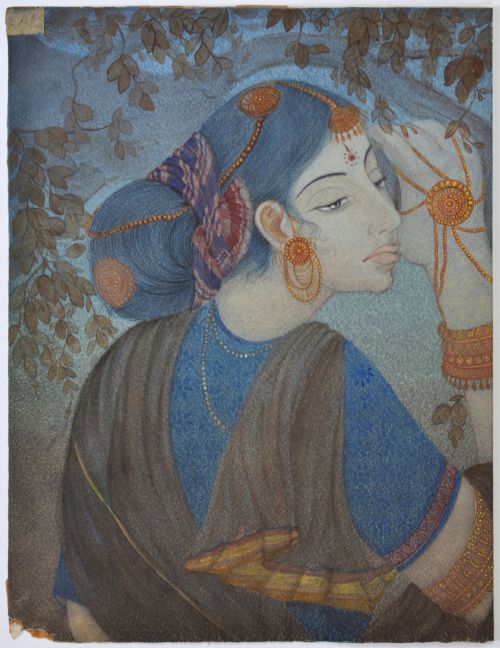
Artists apply watercolour pigment, bodycolour, gouache, and pastel onto sheets of paper or pith using fine brushes and chalks. Many works incorporate ink for underlying definition before washes of transparent or opaque pigment build the composition.
Pith paper, derived from the pith of the Tetrapanax papyrifer plant, provides a soft, absorbent surface utilised in Chinese export works. Frames constructed of wood and protected by glass preserve these sensitive media from atmospheric moisture and handling.
The inventory records pieces aligned with Victorian, Edwardian, Regency, Chinese Export, Art Deco, and British Impressionism styles.
Factors determining quality
Quality rests upon the sureness of the draftsmanship, the preservation of vibrant pigment tones, and the absence of heavy foxing or fading. Skilled handling of light and atmospheric perspective distinguishes accomplished works from routine topographical sketches.
The significance of the subject matter, the clarity of artist signatures, and documentation regarding provenance elevate certain pieces. Contemporary framing and archival protection also contribute to the overall presentation and longevity of the sheet.
Robert Buchan Nisbet·Angus Rands·Thomas Rowden·Harry Bright·Cuthbert Crossley·Alessandro Cittadini·Herbert Menzies Marshall·David Law·George Sydney Shepherd·H Medlycott·Guido Bach·George Lorain Stampa·James Orrock·William Henry Earp·Richard Principal Leitch·Sir James Dromgole Linton·John R Prentice·Thomas Ellison·Alfred Young Nutt·Percy Lancaster·James Smetham·A Marie Parsons·John McDougal·Thomas John Horsley·Robert Leslie Howey
The Paper Painting Artwork Glossary
- Watercolour
- A painting method where the paints are made of pigments suspended in a water-based solution. It relies on the white of the paper to provide luminosity through transparent washes.
- Gouache
- An opaque water-based paint consisting of pigment, water, a binding agent, and inert white pigment. It allows for solid blocks of colour and fine highlights.
- Pastel
- A dry painting medium in the form of a stick, consisting of powdered pigment and a binder. Pastels produce rich, velvety colour surfaces closely resembling raw pigment.
- Pith paper
- A delicate, spongy material cut from plant stems used historically in China for export paintings. It absorbs water-based pigments to produce a distinctive velvety texture.
- Foxing
- Brown spots or patches caused by chemical reactions in the paper over time. Collectors monitor its spread to assess the stability of the sheet.
Paper Painting Artwork: Frequently Asked Questions
How should I frame a paper painting?
Protect the work behind glass with acid-free window mounts that keep the paper from touching the glazing directly. This prevents condensation transfer and allows air circulation around the fragile sheet.
Position the framed piece away from direct sunlight to prevent the watercolour pigments and pastels from fading over time.
What is pith paper?
Pith paper is a delicate, absorbent material sliced from the stems of a shrub native to southern China. It possesses a velvety texture that accepts gouache and watercolour with intense, luminous results.
Export artists utilised this medium extensively during the nineteenth century to create vibrant figural and botanical studies for foreign markets.
How do I identify a Victorian watercolour?
Look for characteristic subject matter such as sentimental genre scenes, detailed topographical landscapes, or coastal views featuring fishing boats. Signatures, dates, and framing styles often corroborate the Victorian period.
Paper stocks from this era frequently carry watermarks that assist specialists in narrowing down the date of manufacture.
Can pastels be cleaned?
Pastels reside loosely on the surface of the paper without deep binding, making amateur cleaning extremely hazardous to the pigment layer. Any intervention requires a specialist paper conservator using targeted removal techniques.
Keeping the work sealed securely behind glass prevents dust and atmospheric pollutants from settling on the delicate chalk particles.