

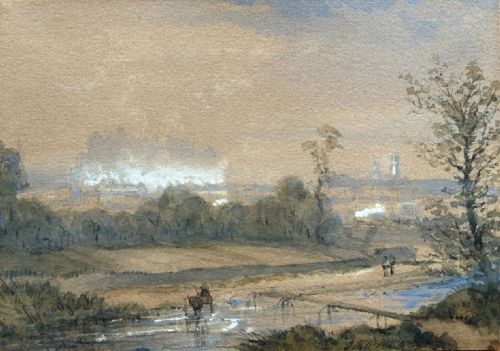


Paper Landscape Painting Art
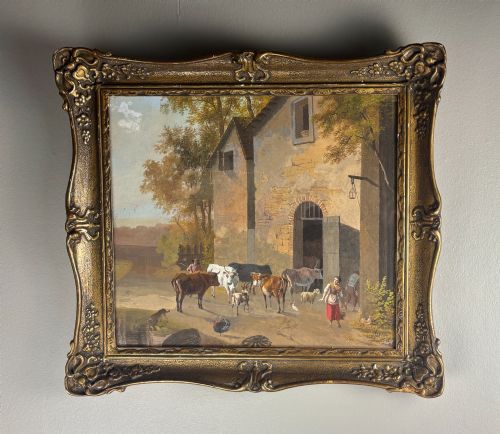
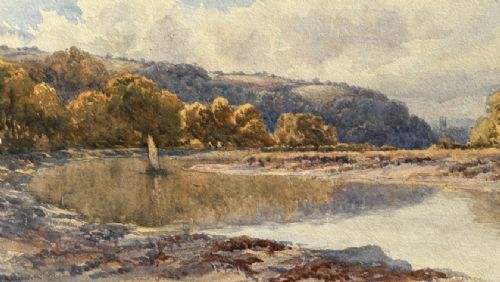
When you search for paper landscape painting art, you enter a rich tradition of works on paper capturing light, water and terrain.
Paper Landscape Painting Art
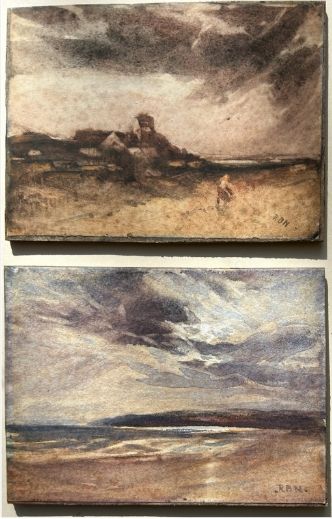
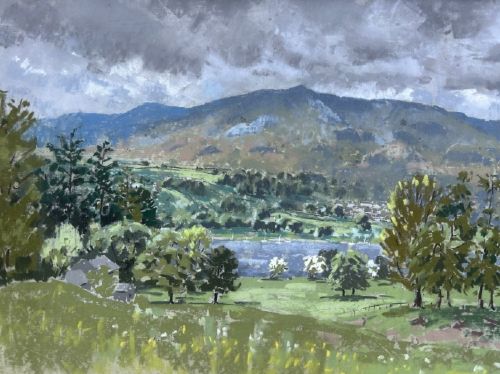
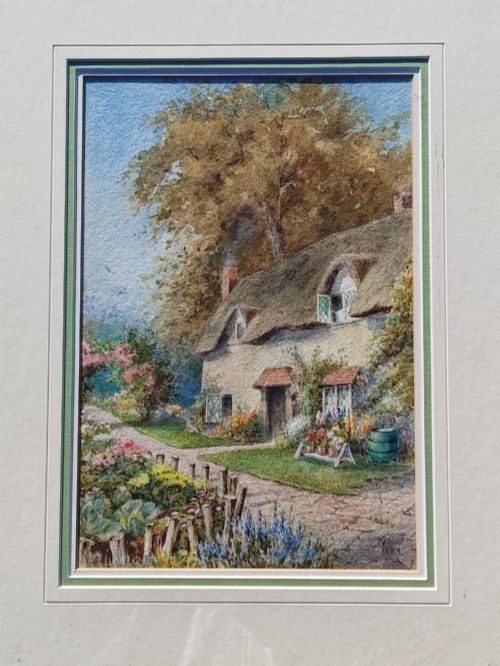
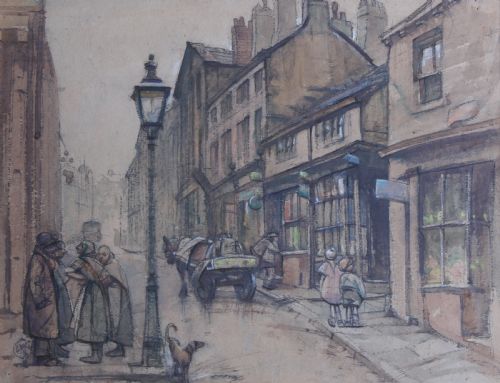
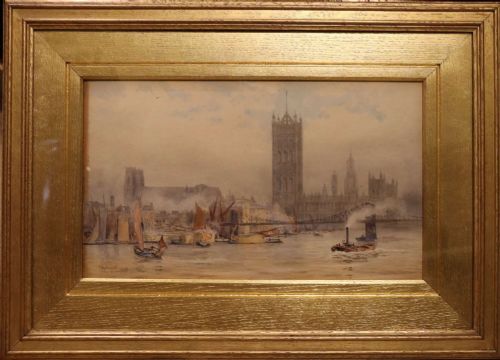
Paper landscape painting art encompasses original watercolours, charcoals, pastels and mixed media works executed on paper supports, focusing primarily on natural scenery, coastal views and architectural settings. These pieces range from intimate sketches to large framed artworks originating from the nineteenth and twentieth centuries.
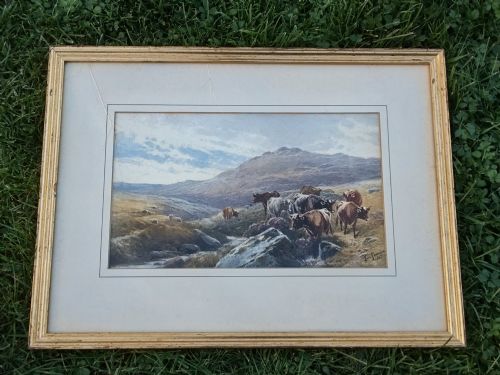
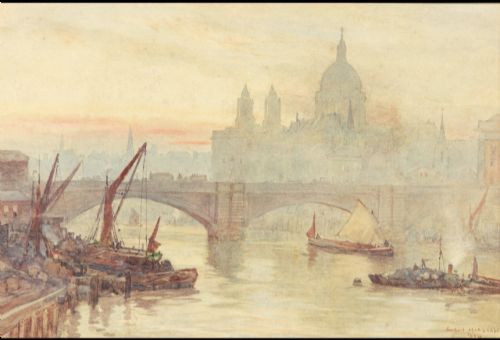
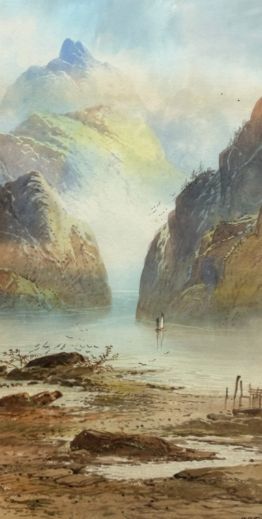
You are most likely to encounter British watercolours and charcoal drawings dating from the Victorian and Edwardian eras through to the mid twentieth century. These works frequently depict regional landscapes, Scottish and Welsh terrain, or maritime scenes.
The category includes signed works by regional artists alongside period studies, demonstrating how practitioners applied pigment, ink and watercolour paint to paper surfaces. Many are preserved behind glass within original frames that complement their visual style.
How they were made
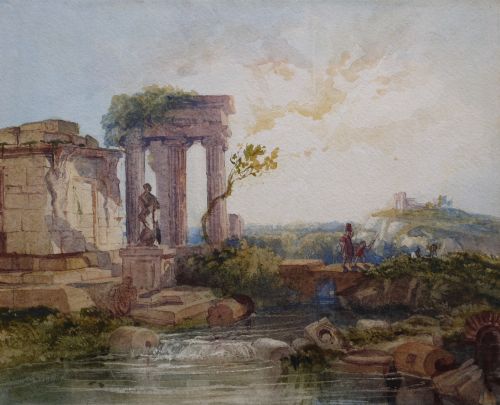
Artists utilised watercolour pigment and watercolour paint applied to sheets of paper, sometimes combining ink, pastel or charcoal to build tone and line. These materials required precise brushwork and rapid handling since paper absorbs liquid media quickly.
Support techniques varied, with some sheets mounted directly onto canvas stretchers or secured behind glass within protective wooden frames. The interaction between absorbent paper and fluid pigment allowed creators to capture atmospheric light and transient weather effects.
Listings feature works spanning the nineteenth and twentieth centuries, utilising paper, watercolour, charcoal, pastel, ink and wood.
What varies in quality
The strength of composition and the artist's ability to manipulate light and shadow distinguish finer works from standard topographical records. Superior examples demonstrate confident brushwork, tonal balance and precise control over the medium.
Preservation of the paper support and the vibrancy of the pigments strongly influence the overall standard. Works that retain their original colour intensity and show minimal fading or discolouration represent the upper tier of this selection.
James Orrock·William Henry Earp·Richard Principal Leitch·John R Prentice·Thomas Ellison·Alfred Young Nutt·Percy Lancaster·John McDougal·Robert Leslie Howey·James E Aitken·William Joseph Boyes·Muriel Metcalfe·John Smith Atherton·Th Thibault·Hector Caffieri·Richard Henry Wright·Thomas Maidment·Alfred G Morgan·Russell Sidney Reeves·Henry de Waroquier·Bonomi Edward Warren·William Matthison·Robert George Talbot Kelly·Charles Edward Wilson·Henry Barlow Carter
The Paper Landscape Painting Art Glossary
- Watercolour
- A paint consisting of a pigment suspended in a water-soluble vehicle, traditionally applied to paper. It allows for translucent washes and delicate tonal layering.
- Charcoal
- A dry drawing material made from finely ground organic matter held together by a gum or wax binder, used here for expressive landscape studies. It produces deep blacks and soft grey gradations.
- Pastel
- A painting or drawing medium in the form of a stick, consisting of powdered pigment and a binder. It delivers rich, velvety colour directly to the paper surface.
- Tonalism
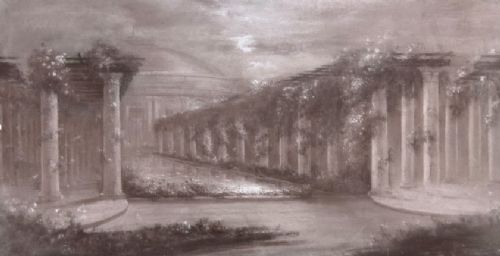
- An artistic style that emerged in the late nineteenth century where artists painted landscapes with an overall dominant tone or atmospheric mist. Works in this style prioritise mood and shadow over sharp topographical detail.
- Provenance
- The documented history of ownership and origin for an artwork. It helps establish authenticity and historical context.
Paper Landscape Painting Art: Frequently Asked Questions
How should I display paper landscape paintings?
Keep these works out of direct sunlight to prevent the pigments and paper from fading over time. Framing them behind glass with conservation mounting ensures the delicate paper support remains protected from atmospheric moisture.
Position them on interior walls where ambient light is controlled. This preserves the subtle tones of the watercolour or pastel pigments.
What periods do these artworks cover?
The listings span from the nineteenth century through the Edwardian period and into the mid twentieth century. You will find Victorian marine art, early twentieth century British works and mid twentieth century lake landscapes.
Each period brings distinct stylistic approaches, moving from detailed topographical studies towards more impressionistic and tonal interpretations of nature.
What materials are used in these works?
Artists relied primarily on paper supports combined with watercolour paint, watercolour pigment, ink, pastel and charcoal. Some works also incorporate glass and wood within their framing.
The interplay between these dry and wet media defines the visual texture of the pieces, allowing creators to balance sharp linear detail with fluid washes.
How can I tell different landscape styles apart?
Victorian and Edwardian pieces often focus on clear topographical accuracy and narrative marine scenes. In contrast, tonalist and impressionist works emphasise atmospheric mood, softened edges and subdued colour palettes.
Looking at the brushwork and the treatment of light reveals whether a piece leans towards precise recording or expressive interpretation.