





Paper Landscape Etching
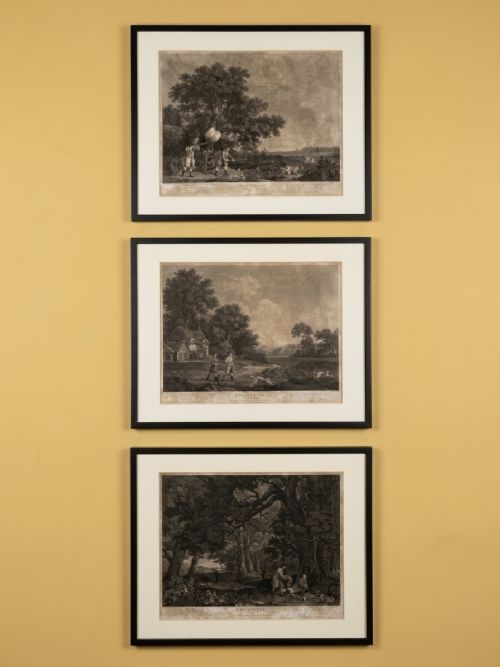
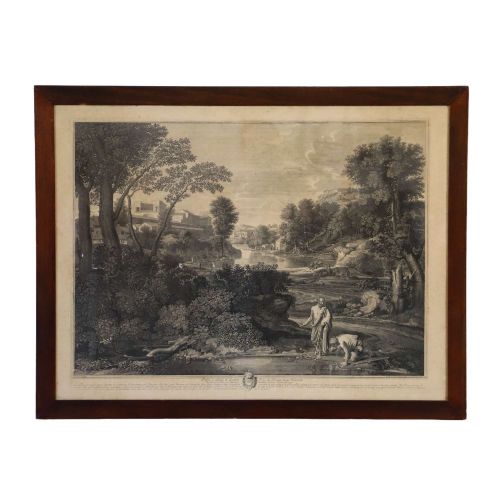
These paper landscape etching works are printed rural scenes on paper, offering subtle tonal depths that collectors seek for classic gallery walls.
Paper Landscape Etching
When you search for paper landscape etching, you are looking at printed works on paper that capture rural scenes, architectural views, and coastal expanses. The pieces appearing here span from the eighteenth century through the Victorian era and into the 1930s.
The most common versions you will meet on this page are framed prints and etchings from the Georgian and Victorian periods, often depicting topographical subjects and historical views. These works demonstrate the enduring appeal of engraved landscapes across different centuries of printmaking.
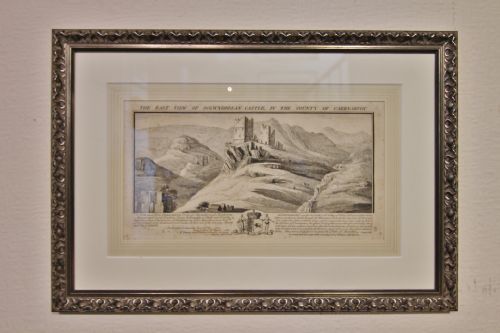
The selection includes specific regional views such as London from Greenwich Park, Guernsey seaweeding, and Dolwyddelan Castle in Wales. Collectors also encounter sets of hand-tinted prints from the Regency period alongside modernist works from the twentieth century.
Materials and methods
Makers utilised ink applied to prepared plates, transferring the image onto paper through pressure. Many examples in this collection incorporate hand-coloured ink, watercolour, or hand-tinting over the foundational printed lines.
Framing materials commonly include wood and glass, which protect the fragile paper supports from environmental damage. The integration of aquatint alongside traditional etching techniques allowed printmakers to achieve subtle tonal gradations and atmospheric landscape effects.
Paper Landscape Etching Retail Price Guide 2026
Typical asking prices for paper landscape etching among the pieces listed under this phrase on Sellingantiques today, from the lower quarter to the upper quarter. They describe what is for sale here now, not the wider market.
Listings feature paper, wood, glass, ink, watercolour, and hand-coloured ink across multiple historic periods.
Judging the work
Quality in these works rests upon the clarity of the line and the precision of the plate impression. Stronger impressions retain crisp details in distant foliage and architectural elements, whereas worn plates yield softer, less distinct passages.
The application of hand-colouring separates standard decorative prints from finer artistic examples. Skilful watercolour tinting enhances the atmospheric depth of a landscape without obscuring the underlying etched line.
Étienne Baudet·T.A Prior·Joseph Farrington RA·Joseph Constantine Stadler·Norman Janes
The Paper Landscape Etching Glossary
- Etching
- A printmaking process where acid bites into a metal plate to create lines that hold ink. This technique allows for fine, fluid lines that closely resemble freehand drawing.
- Aquatint
- A printmaking method that produces tonal areas resembling watercolour washes. Printmakers use this technique to create atmospheric skies and shadowed grounds in landscape prints.
- Lithograph
- A planographic printing process based on the chemical repulsion of oil and water. This method allows for smooth tonal gradations across the paper surface.
- Hand-Coloured
- A finished print enhanced with watercolours or tinted inks applied by hand after the initial impression. This process adds individual colour variation to each sheet.
- Regency
- A British historical period dating from the early nineteenth century defined by neoclassical elegance. Furniture and art from this era often display refined classical proportions.
Paper Landscape Etching: Frequently Asked Questions
What is a paper landscape etching?
A paper landscape etching is an inked impression on paper created from a metal plate that has been etched with acid. These works depict natural scenery, historic buildings, and coastal views.
Makers often added watercolour washes or hand-tinting to enhance the visual depth of the printed scene.
How should I frame these prints?
These works require framing under glass with acid-free mounts to protect the fragile paper from humidity and direct light. Original frames should be preserved where possible to maintain the historical integrity of the piece.
Keep framed works away from direct sunlight to prevent the fading of ink and watercolour pigments.
How do I identify a Victorian etching?
Victorian etchings often feature domestic or topographical subjects, sometimes accompanied by hand-colouring or aquatint shading. The paper stock and framing style frequently reflect nineteenth-century manufacturing methods.
Examining the signature and any publication details inscribed on the margin helps confirm the period of production.
What subjects are most common?
Common subjects include rural countryside views, coastal activities such as Guernsey seaweeding, and architectural landmarks like Welsh castles. Topographical scenes of London and regional estates also appear frequently.
These subjects reflect the period preference for picturesque scenery and records of familiar landscapes.