


Paper Horse Sketch Drawing
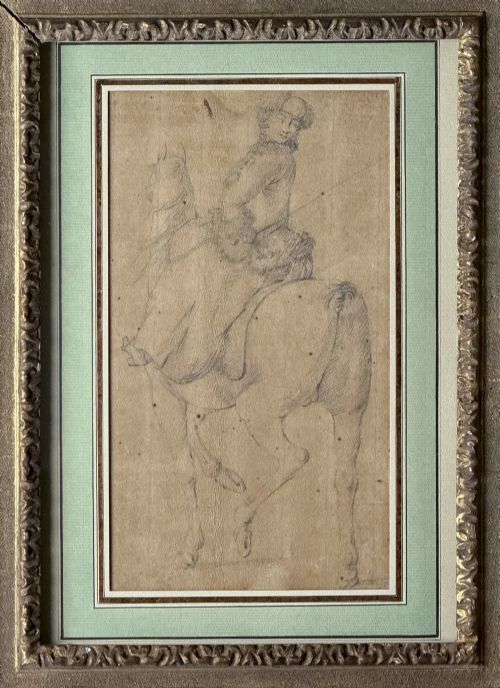
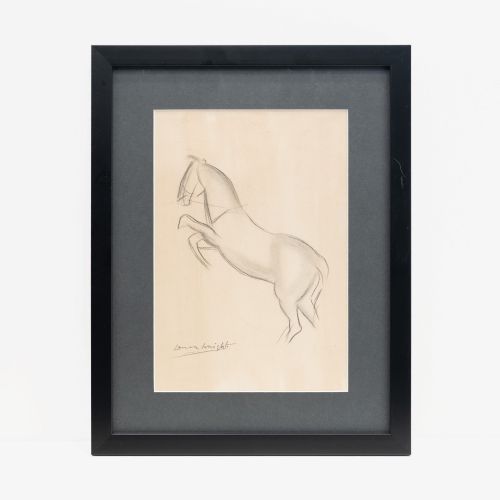
These paper horse sketch drawing works capture equine subjects across centuries, offering buyers immediate graphic intimacy with the animal.
Paper Horse Sketch Drawing
A paper horse sketch drawing comprises original works on paper spanning the eighteenth century to the mid-twentieth century, recording equines through distinct artistic movements. Buyers searching for a paper horse sketch drawing encounter diverse manifestations ranging from traditional sporting art to modern British expressions and orientalist scenes.
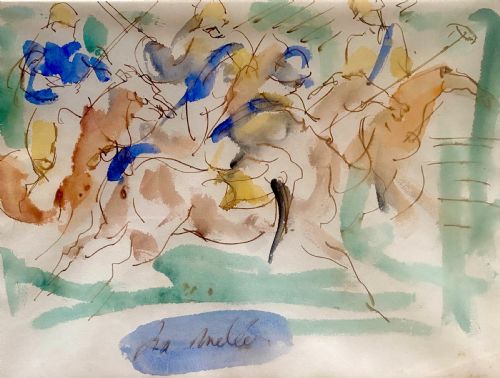
The selection here encompasses framed drawings, watercolours, and mixed media pieces executed across various periods including the nineteenth century and the 1920s. Examples range from early eighteenth-century northern European equestrian studies to mid-century racing pastels and twentieth-century expressionist watercolours.
Framed artwork dominates the current presentation, preserving delicate paper supports behind glass while highlighting individual artist hands. These pieces capture horses in varied contexts, from polo matches and hunting scenes to formal equestrian portraits and landscape integration.
Materials and technique
Artists executed these works on paper supports, frequently utilising graphite, ink, charcoal, chalk, or pastel to delineate equine forms. Watercolour and heightened charcoal appear across different periods, allowing creators to build tone and atmosphere swiftly on the sheet.
Framing preserves these fragile works, pairing glass and wood surrounds with the underlying paper drawings. The combination of dry media and fluid ink on paper defines the technical execution across both traditional equestrian pieces and modern British compositions.
Horses stare out from eighteenth-century sheets and mid-century pastels with equal equine dignity.
Assessing quality and execution
The strength of the draftsmanship dictates the distinction between standard records and masterly interpretations of equine anatomy and movement. Confident handling of graphite, ink, or pastel separates immediate life studies from rigid, formulaic depictions.
The interaction between the medium and the paper support governs the visual weight of each piece, where purposeful marks reveal the artist's intent. Condition of the paper and the integrity of the framing further define the enduring presence of these works.
Dame Laura Knight·John Rattenbury Skeaping·Michael Lyne·Johan Noah Bemmel·Fred Lawson
The Paper Horse Sketch Drawing Glossary
- Equestrian study
- An artwork focused specifically on the anatomy, movement, or depiction of horses. These studies range from quick compositional drafts to finished portraits.
- Watercolour
- A paint consisting of pigment suspended in a water-based solution, applied to paper to create translucent washes of colour. It often combines with ink or pencil in these works.
- Pastel
- A dry art medium in the form of a stick, consisting of powdered pigment and a binder. It produces rich, velvety colour surfaces on paper.
- Orientalism
- Artistic styles and themes inspired by Middle Eastern and North African cultures, prevalent in nineteenth-century European art. These works often employ heightened charcoal and dramatic lighting.
- Expressionism
- A modernist movement where artists sought to express emotional experience rather than physical reality. It manifests here through energetic brushwork and ink applications.
Paper Horse Sketch Drawing: Frequently Asked Questions
What periods do these drawings come from?
The selection spans from the early eighteenth century through the nineteenth century into mid-twentieth-century modern movements.
Examples include eighteenth-century northern European studies alongside works from the 1920s, 1950s, and 1960s.
How should I display drawings on paper?
These works require framing behind glass to protect the delicate paper supports from environmental damage and moisture.
Placement away from direct sunlight prevents fading of ink, watercolour, and pastel pigments over time.
What mediums were used for these horses?
Artists utilised a variety of dry and wet media including graphite, ink, charcoal, chalk, watercolour, and pastel.
Some pieces combine multiple mediums on tinted or coloured paper to enhance tonal depth.
Are these works original or prints?
The listings consist entirely of original drawings and paintings executed by hand on paper supports.
Each piece represents a unique historical artwork rather than a mass-produced reproduction.