


Paper Graphite Sketch Study
A paper graphite sketch study captures the direct hand of an artist, offering a spontaneous glimpse into historical portraiture, landscape, and figure work.
Paper Graphite Sketch Study
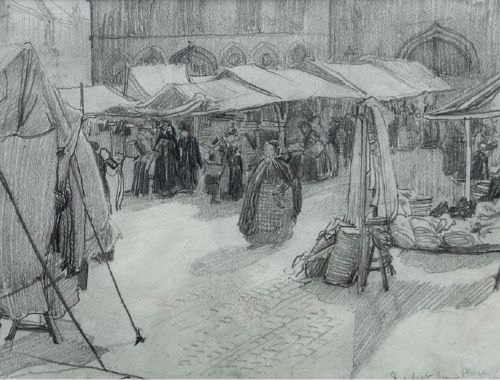
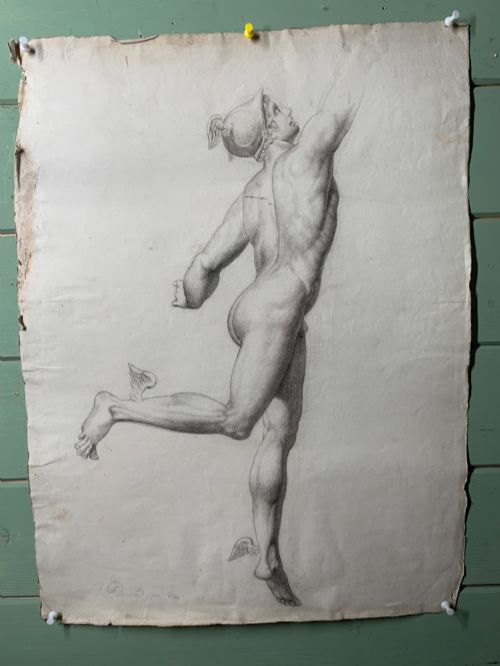
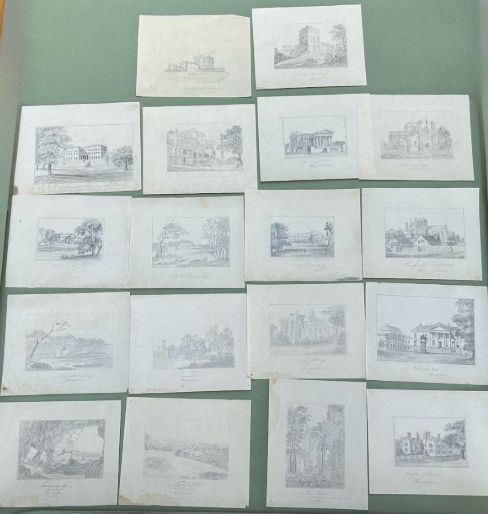
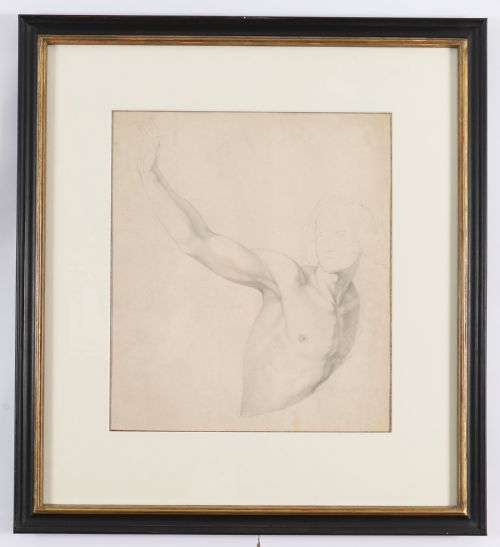
A paper graphite sketch study represents a direct window into an artist's working process, capturing preliminary thoughts or finished compositions on paper. When exploring a paper graphite sketch study, collectors encounter works ranging from academic life studies of the human form to architectural observations and landscape vistas.
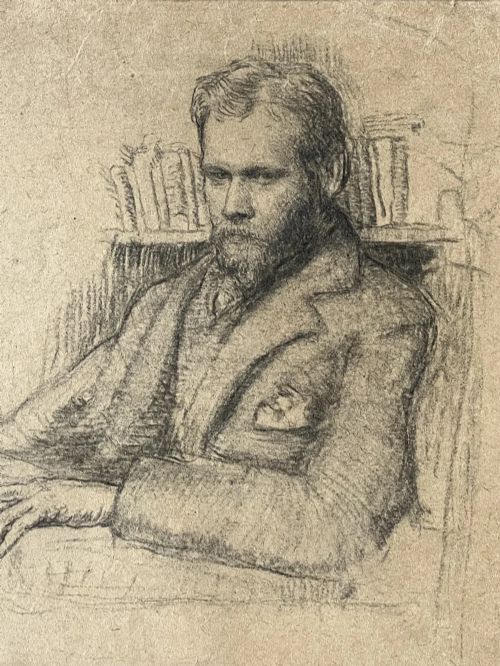
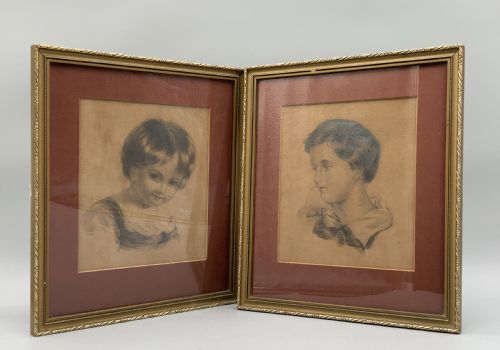
The selections span multiple eras, with nineteenth-century examples and early twentieth-century works appearing frequently alongside eighteenth-century collections. Creators utilised humble graphite and pencil mediums to render portraits of notable figures, domestic scenes, and allegorical subjects directly onto paper supports.
Materials and execution
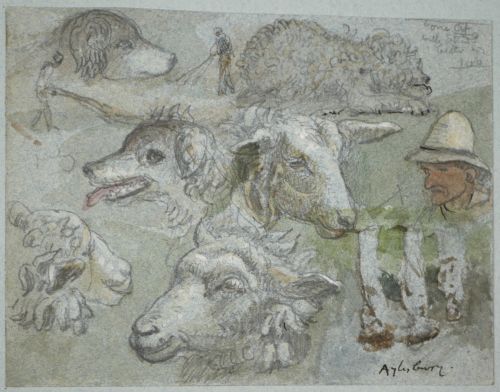
Artists executed these works primarily using graphite and pencil on various grades of paper, occasionally incorporating charcoal, chalk, or subtle watercolour washes to enhance tone and depth. Many of these drawings were subsequently mounted behind glass within wooden frames, protecting the delicate paper surfaces from environmental damage.
Techniques range from rapid compositional notations to meticulous academic realism, demonstrating how draftsmanship formed the foundation of traditional fine art training across the Georgian, Victorian, and modern periods.
Listings feature paper supports combined with graphite, charcoal, and watercolour across Georgian, Victorian, and early twentieth-century periods.
Judging the work
Quality in these works rests upon the confidence of the line and the anatomical or spatial accuracy achieved by the hand of the draftsman. Superior examples display a decisive economy of stroke that conveys immediate life and character, whereas lesser pieces can feel stiff or overly laboured.
The significance of the subject matter and the reputation of the hand involved elevate certain studies from minor exercises to important historical documents. Preservation of the paper sheet, minimal fading of the graphite, and sympathetic framing further distinguish superior library and wall pieces.
Henry Percy Huggill·James Smetham·Augustus John·Sir Francis Leggatt Chantrey·Dame Laura Knight·Juliet Pannett
The Paper Graphite Sketch Study Glossary
- Graphite
- A form of crystalline carbon used as a drawing medium in pencils, producing greyscale marks that range from soft dark tones to hard silver lines.
- Academic realism
- A style of painting and drawing produced under the influence of European academies of art, emphasising precise anatomical accuracy and classical proportions.
- Study
- A drawing or painting done in preparation for a finished major artwork, or executed to record a visual observation directly from life.
- Manner of
- A term indicating that a work is executed in the style of a specific master artist without being an authentic piece by that hand.
Paper Graphite Sketch Study: Frequently Asked Questions
How should I display a paper drawing?
These works require framing behind glass with conservation-grade materials to protect the fragile paper support from dust and handling.
Keep them away from direct sunlight to prevent the graphite, charcoal, or occasional watercolour touches from fading over time.
Are these drawings finished artworks?
Many items serve as preparatory studies or quick notations rather than completed exhibition pieces, capturing an artist's immediate thought process.
Collectors prize this directness because it reveals the underlying skill and technique of the draftsman without the layers of a finished painting.
What periods do these sketches represent?
The inventory spans several centuries, encompassing eighteenth-century compositions, nineteenth-century academic exercises, and early twentieth-century modern works.
Each era brings distinct paper qualities and stylistic approaches, from neoclassical figure studies to Edwardian portraiture.
How do I identify the subject of a study?
Many sheets feature contemporary inscriptions, signatures, or collector stamps on the front or reverse that name the sitter, location, or artist.
Comparing the style against known works from the same period helps attribute anonymous architectural or figural studies accurately.