


Paper Drawing Sketch
When you search for a paper drawing sketch, you enter a rich visual archive of direct hand-rendered works on paper.
Paper Drawing Sketch
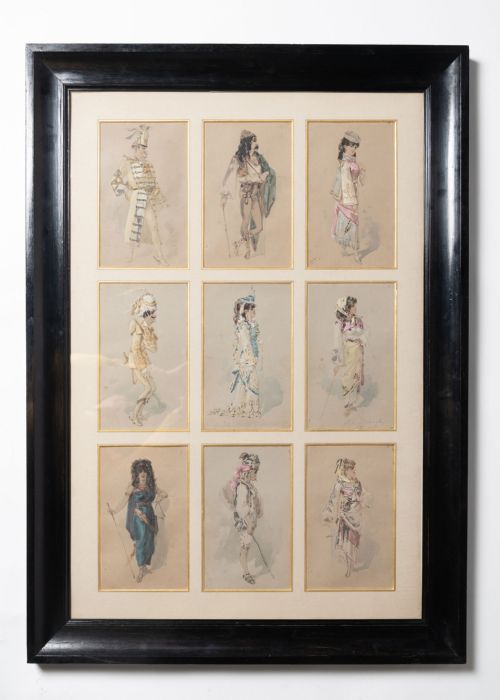
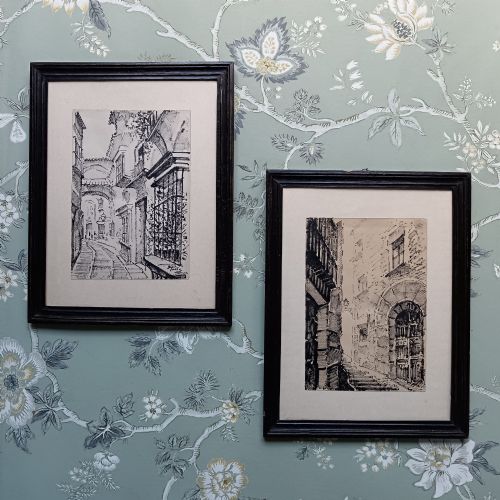
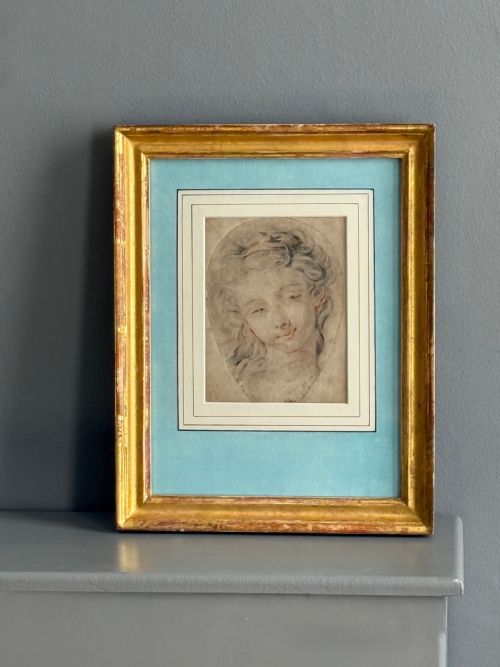
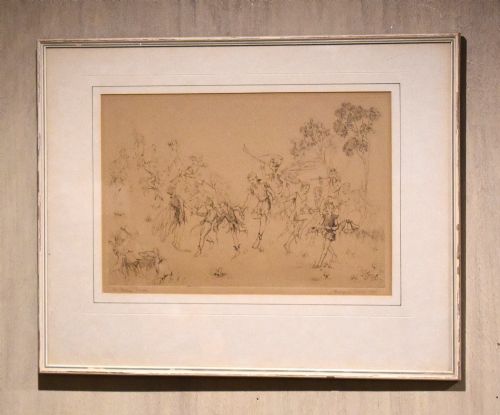
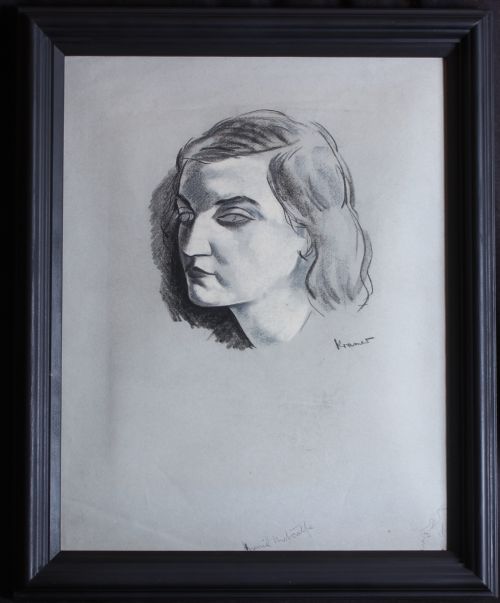
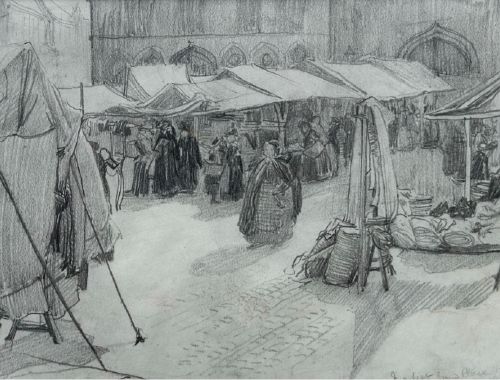
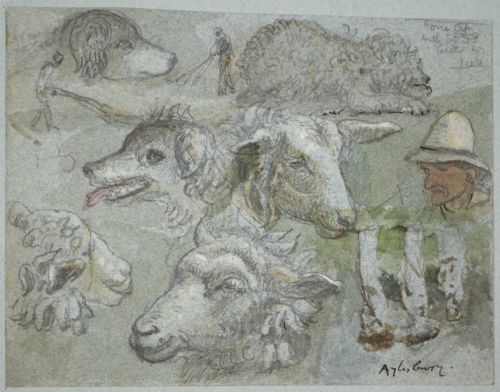
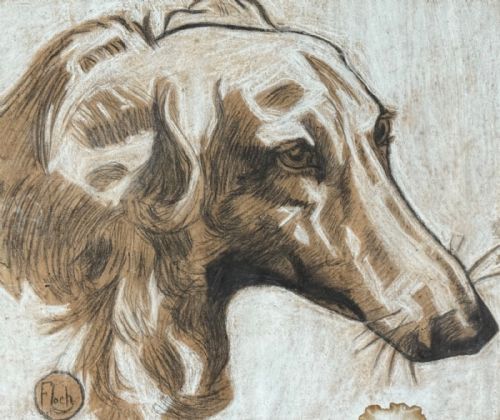
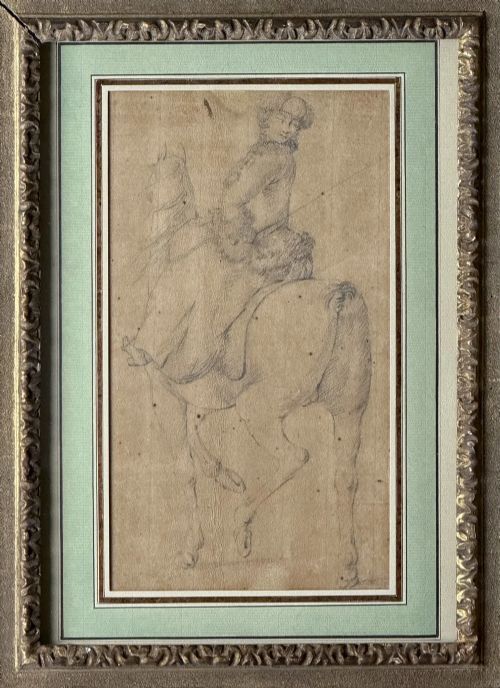
A paper drawing sketch captures the immediate hand of the artist across various historic periods, ranging from eighteenth-century classical studies to mid-century modern compositions. These original works span intimate portraiture, architectural renderings, and landscape studies produced on paper supports.
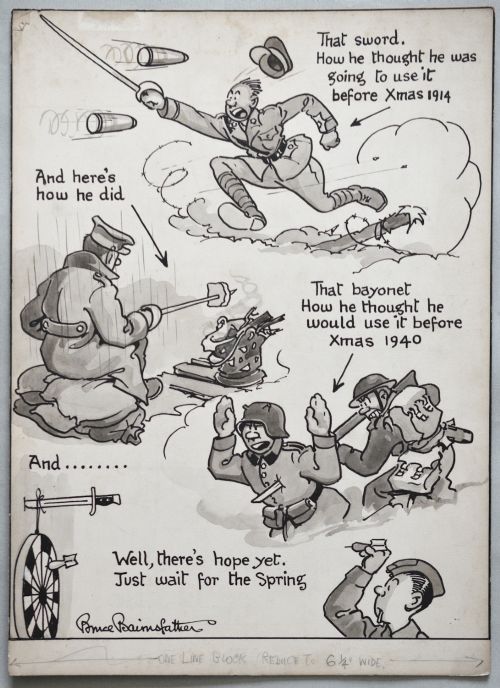
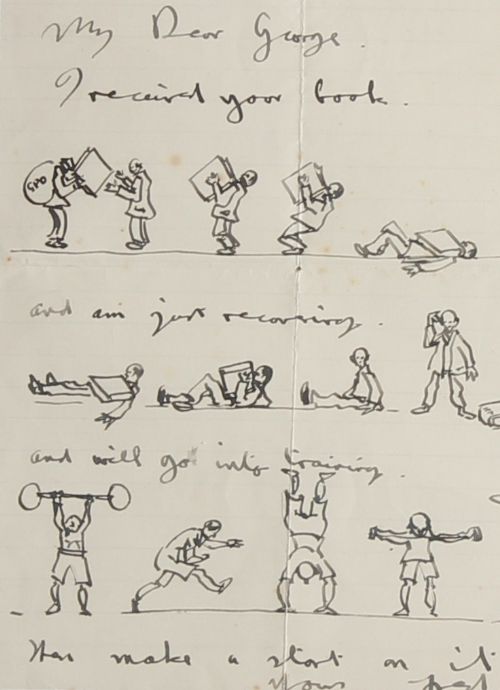
Buyers browsing this selection will most frequently encounter nineteenth-century academic works and early twentieth-century British or European sketches. The inventory encompasses framed artwork, loose sheets, and mixed media pieces executed in ink, graphite, and charcoal.
Materials and technique
Artists historically utilised dry media such as graphite, charcoal, and chalk directly onto paper surfaces to establish preliminary lines and tonal shadows. These materials allow for expressive shading and rapid gestural marks that define the character of an original drawing.
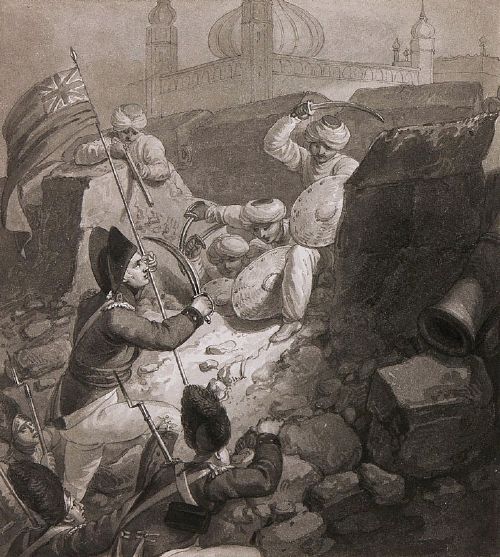
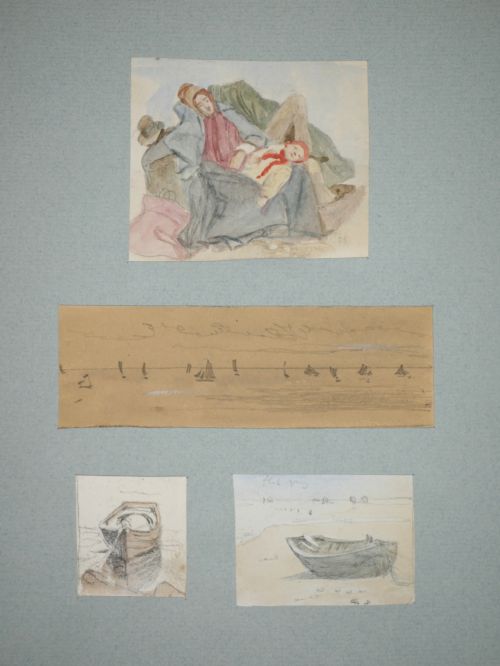
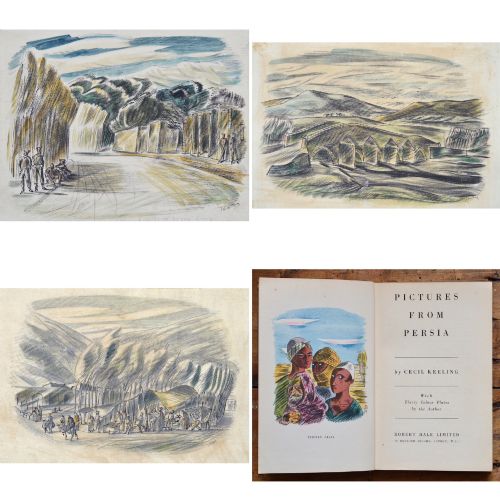
Fluid mediums including pen and ink, watercolour washes, and gouache frequently appear combined with pencil foundations to build depth and colour. Paper supports vary from standard drawing sheets to buff-toned papers and pages attached to canvas stretchers.
Paper Drawing Sketch Retail Price Guide 2026
Typical asking prices for paper drawing sketch among the pieces listed under this phrase on Sellingantiques today, from the lower quarter to the upper quarter. They describe what is for sale here now, not the wider market.
The listings span from the eighteenth century through to mid-century modernism, utilising paper, ink, graphite, charcoal, and watercolour.
Distinctions in quality
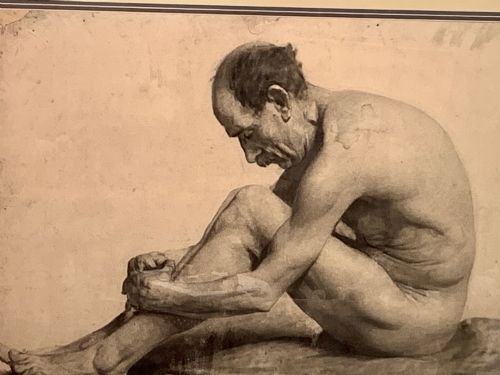
Quality in these works rests upon the surety of the line and the anatomical or structural precision displayed by the hand. Academic studies demonstrate rigorous control over form and shadow, distinguishing fully realised compositions from casual marginalia.
The preservation of the paper support and the vibrancy of fugitive media like watercolour or chalk significantly influence the overall integrity of the piece. Works attributed to documented schools or named practitioners carry clearer contextual weight within the broader scope of historic draftsmanship.
Jacob Kramer·Fred Lawson·Bruce Bairnsfather·William Etty·Dame Laura Knight
The Paper Drawing Sketch Glossary
- Academic Realism
- A style of painting and drawing produced under the influence of European academies of art, prioritising precise anatomical correctness and classical forms.
- Gouache
- An opaque water-based paint that provides solid areas of colour and highlights when applied over ink or pencil drawings on paper.
- Wash
- A thin, transparent layer of diluted ink or watercolour applied with a brush to create tonal depth and shadows in a sketch.
- Buff paper
- A warm, brownish-yellow tinted paper commonly utilised by artists in the nineteenth and early twentieth centuries to provide a mid-tone background for highlights.
- Mixed media
- An artwork combining two or more distinct artistic materials, such as ink, watercolour, and gouache used together on a single paper support.
Paper Drawing Sketch: Frequently Asked Questions
How should I frame an old paper drawing?
Historic drawings require conservation framing with acid-free mount board to prevent chemical degradation of the paper over time. Ultraviolet-filtering glazing protects sensitive mediums like watercolour and coloured chalks from fading under ambient light.
Keeping the paper elevated away from direct contact with the glass prevents humidity condensation and subsequent mould growth. Professional framers ensure the sheet is hinged rather than fully glued so the paper can expand and contract naturally.
Are these works always unique originals?
The inventory consists predominantly of unique, one-off hand-drawn or hand-painted works created directly by the artist. Every stroke of graphite, ink, or charcoal is an original application rather than a mechanical reproduction.
Certain listings may occasionally include period prints or reproductions after established masters, which are specified in the individual item descriptions.
How can I tell the period of a sketch?
Dating relies upon examining the watermark of the paper, the chemical composition of the ink or pigments, and the stylistic conventions of the drawing. Academic nudes often follow strict nineteenth-century instructional canons, while modernist pieces exhibit twentieth-century abstraction.
Signatures, artist inscriptions, and framing remnants often provide additional documentary clues regarding the precise decade of creation.