



Paper Bird Artwork
Paper bird artwork brings together delicate avian subjects and fine works on paper, capturing natural history and artistic skill across several centuries.
Paper Bird Artwork
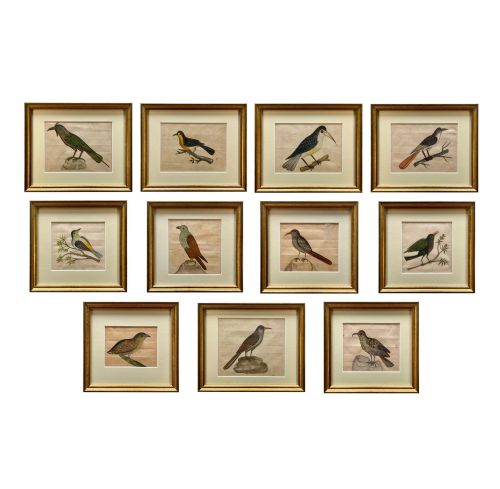
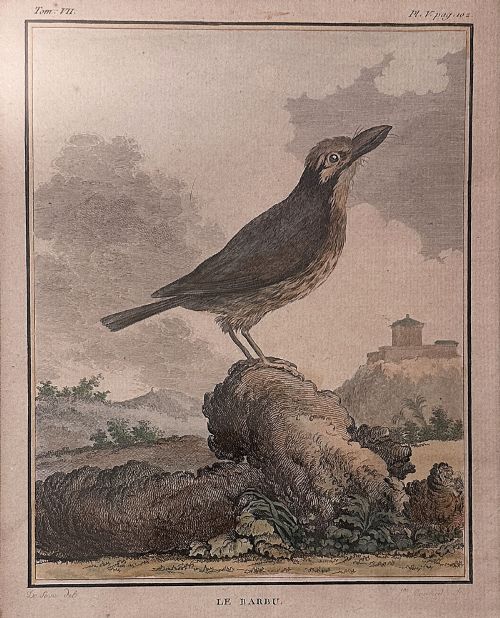
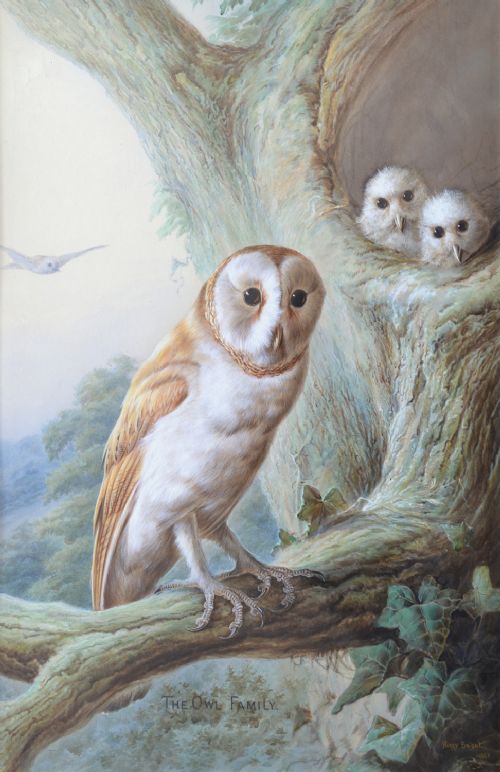
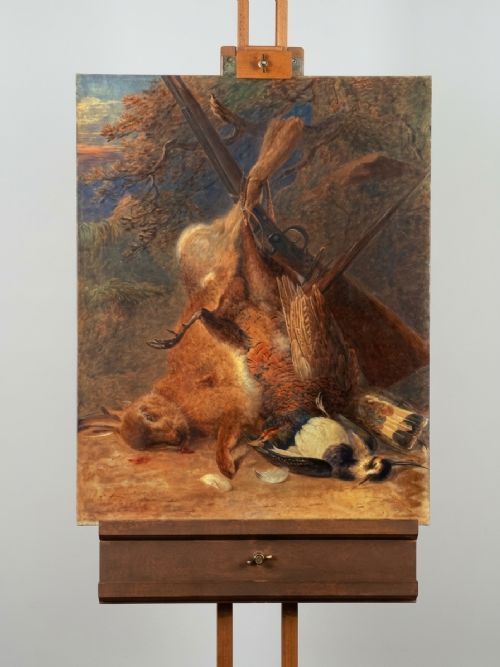
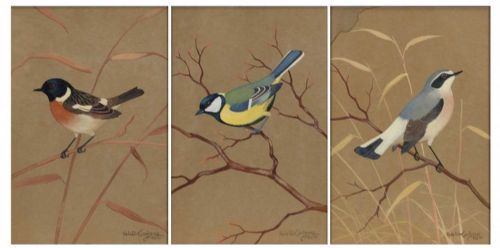
Paper bird artwork encompasses original paintings, prints, and watercolours depicting avian subjects created on paper supports. When searching for paper bird artwork, buyers encounter pieces ranging from early nineteenth-century ornithological studies to mid-century tropical bird prints.
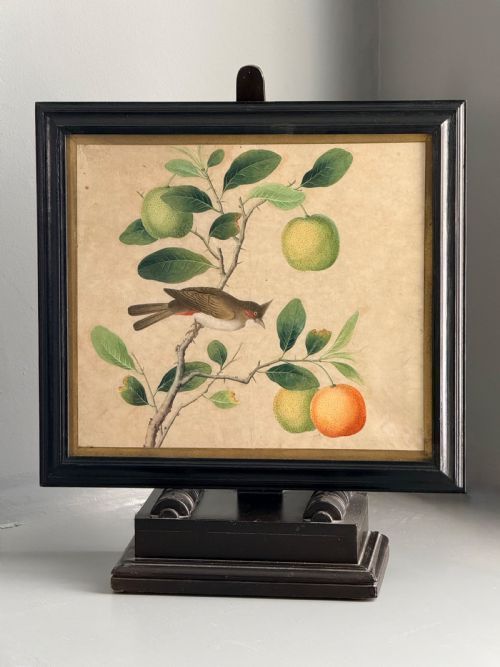
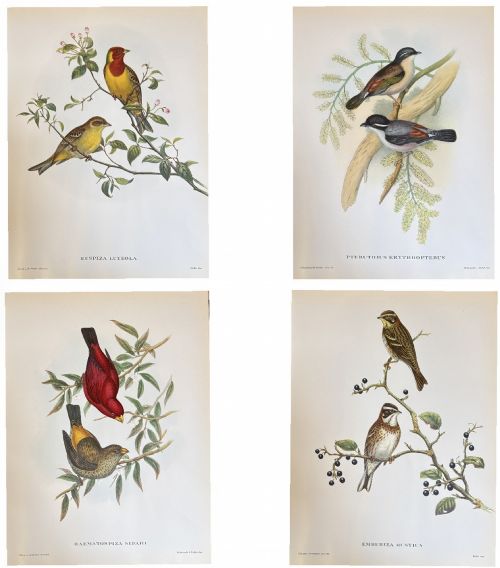
The selections on this page feature diverse forms, including framed watercolours, gouache paintings on pith paper, and lithographs. Victorian and mid-century examples dominate the offerings, reflecting natural history documentation and decorative illustration.
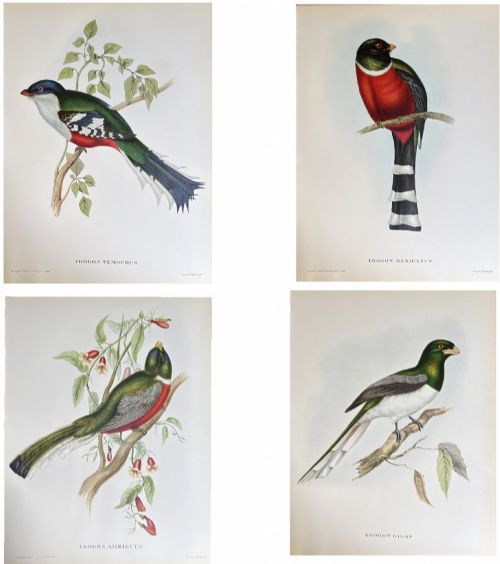
Makers and artists represented span named botanical and wildlife illustrators alongside anonymous draughtsmen. Collectors find both single illustrative sheets and complete sets intended for wall display.
Materials and techniques
Watercolour pigment, gouache, and ink provide the primary colouring for these works, applied directly to paper or specialised pith paper. Artists utilised fine brushes to render detailed feather patterns and anatomical accuracy.
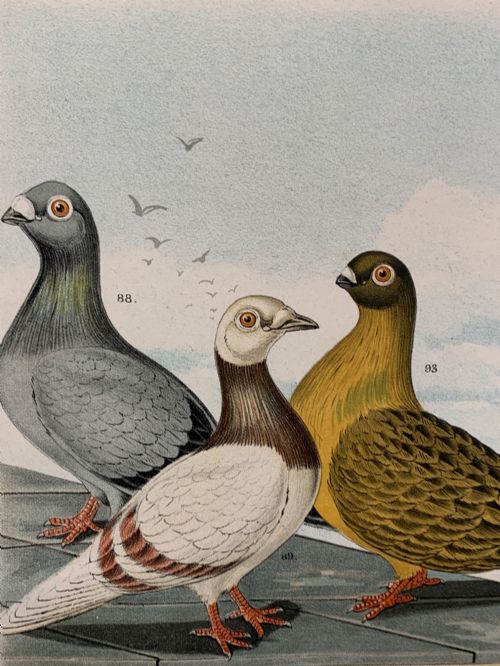
Lithography and printing techniques allowed publishers to produce multi-plate sets of bird prints, often coloured by hand. Framing materials such as maple wood protect the fragile paper supports from environmental damage.
Paper Bird Artwork Retail Price Guide 2026
Typical asking prices for paper bird artwork among the pieces listed under this phrase on Sellingantiques today, from the lower quarter to the upper quarter. They describe what is for sale here now, not the wider market.
Represented periods extend from the eighteenth century through the nineteen-fifties, featuring Victorian and Edwardian works.
Assessing quality and execution
Quality rests upon the precision of the draughtsmanship and the vibrancy of the remaining pigments. Superior pieces display careful observation of the bird's posture and plumage rather than formulaic repetition.
The integrity of the paper support and the clarity of any original framing contribute significantly to the standing of a piece. Complete sets preserved together hold distinct advantages over scattered individual leaves.
Ralston Gudgeon·Paul Louis Barruel·Henry Bird·Arthur E Gonne
The Paper Bird Artwork Glossary
- Pith paper
- A fragile material prepared from the pith of the rice paper plant, utilised for botanical and zoological gouache paintings.
- Lithograph
- A print produced from a flat stone or metal plate treated to retain ink only in desired areas, common in nineteenth-century book illustrations.
- Gouache
- An opaque water-based paint that dries to a matte finish, allowing artists to build dense layers of colour on paper.
- Ornithological study
- A scientific drawing or painting intended to document the appearance and classification of bird species.
Paper Bird Artwork: Frequently Asked Questions
What periods do these pieces span?
The works on this page span from the eighteenth century through the mid-twentieth century, with a strong representation of nineteenth-century natural history illustration.
Individual pieces reflect the prevailing artistic and scientific interests of their respective decades, ranging from Victorian ornithology to mid-century British art.
How were these artworks displayed?
Many of these pieces were originally framed in wood, such as maple, for domestic display or bound within scientific volumes before being separated for individual presentation.
Watercolours and gouaches generally required glass protection to shield the delicate pigments from dust and moisture over the centuries.
Are these works original or prints?
The inventory contains a mixture of unique hand-painted works, including watercolours and gouaches, alongside published lithographic prints and illustrated magazine plates.
Descriptions specify whether a piece is an original drawing or part of a printed set of natural history plates.
How do I care for antique paper art?
Antique paper artwork requires placement away from direct sunlight to prevent the fading of watercolour pigments and the yellowing of the paper support.
Maintaining stable indoor humidity levels protects both the fragile paper and traditional wooden frames from warping or deterioration.