

Paper Book
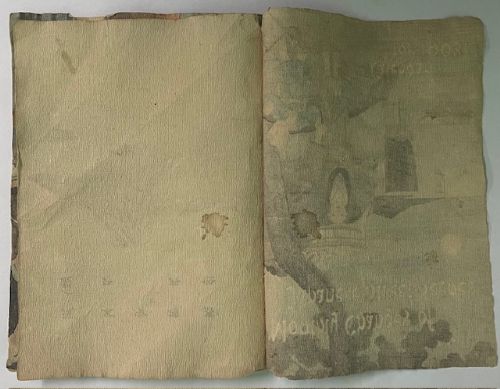
These paper antique book items span presses, folios, prints and leather bindings designed to hold or display historical texts.
Paper Book
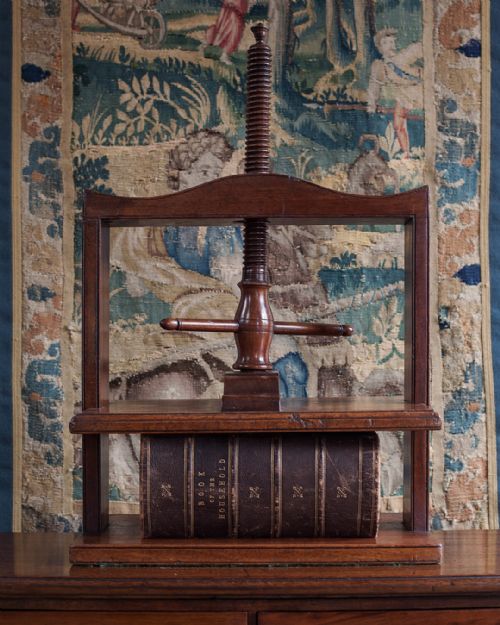
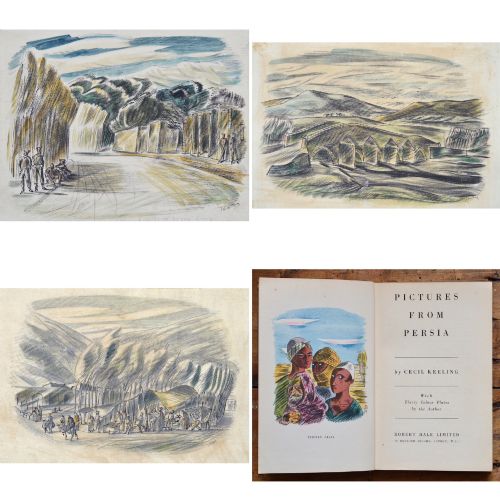
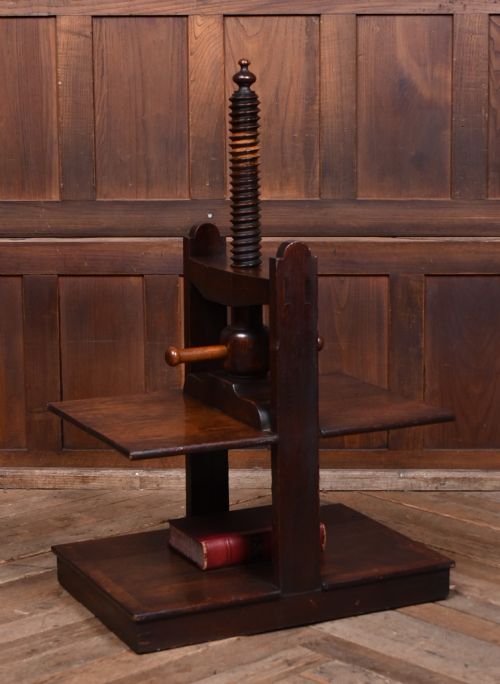
When you search for paper antique book examples, you encounter a mix of functional wooden book presses, leather-bound volumes, and illustrated editions spanning the eighteenth, nineteenth, and early twentieth centuries. The selection encompasses heavy oak and mahogany table-top presses alongside antique French books, Victorian magazines, and first-edition prints.
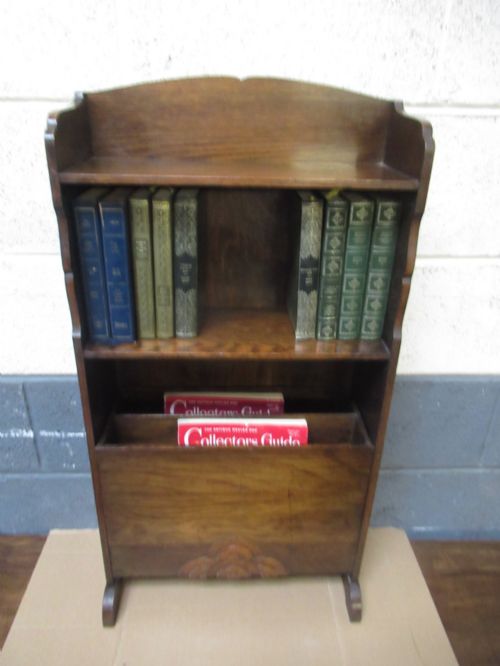
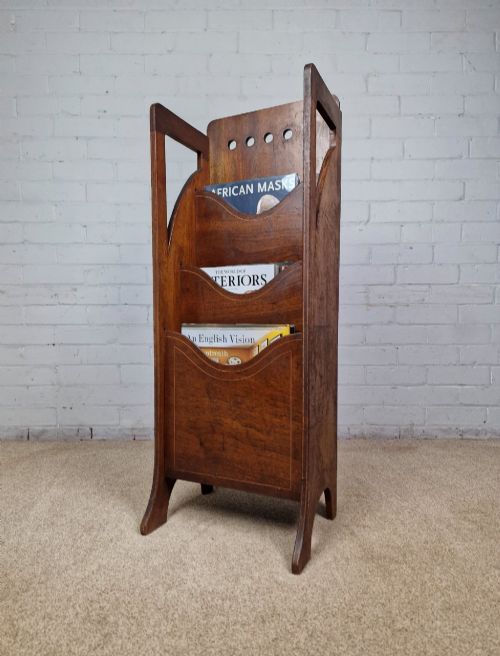
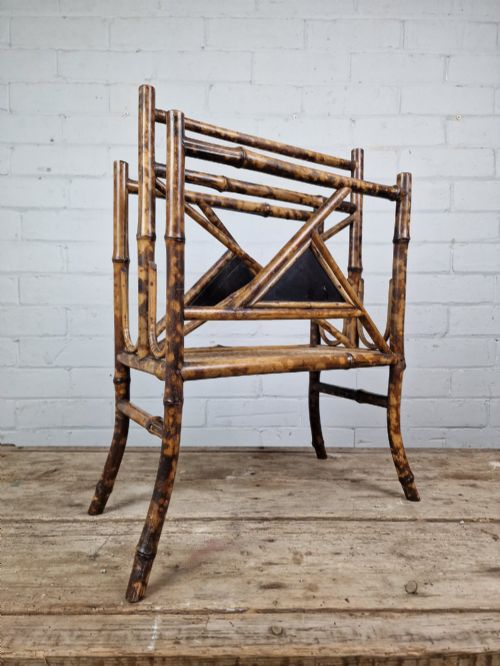
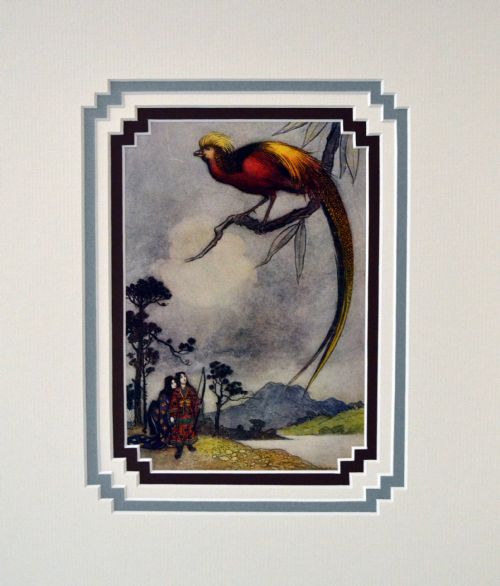
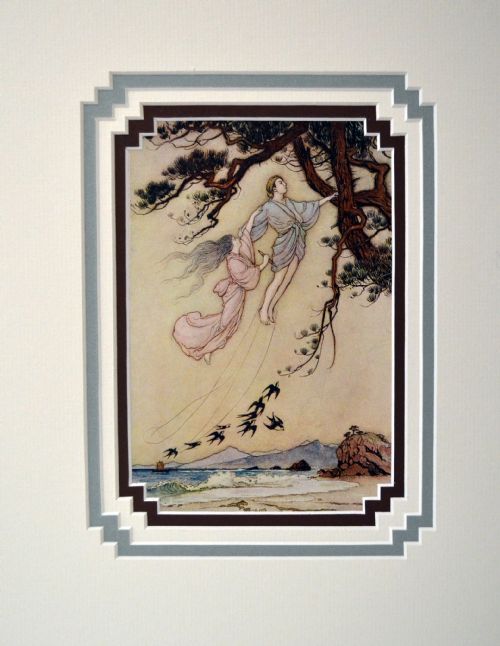
You are most likely to meet Victorian and Georgian pieces, particularly oak and mahogany book presses or magazine racks constructed from bamboo and wood. These functional implements sit alongside antiquarian books, hand-written poetry volumes, and framed prints originating from British and European sources.
Materials and construction methods
The objects combine timber frames with paper, card, and metal components, utilising dense woods such as oak, mahogany, elm, and bamboo. Book presses integrate brass, bronze, and cast iron screws to apply uniform pressure, while paper goods utilise early ink, vellum, and leather bindings.
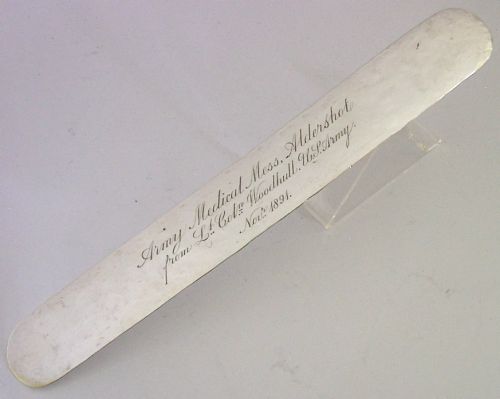
Construction relies on traditional joinery for furniture pieces like magazine racks and cheverets, alongside manual printing techniques for illustrated works and first-edition plates. Metalworking is evident in sterling silver page turners and pewter handles, showing durable assembly meant for daily use.
Paper Book Retail Price Guide 2026
Typical asking prices for paper book among the pieces listed under this phrase on Sellingantiques today, from the lower quarter to the upper quarter. They describe what is for sale here now, not the wider market.
Among the paper handling tools, a four-face pewter and wood page turner from 1880 greets readers with distinct humorous expressions.
Distinctions in craftsmanship and condition
Quality separates through the integrity of timber selection and the precision of mechanical elements in presses, where dense mahogany or oak with intact bronze and brass fittings represents superior manufacture. Finer pieces demonstrate careful hand-binding, crisp ink impressions on early paper, and robust structural joinery without modern replacements.
The distinction also rests on original mounts, harmonious wood patination, and the clarity of decorative details on items such as page turners and magazine stands. Simpler utility items utilise basic pine or lesser card, whereas finer specimens showcase deliberate aesthetic styling and substantial weight.
Liberty & Co
The Paper Book Glossary
- Book press
- A heavy mechanical device utilised for flattening paper, binding volumes, or pressing botanical specimens. It typically employs a wooden or cast iron screw mechanism.
- Cheveret
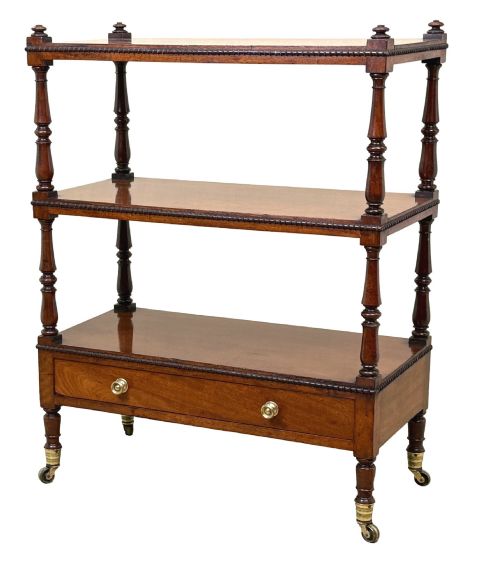
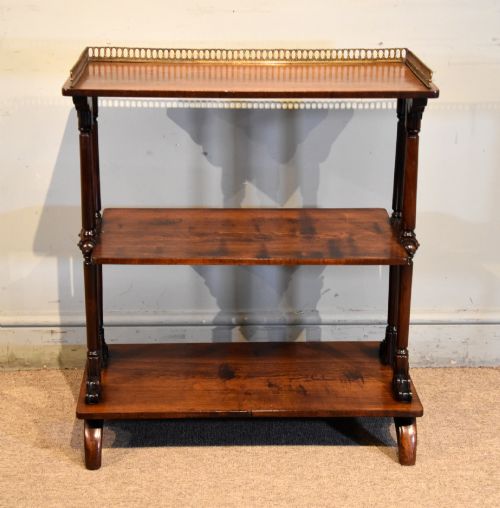
- A small freestanding table or stand featuring compartments and shelves for books and writing materials. Georgian examples often incorporate fine timber veneers.
- Canterbury
- A low wooden stand or rack designed to hold sheet music, magazines, or books. They frequently appear in bamboo or mahogany from the nineteenth century.
- Page turner
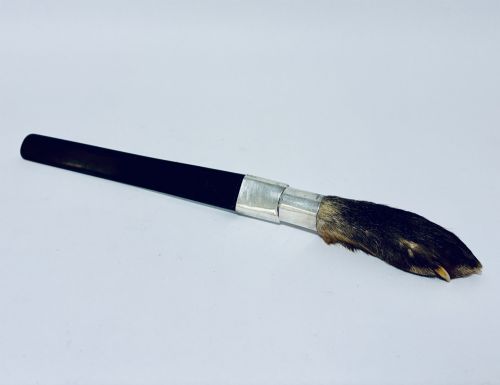
- A handheld implement fashioned from silver, wood, or ivory used to turn delicate leaves without tearing. Elaborate versions include decorative handles and inscriptions.
- Vellum
- A fine parchment prepared from calfskin used for durable historical book bindings. It offers a smooth, cream-coloured surface resistant to wear.
Paper Book: Frequently Asked Questions
What is a paper antique book press used for?
A book press applies steady pressure to flatten warped paper, smooth creases in documents, or assist in the bookbinding process.
Historically, they sat on library or study tables to maintain the condition of paper volumes and flatten printed plates.
How do I date an antique book press?
Dating relies on identifying the timber species, screw mechanism materials, and overall joinery style. Georgian and Victorian examples typically employ heavy mahogany or oak with hand-cut threads.
Later nineteenth-century iterations often integrate cast iron and bronze components alongside industrial framing.
What are magazine racks from this period made from?
Magazine racks and stands from the nineteenth century frequently utilise bent bamboo, oak, or mahogany.
Styles range from Aesthetic Movement bamboo stands to traditional oak floor racks intended to hold Victorian periodicals.
How should I care for antique paper and books?
Keep antique paper items away from direct sunlight and damp environments to prevent fading and foxing on the pages.
Handle leather bindings and delicate vellum with clean, dry hands to preserve the natural oils and structural integrity of the material.