

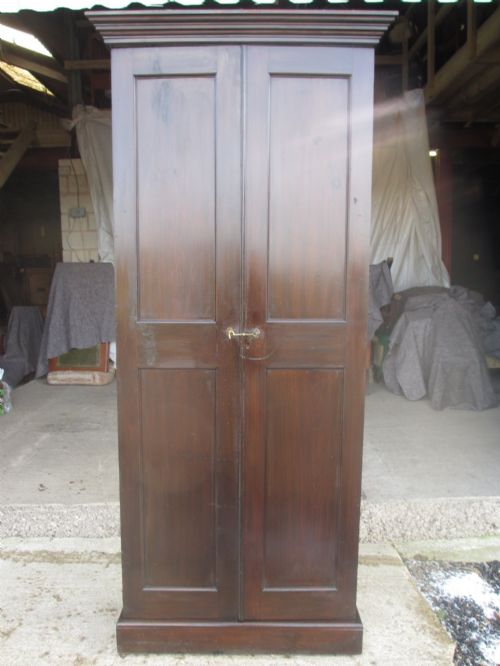
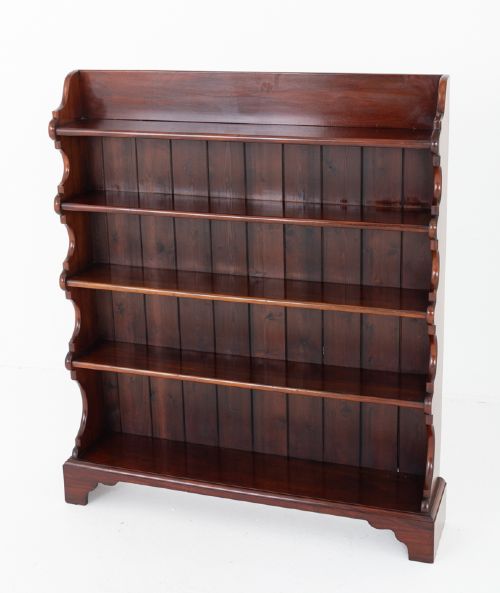
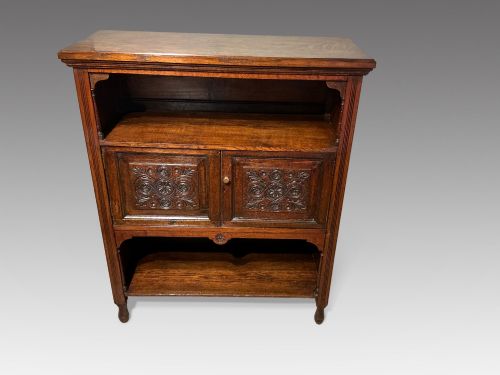
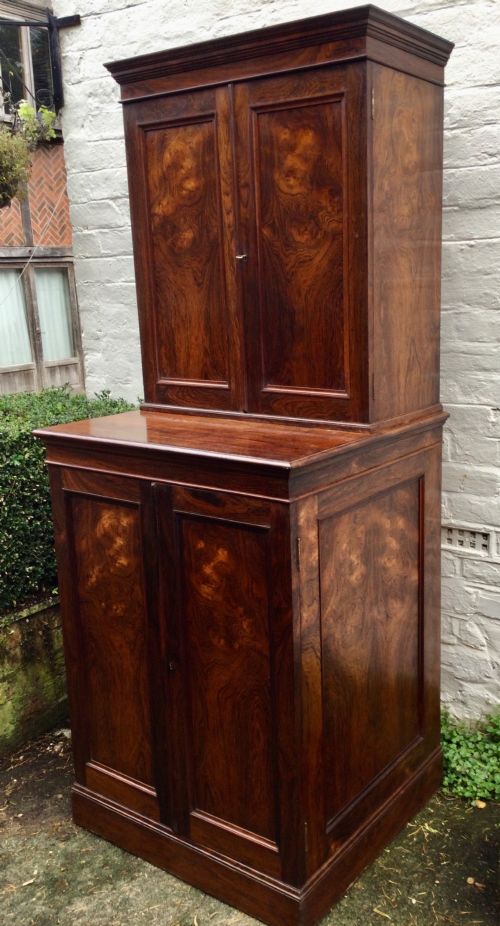


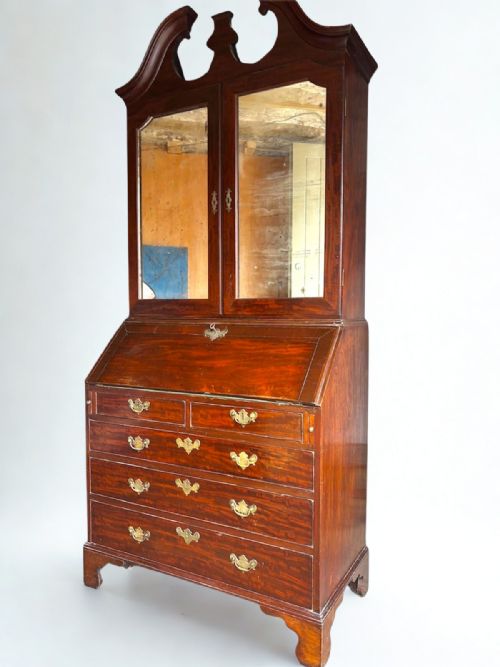
Panelled Wood Bookcase
These panelled wood bookcases and side cabinets bring structural grain and enclosed shelving from the Georgian, Regency, and Victorian eras into daily use.
Panelled Wood Bookcase
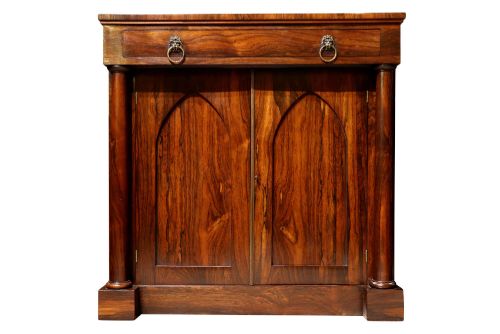
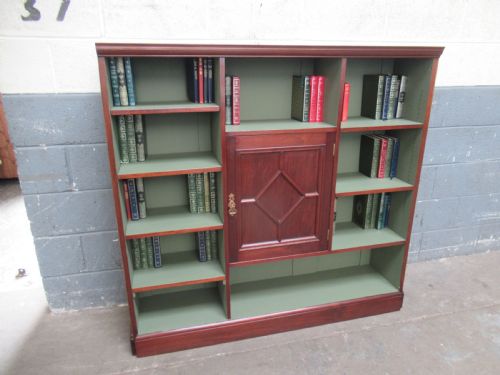
A panelled wood bookcase combines structural timber framing with integrated shelving or cupboard storage, emerging across periods from the Georgian era through to the 1930s. Buyers searching for a panelled wood bookcase encounter diverse forms ranging from large two-part library pieces to compact side cabinets, corner cupboards, and open shelving.
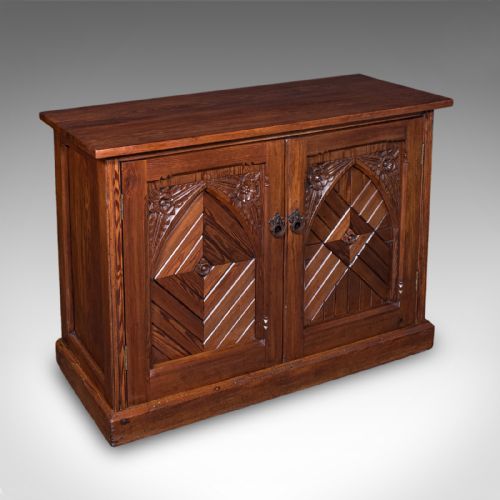
The architectural character of these pieces relies heavily on surface details such as carved, glazed, pleated, or solid wooden panels. Common stylistic influences include Gothic Revival, Jacobean, Tudor Revival, and Regency designs executed in mahogany, oak, and rosewood.
Materials and construction
Makers utilised dense hardwoods such as mahogany, oak, and rosewood, often pairing solid structural framing with fitted wooden panels. Glazing, brass hardware, and iron fittings frequently complement the timber bodies.
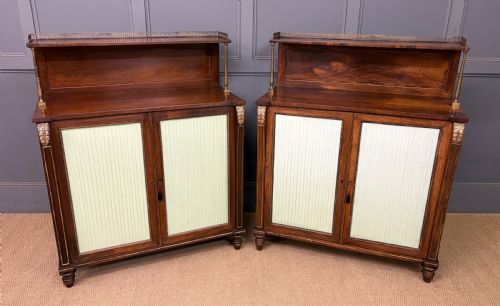
Joinery techniques ranged from straightforward solid oak construction to intricate carved panels and fall-front bureau configurations. Secondary elements like fabric-backed or pleated chiffon panels appeared in Regency and Victorian side cabinets.
Panelled Wood Bookcase Retail Price Guide 2026
Typical asking prices for panelled wood bookcase among the pieces listed under this phrase on Sellingantiques today, from the lower quarter to the upper quarter. They describe what is for sale here now, not the wider market.
Listings include mahogany, oak, and rosewood timbers across Georgian, Victorian, and Edwardian periods.
Assessing quality
Quality rests upon the selection of timber and the precision of the joinery, distinguishing heavy library bookcases from lighter side cabinets. The integrity of the wooden panels and the integration of glass or brass elements determine the refinement of the piece.
Regional execution and stylistic adherence, whether in a formal Georgian mahogany bureau or a sturdy Jacobean style oak corner cabinet, dictate the overall balance and proportion of the furniture.
Heals
The Panelled Wood Bookcase Glossary
- Chiffonier
- A low sideboard or cabinet featuring enclosed cupboards below, developed during the Regency and Victorian periods.
- Bureau bookcase
- A writing desk combined with an upper bookcase, often featuring a fall-front writing flap and glazed or panelled doors.
- Corner cabinet
- A storage piece specifically constructed to fit into the corner of a room, utilising triangular shelving and single or double panelled doors.
- Gothic Revival
- A nineteenth-century design style incorporating medieval architectural motifs such as pointed arches and pointed tracery into wooden cabinetry.
Panelled Wood Bookcase: Frequently Asked Questions
What periods do these bookcases span?
The selection encompasses pieces from the Georgian, Regency, Victorian, and Edwardian eras, extending into early twentieth-century revivals.
Craftsmanship reflects the prevailing aesthetic of each decade, from clean mahogany lines to heavy carved oak.
How were panelled bookcases used?
These cabinets served primarily in libraries and parlours to store volumes, display porcelain, and conceal household items behind wooden doors.
Many incorporated glazed sections for display alongside enclosed panelled compartments for secure storage.
What woods are commonly found?
Mahogany, oak, and rosewood dominate the construction, often supplemented by brass fixtures and glass panels.
Pine and iron also appear in internal framing or secondary elements.
How do revival styles differ from originals?
Revival pieces from the late nineteenth and early twentieth centuries emulate earlier Tudor, Jacobean, and Gothic forms.
They apply historicising details like carved panels to standard forms of their own contemporary production eras.