


Panelled Wall Cupboard
A panelled wall cupboard solves storage by mounting securely to empty vertical space, offering traditional timber joinery and compact utility.
Panelled Wall Cupboard
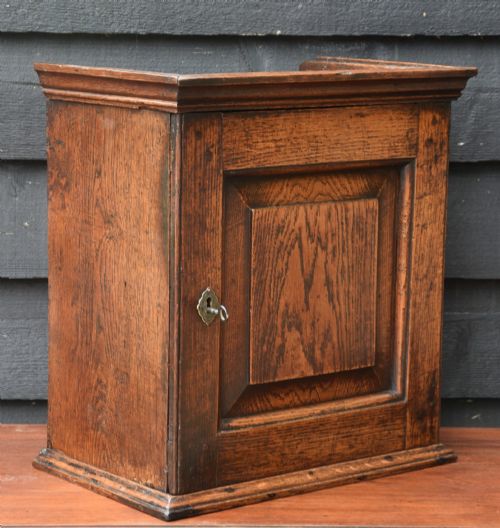
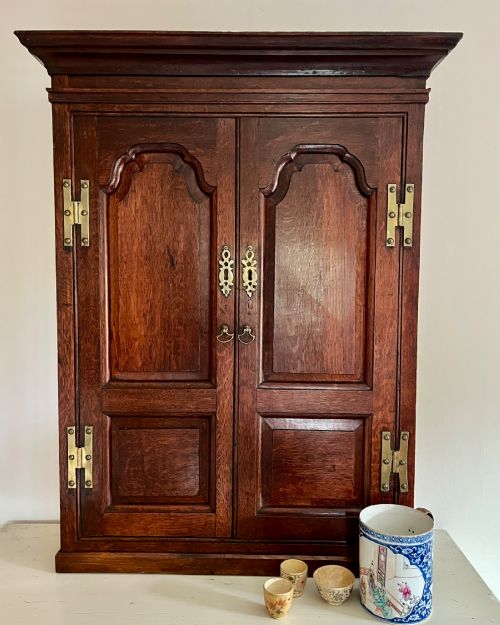
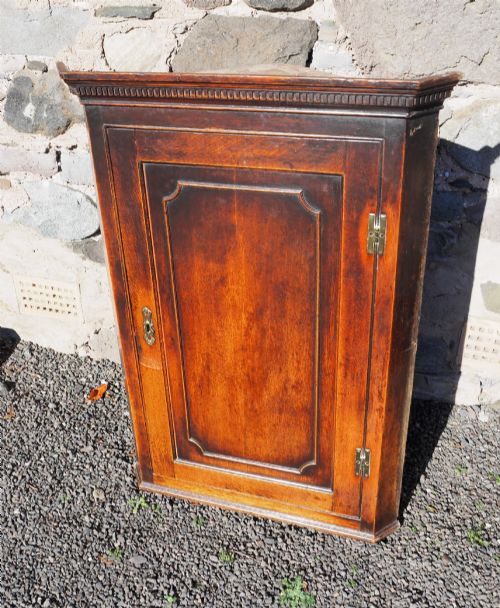
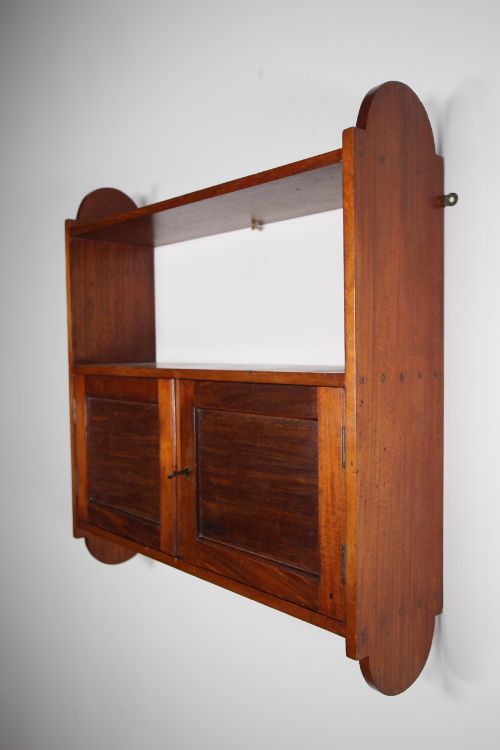
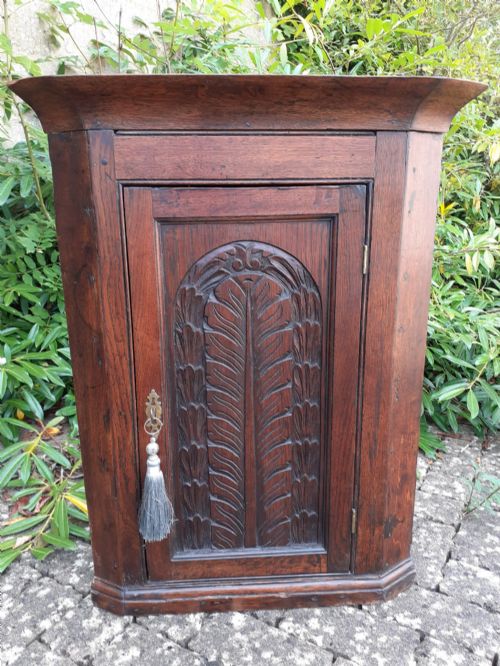
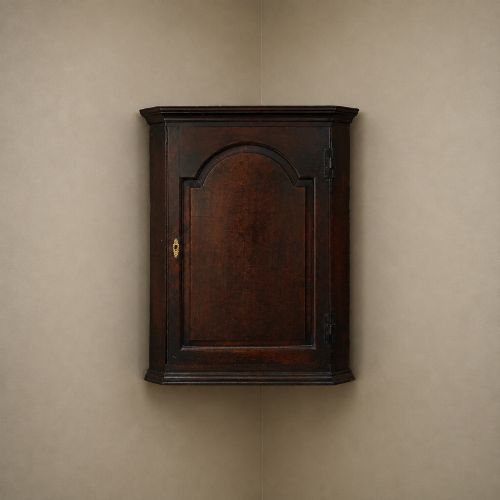
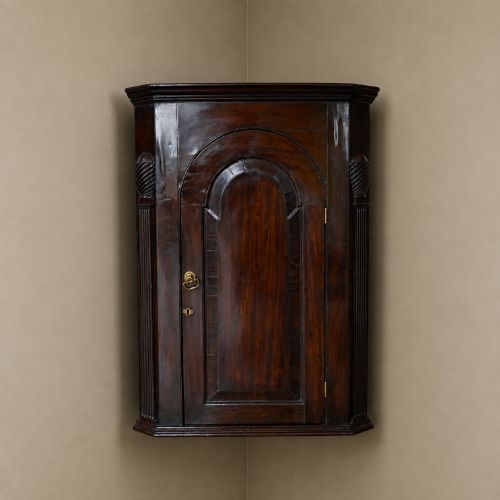
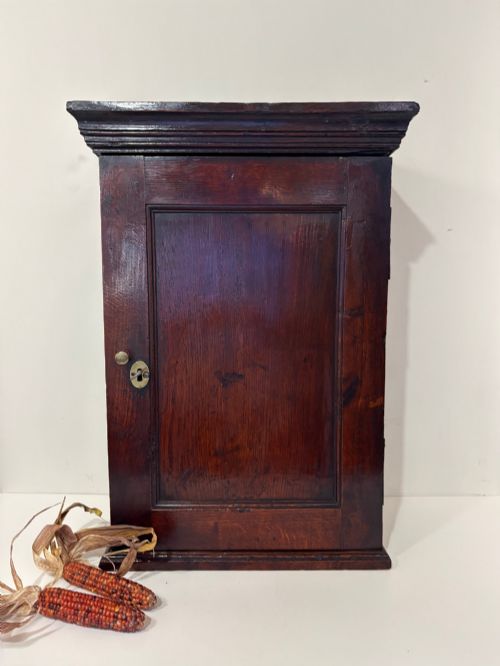
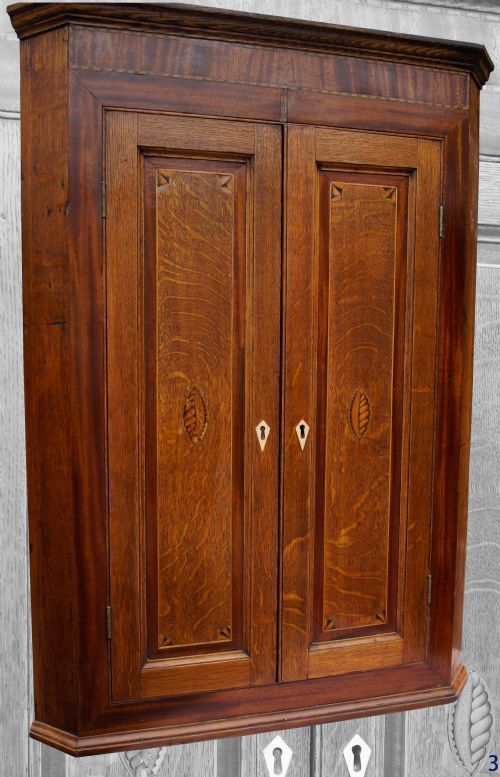
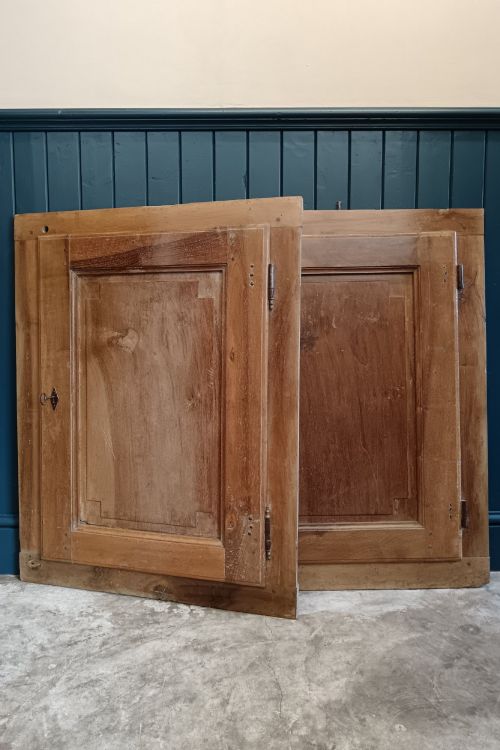
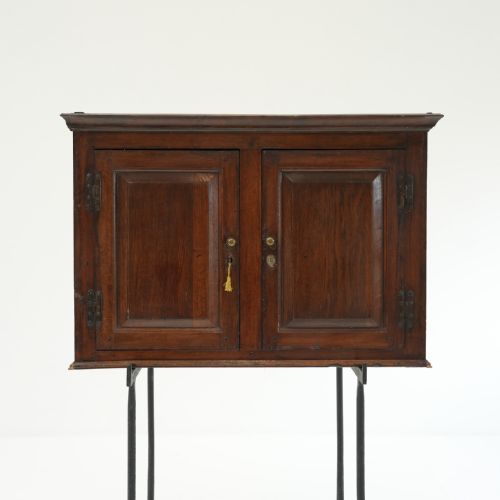
When someone searches for a panelled wall cupboard, they encounter hanging corner cabinets, spice cupboards, and flat wall cabinets originating from periods ranging through the eighteenth and nineteenth centuries. The majority of these pieces are constructed from oak, often reflecting Georgian vernacular styles or Welsh and French provincial origins.
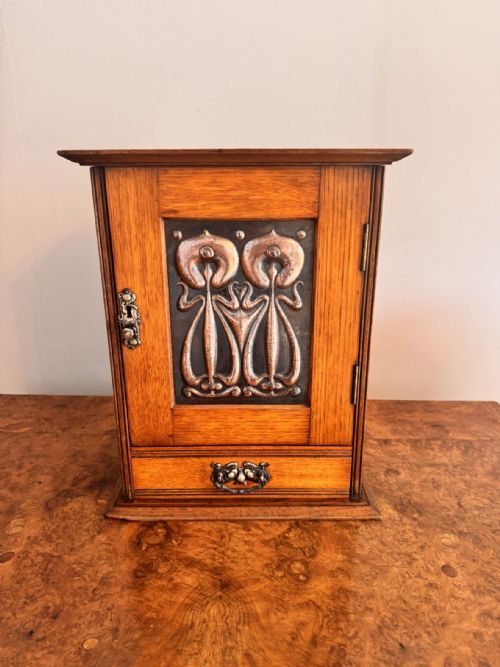
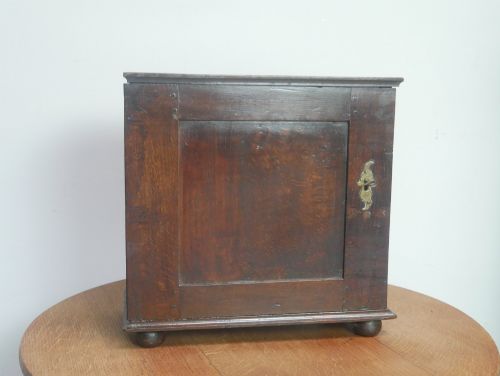
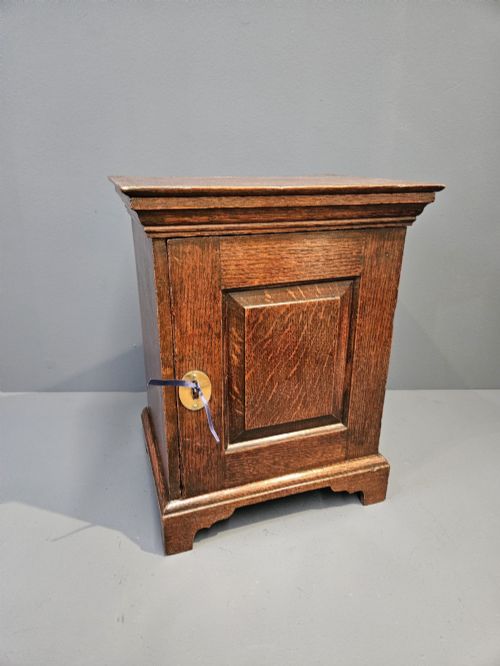
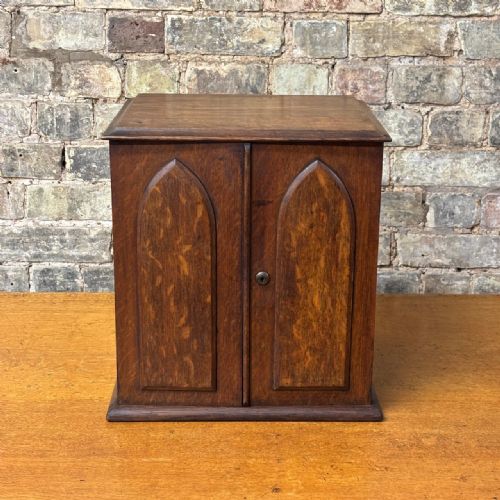
The selection includes specialised variations such as corner units designed to fit room junctions, small table cabinets, and architectural elements including cupboard doors and frames. Pieces from the Georgian era and earlier eighteenth century dominate the forms, alongside nineteenth-century iterations in pine, mahogany, and walnut.
Buyers frequently find regional pieces, such as Welsh oak hanging corner cupboards or French provincial bleached oak furniture, which demonstrate local timber traditions. Smaller formats like spice cupboards and hanging wall cabinets provide accessible examples of these historic storage solutions.
Materials and construction
Timbers like oak, mahogany, walnut, and pine form the structural foundation of these cabinets, frequently shaped into panels and frames by period cabinetmakers. Workshop methods relied on solid hardwoods joined to withstand regular opening and closing.
Metal components such as brass and iron provide functional hinges and latches, while occasional paint finishes or bleached treatments alter the surface appearance of the wood. Carved details and gothic panel doors appear on specific regional and revival pieces.
Panelled Wall Cupboard Retail Price Guide 2026
Typical asking prices for panelled wall cupboard among the pieces listed under this phrase on Sellingantiques today, from the lower quarter to the upper quarter. They describe what is for sale here now, not the wider market.
Listings feature oak predominantly, alongside mahogany, walnut, and pine across Georgian and Victorian periods.
Assessing quality and craftsmanship
The standard of a panelled wall cupboard rests upon the crispness of its timber panelling and the integrity of its original joinery. Finer examples display thoughtful grain selection in woods such as burr oak or mahogany, coupled with hand-carved elements that show deliberate proportion.
The presence of original brass or iron hardware and unaltered hanging mechanisms distinguishes superior examples from those with extensive modern replacements. Regional character, such as Welsh or French provincial detailing, further separates standard utilitarian items from exceptional vernacular pieces.
Heals
The Panelled Wall Cupboard Glossary
- Panelled wall cupboard
- A storage cabinet designed to be hung on a wall, featuring inset panels within a frame. These pieces save floor space while keeping contents enclosed.
- Hanging corner cupboard
- A specialised cabinet built with an angled back to fit neatly into the corner of a room. They make use of dead space in traditional interiors.
- Spice cupboard
- A small, diminutive wall cabinet traditionally fitted with internal drawers or small compartments. They held precious household provisions and herbs.
- Vernacular
- Architecture or furniture built by local craftsmen using regional materials and traditional styles rather than high-fashion academic designs. These pieces reflect local domestic needs.
- Chippendale Revival
- A late nineteenth-century design movement recreating the mid-eighteenth-century aesthetic associated with Thomas Chippendale. Pieces in this style emulate earlier cabinetmaking motifs.
Panelled Wall Cupboard: Frequently Asked Questions
What is a panelled wall cupboard?
A panelled wall cupboard is a small storage unit built to hang directly on a wall rather than stand on the floor. They use framed panels on their doors and sides to provide structural stability.
These cabinets date largely from the eighteenth and nineteenth centuries, serving traditional domestic roles in kitchens, living spaces, and hallways.
How were wall cupboards used historically?
Historically, these cupboards held valuable household items, small provisions, or spices away from damp floors and pests. Corner variants utilised unused room angles to maximise storage in smaller chambers.
Smaller spice cupboards kept precious ingredients secure, while larger hanging cabinets stored daily tableware or documents within easy reach.
How do I hang an antique wall cupboard safely?
Hanging an antique wall cupboard requires locating secure wall studs or masonry supports behind the plaster. The original hanging brackets or plates on the back of the cabinet must bear the primary load.
Modern concealed fixings can sometimes supplement historic hardware to ensure the piece remains stable against the wall without straining ancient timber.
How can I tell the period of a cabinet?
Dating relies on examining the timber species, construction joints such as hand-cut dovetails, and the style of the panel mouldings. Georgian pieces often display specific proportions and oak or mahogany construction.
Hardware types, including hand-beaten iron hinges or early brass screws, offer further clues to the manufacturing era alongside any regional stylistic traits.