
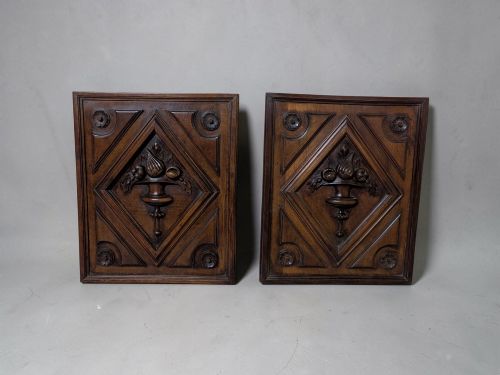
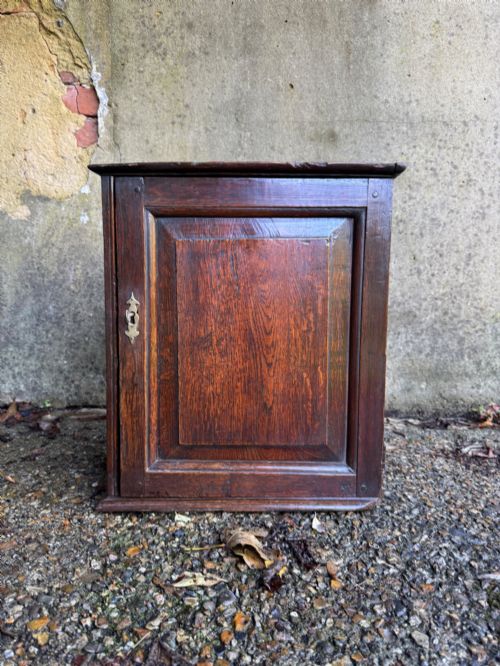

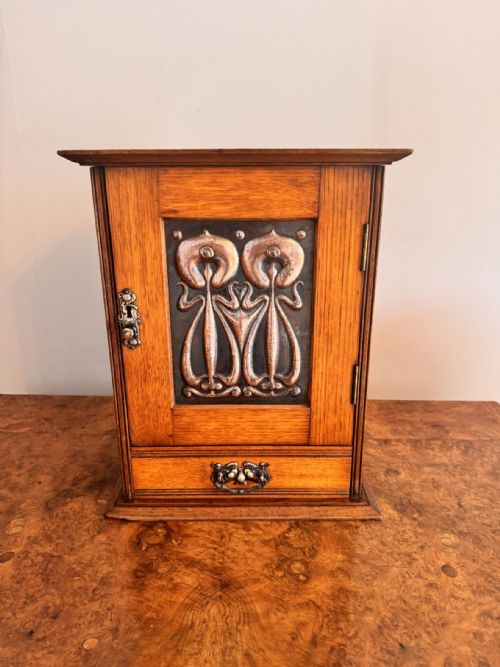
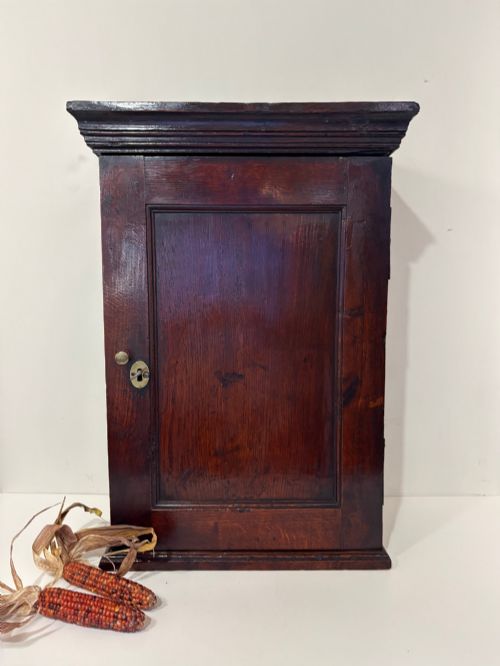
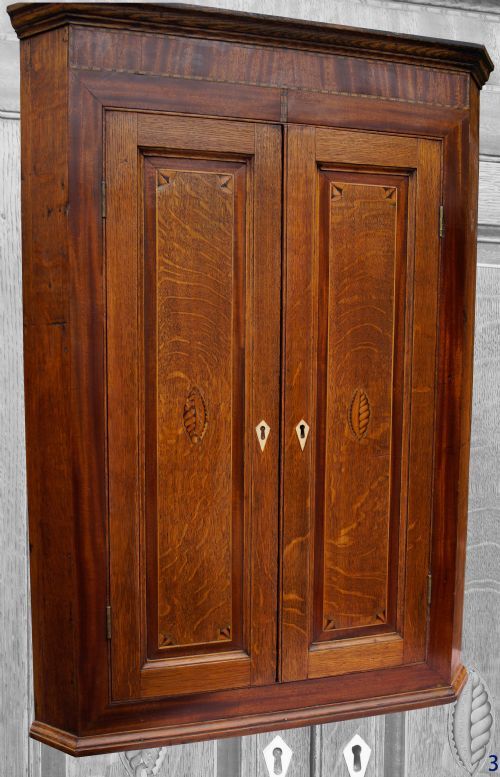
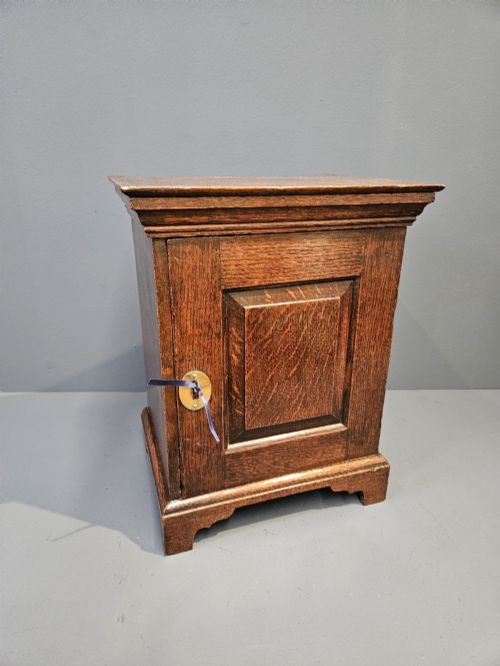
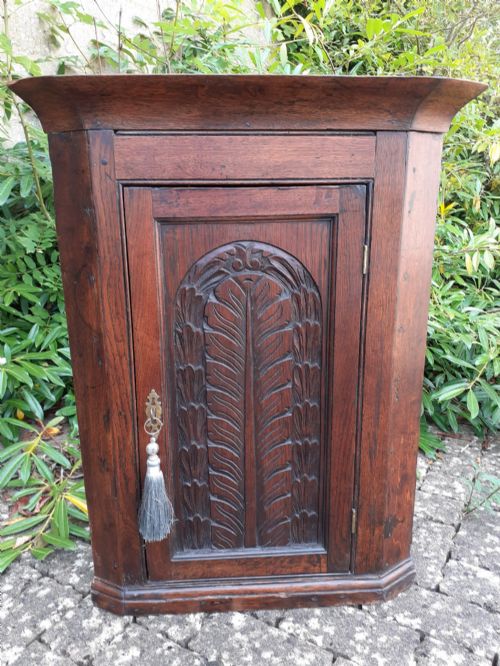
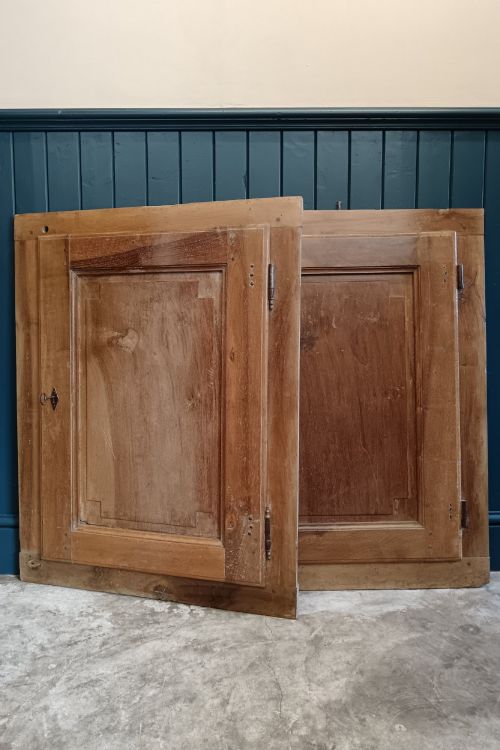
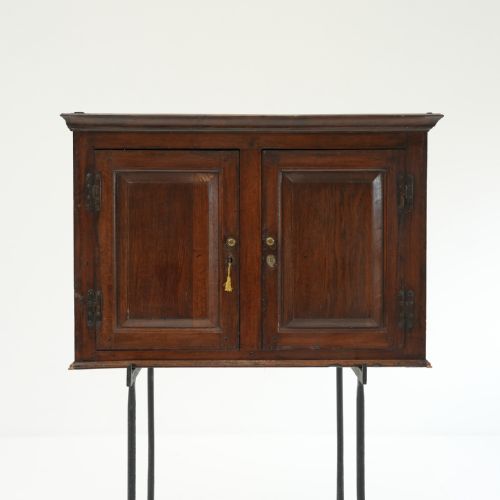
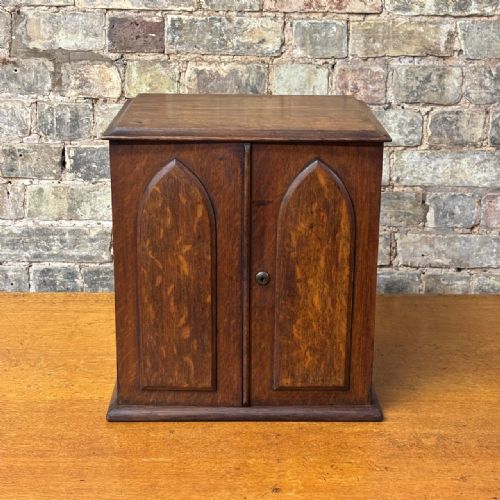

Panelled Wall Cabinet
Panelled wall cabinet designs span centuries of clever storage, offering compact timber shelving and corner cupboards built to last.
Panelled Wall Cabinet
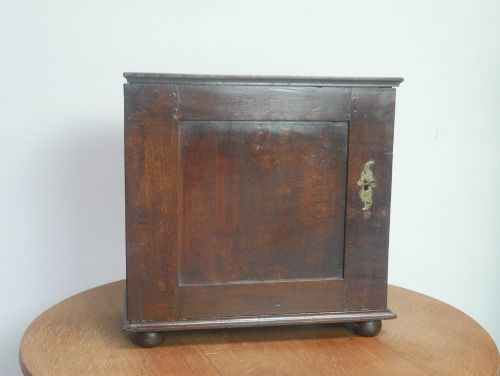
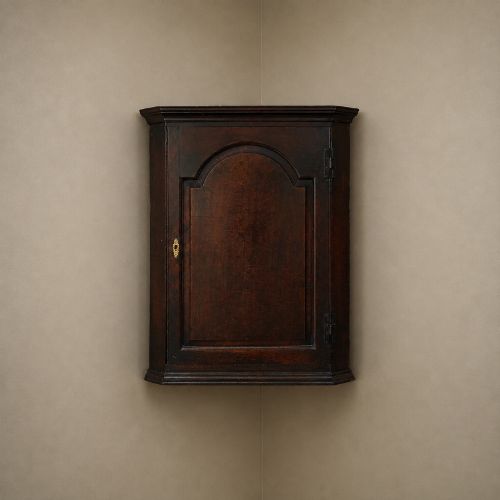
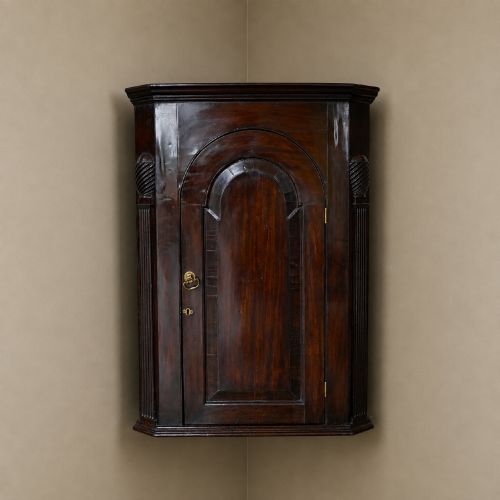
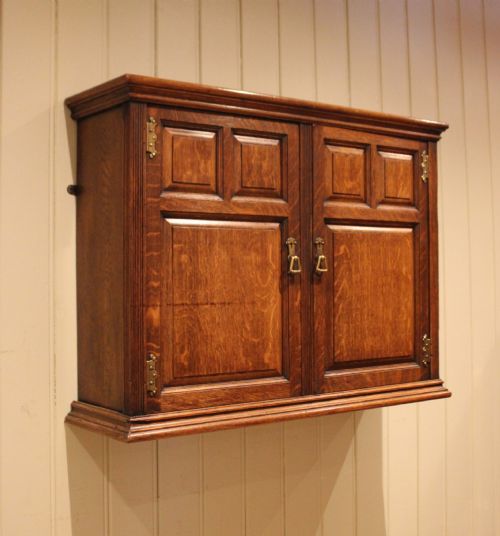
A panelled wall cabinet is a compact storage piece designed to hang on a wall or fit neatly into a corner. Buyers seek these items for their practical storage and traditional timber presence in domestic spaces.
The selections available here lean heavily towards oak and mahogany constructions from the Georgian and 18th century periods. Many examples take the form of corner cupboards and small spice cabinets featuring panelled doors.
How they were made
Cabinet makers relied predominantly on solid oak, mahogany, walnut, and pine, shaping timber with hand tools to build sturdy carcasses and doors. Panels were typically set into grooved frames to allow for natural wood movement across seasons.
Hardware played a functional role, with brass hinges and iron latches securing doors that often featured raised or carved wooden panels. Some surfaces received paint, while others displayed the natural grain of fruitwood or burr oak.
The listings feature multiple timber varieties including oak, mahogany, walnut, pine, fruitwood, and limewood across Georgian and Victorian periods.
What varies in quality
Quality rests in the selection of the timber and the precision of the joinery within the frame and panel construction. Finer examples display tight mitres, well-fitted doors, and thoughtful proportions that reflect the skill of the original maker.
The handling of carved details and the preservation of original brass fittings separate standard utility pieces from more ambitious cabinet work. Surface condition also plays a part, distinguishing pieces with clean, honest patination from those with heavy alterations.
The Panelled Wall Cabinet Glossary
- Panel
- A central wooden section fitted within a surrounding frame to prevent splitting. This traditional method accommodates seasonal expansion and contraction of the timber.
- Corner Cupboard
- A storage unit shaped specifically to fit into the angle of a room. These clever forms maximise floor space while providing enclosed shelving.
- Spice Cupboard
- A small hanging cabinet traditionally used for storing culinary goods and valuable dry ingredients. They frequently feature interior drawers behind a single panelled door.
- Patina
- The surface sheen and coloration developed by wood over long periods of handling and exposure. It serves as an indicator of age and consistent maintenance.
- Carcase
- The main structural body or frame of a cabinet without doors or fittings. Its construction stability underpins the longevity of the entire piece.
Panelled Wall Cabinet: Frequently Asked Questions
How do I hang a heavy oak wall cabinet?
These timber cabinets require secure fixings into wall studs or masonry to support their substantial weight safely. Using appropriate brackets and heavy-duty screws ensures the piece remains stable over time.
Professional installation is often recommended for older solid wood cupboards to prevent strain on the historical hanging points.
What is the difference between a corner cabinet and a wall cupboard?
Corner cabinets are specifically built with angled sides to nest into room junctions, whereas standard wall cupboards feature flat backs for flat wall placement. Both types utilise panelled doors to conceal interior shelving.
Choosing between them depends on floor plan geometry and available wall space within your room.
How do I clean antique oak panels?
Dust timber surfaces regularly with a soft, dry cloth to prevent particulate buildup in the carved recesses and panel grooves. Avoid harsh chemical cleaners that strip the historic finish and dry out the wood.
Applying a traditional beeswax occasionally helps nourish the grain and maintain the natural lustre of the cabinet.
Can these cabinets hold heavy items?
Historic wall cabinets were generally constructed for lightweight provisions like spices, ceramics, or glassware rather than heavy books. The interior fixed shelves are secured for moderate domestic use.
Checking the internal shelf supports will give you a clear indication of the weight capacity suitable for each individual cupboard.