


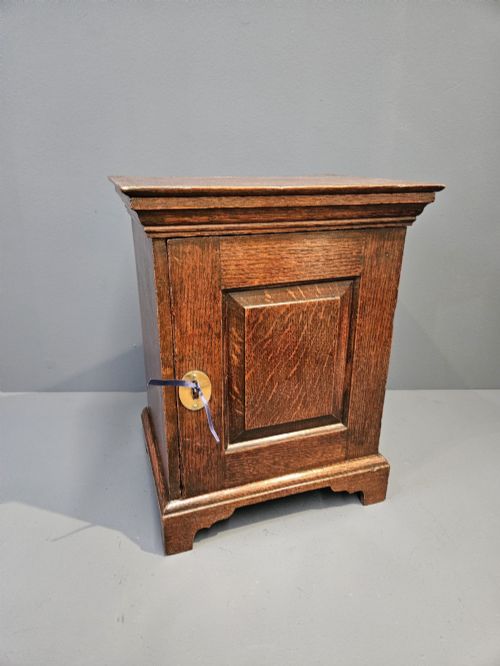
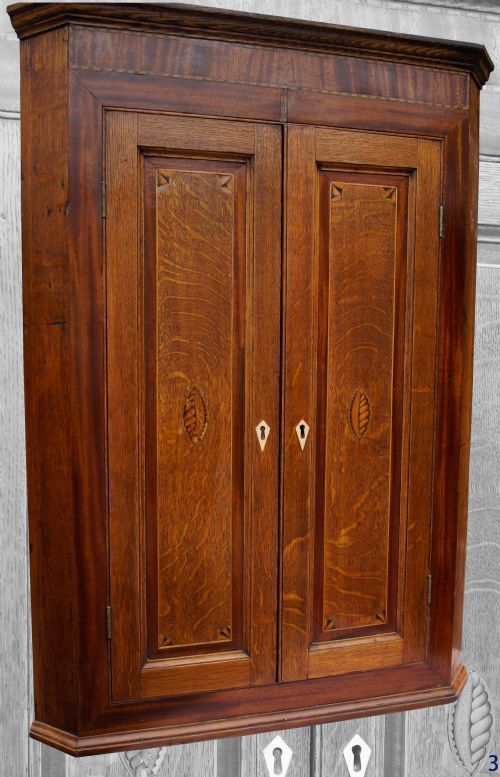

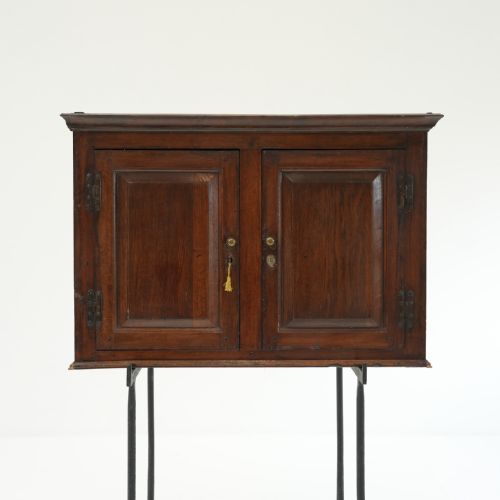


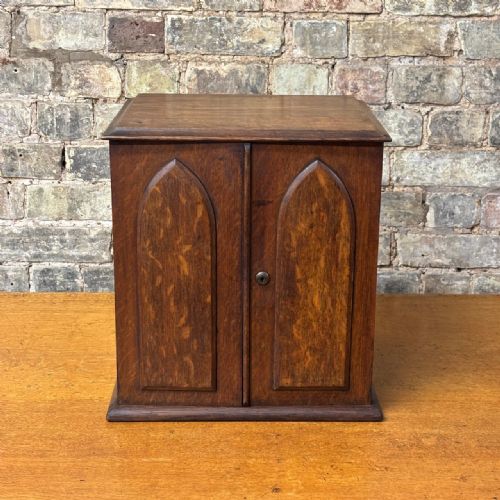
Panelled Oak Wall Cabinet
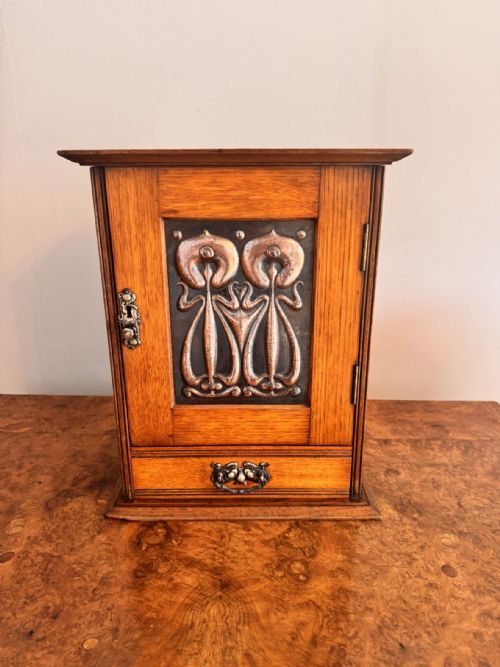
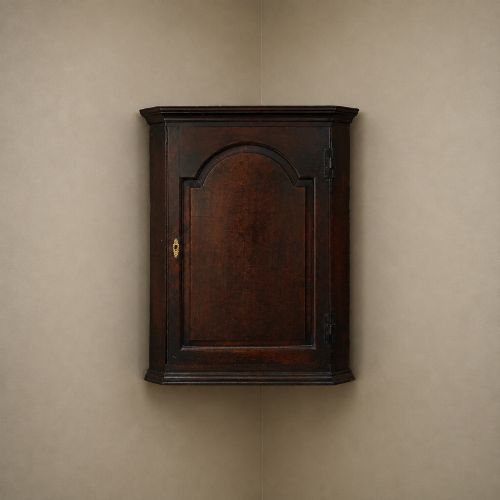
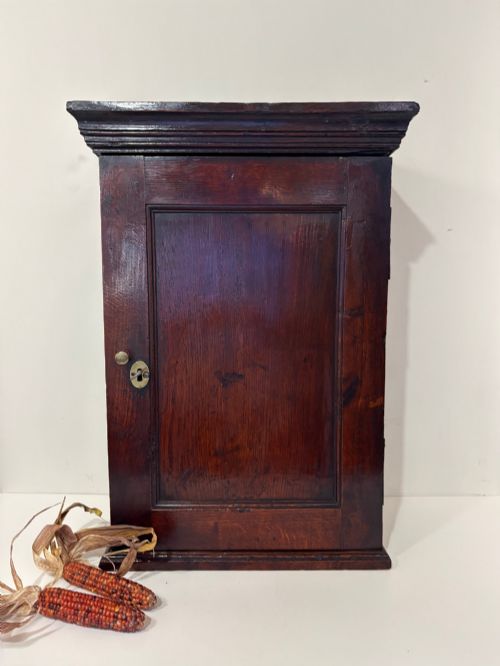
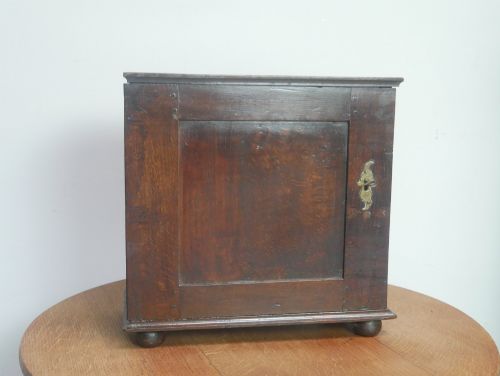
A panelled oak wall cabinet brings robust country storage into a room, joining practical hanging space with rich timber grain.
Panelled Oak Wall Cabinet
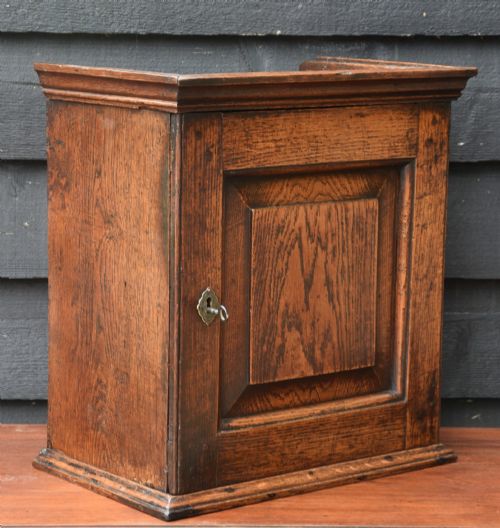
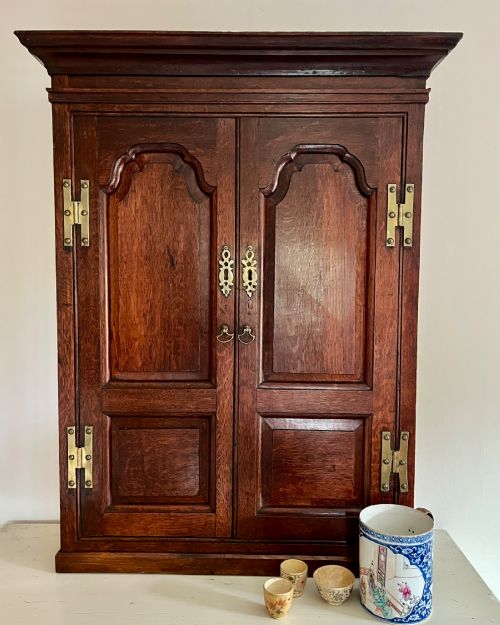
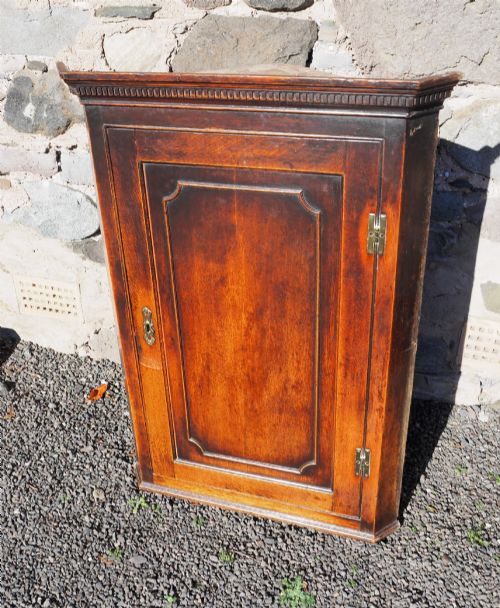
When you search for a panelled oak wall cabinet, you encounter sturdy hanging cupboards and corner units originating mostly from the Georgian period and the eighteenth century. These pieces served practical domestic purposes in regional homes, frequently housing spices, dry goods, or household valuables upon interior shelves.
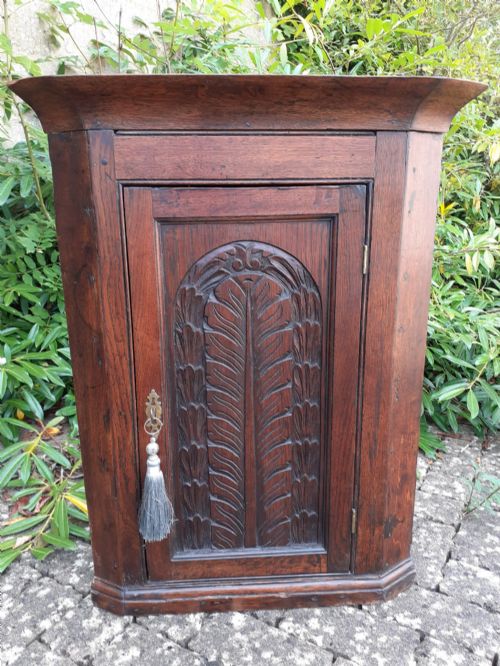
Beyond standard corner units, the selection includes architectural salvage elements such as carved oak door panels and occasional nineteenth-century estate-made cupboards. These diverse formats share a reliance on durable construction suited to daily use in domestic spaces.
Factors separating exceptional pieces
Quality in these cabinets rests upon the crispness of the timber joinery and the selection of the oak itself, where well-figured grain or burr sections elevate a plain utility box into a sophisticated furnishing. The depth and execution of carved panels, whether geometric linenfold or regional motifs, show the hand of a more skilled cabinetmaker.
Proportion and originality dictate the standing of a piece, favouring examples that retain their original brass or iron hardware, backboards, and hanging points without extensive timber replacement. Finer regional pieces display careful scaling that balances heavy materials with neat cornices and balanced door panels.
Panelled Oak Wall Cabinet Retail Price Guide 2026
Typical asking prices for panelled oak wall cabinet among the pieces listed under this phrase on Sellingantiques today, from the lower quarter to the upper quarter. They describe what is for sale here now, not the wider market.
Listings feature oak, burr oak, and bleached oak timbers paired with brass, iron, and copper hardware across Georgian, Victorian, and 18th-century periods.
The Panelled Oak Wall Cabinet Glossary
- Raised panel
- A central wood panel with bevelled edges designed to fit snugly into a grooved frame. This technique allows the timber to expand and contract seasonally without splitting.
- Spice cupboard
- A small wall-hanging cabinet fitted with a single door, traditionally used for storing expensive culinary spices and medicinal ingredients. They often contain tiny internal drawers.
- Linenfold
- A style of carved wooden panelling popular in earlier periods that mimics folded fabric. It adds texture and visual weight to flat cabinet doors.
- Escutcheon
- A protective plate surrounding a keyhole, usually fashioned from brass or iron. It prevents the wood around the lock from wearing down through repeated use.
- Stiles and rails
- The vertical and horizontal members that form the outer framework of a panelled door. They provide the primary structural integrity for the cabinet front.
Panelled Oak Wall Cabinet: Frequently Asked Questions
Where were these cabinets hung?
These cabinets were typically mounted securely to walls in kitchens, parlours, or living quarters where floor space remained limited. Corner units utilised awkward angles to provide accessible storage without obstructing room movement.
Smaller spice cupboards were often placed near preparation areas or fireplaces to keep valuable ingredients close at hand. Their sturdy hanging brackets and iron fixings ensured they could support the weight of heavy oak timbers and contents.
How do I spot an 18th-century piece?
Eighteenth-century examples display construction traits such as hand-cut dovetails on internal drawers, pegged mortise and tenon joints, and subtle tool marks left by wood-working planes. The timber generally exhibits a deep, warm patina developed through generations of light and polishing.
Hardware fixtures on older cabinets often include wrought iron butterfly hinges or early brass H-hinges secured by hand-beaten screws. Examining the backboards reveals pit-sawn or cleft oak boards rather than uniform modern sheet timber.
Can these hold heavy items?
Solid oak construction provides inherent strength, making these cabinets capable of holding moderate weights on their internal shelves. However, their capacity depends entirely on the security of the wall fixings and the condition of the original hanging points.
Modern mounting brackets or reinforced internal screw placements are often necessary when installing antique wall cupboards safely in a contemporary home. Distributing weight evenly across the fixed shelves prevents strain on historic timber frames.
What is a corner cupboard?
A corner cupboard is a specialised storage unit designed specifically to fit into the ninety-degree angle where two walls meet. They maximise awkward dead space while introducing architectural interest to a room.
Most variants feature a single panelled door opening to reveal shaped interior shelves intended for displaying ceramics or storing provisions. Their triangular footprint allows them to occupy minimal floor or wall expanse.