


Panelled Door Buffet
A panelled door buffet is a sturdy storage piece defined by solid construction and architectural doors, offering practical elegance for any traditional dining space.
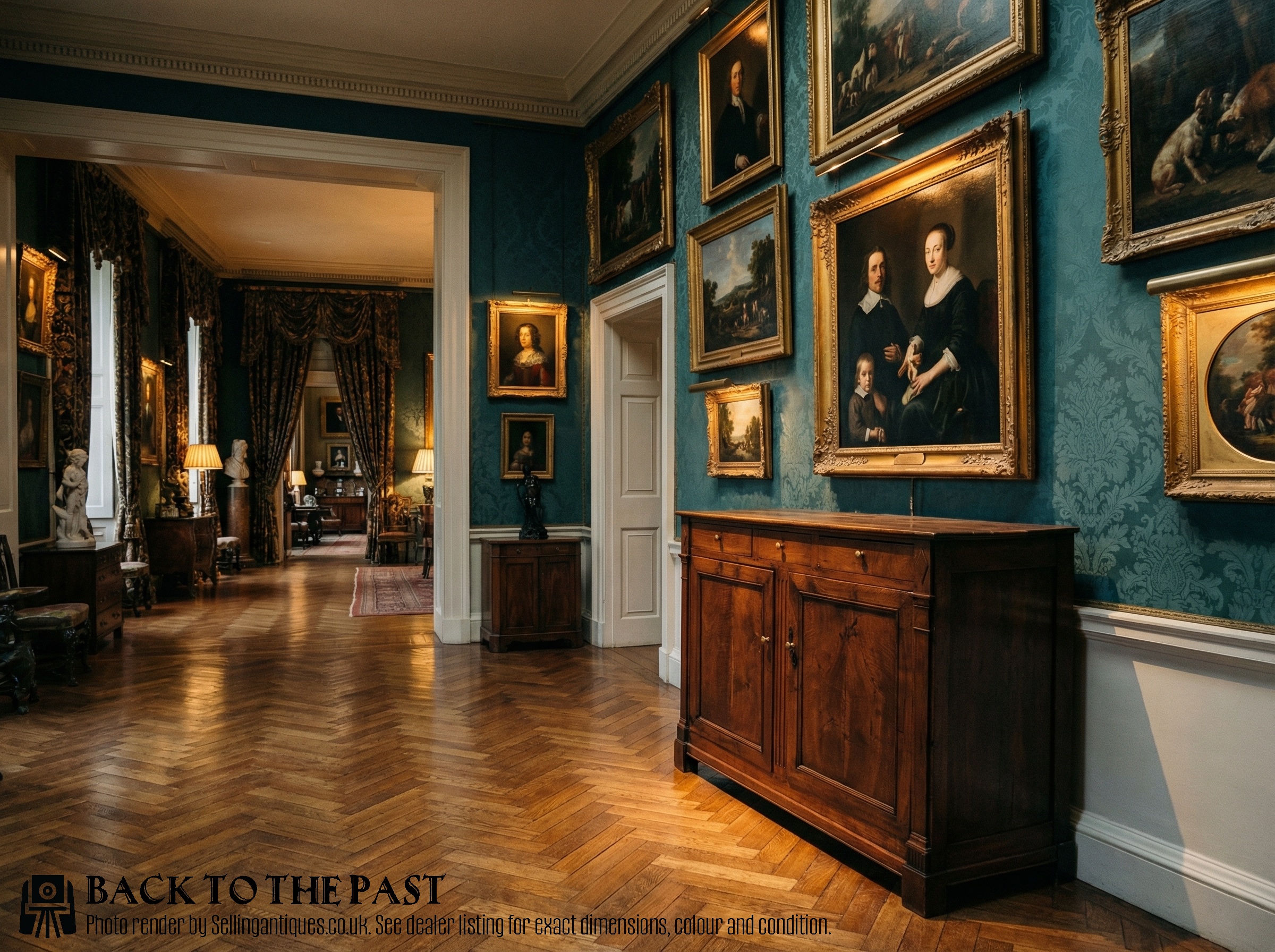
Panelled Door Buffet
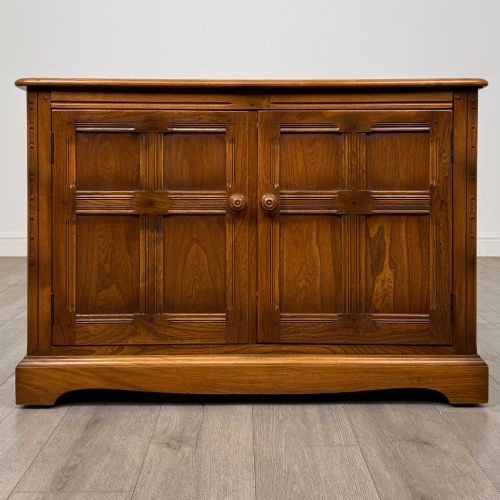
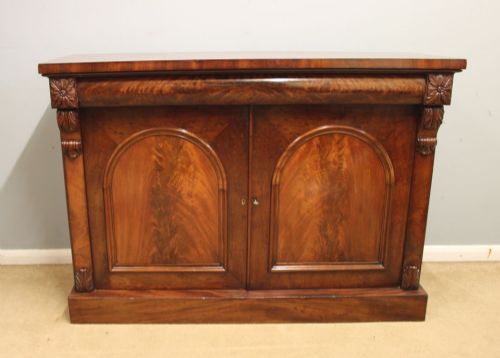
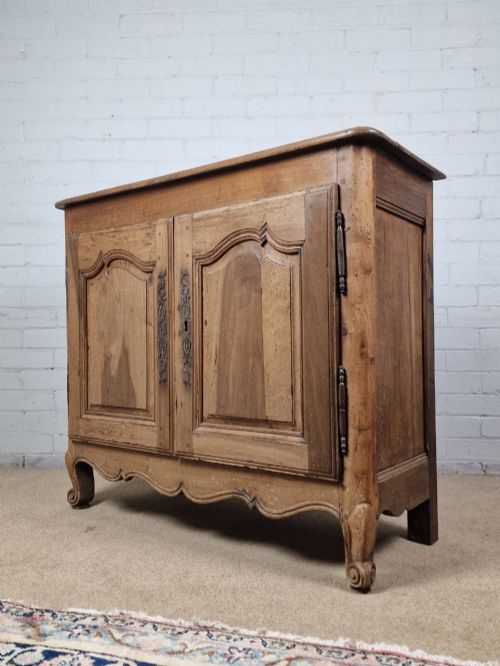
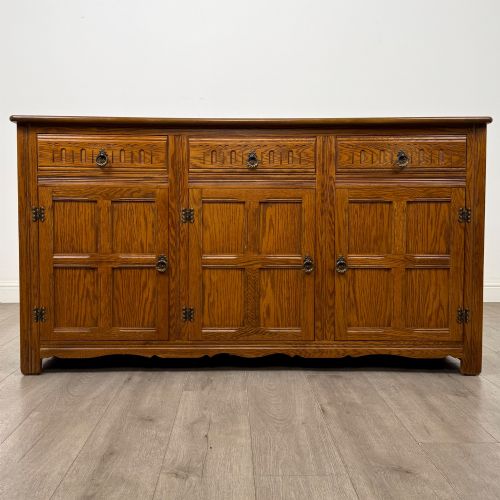
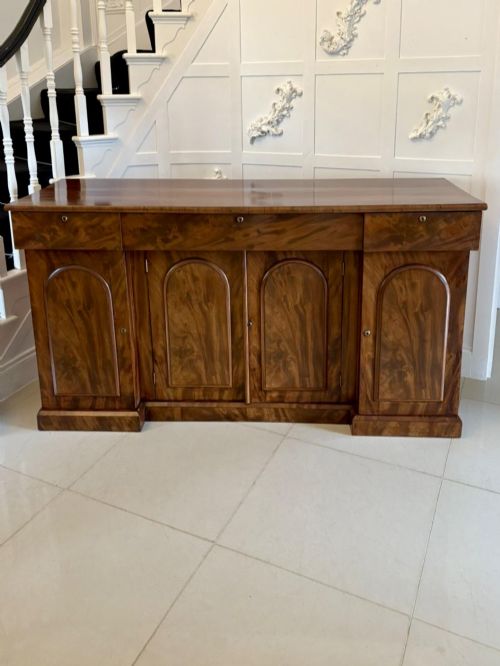
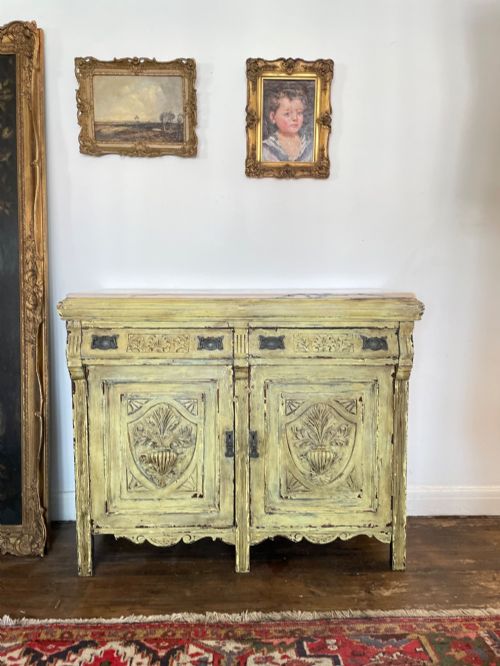
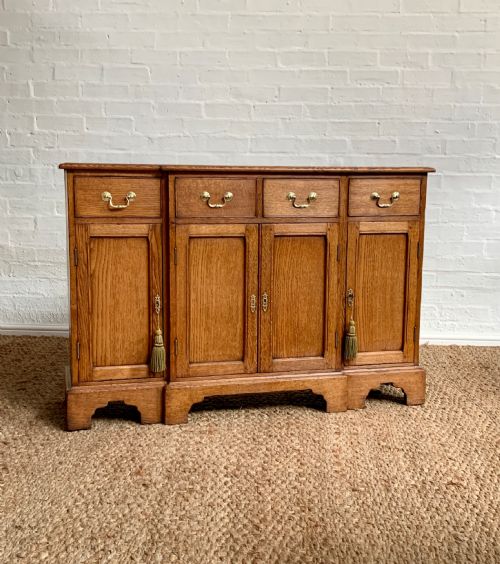
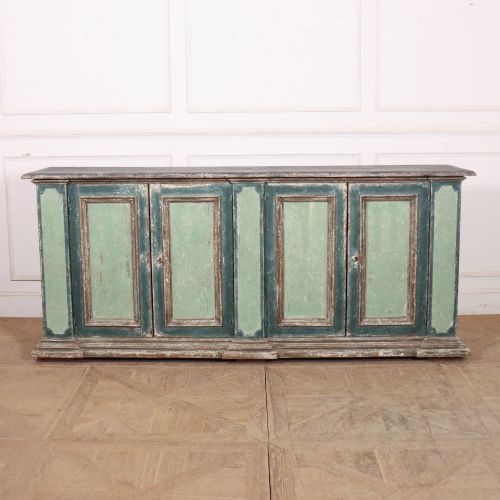
When searching for a panelled door buffet, buyers encounter robust storage furniture primarily categorised as sideboards, cupboards, and dressers. These items serve as functional surfaces and cabinets within dining rooms and living spaces.
The pieces appearing in this category span several distinct eras, notably the nineteenth century, the Victorian period, and the Regency epoch. Regional variations include French provincial, Italian provincial, and Scandinavian country styles.
The physical form typically manifests as a low sideboard or a taller cupboard base with hinged cabinet doors. These designs provide generous internal space enclosed by solid timber framing.
How they were made
Cabinet makers constructed these pieces using dense hardwoods such as mahogany, oak, walnut, and chestnut, frequently supplemented by pine for internal structure. Timber selection dictated the weight, durability, and eventual grain pattern of each item.
Surface treatments incorporated mahogany veneer over secondary woods, polished finishes, and occasionally painted surfaces suited to regional aesthetics. Structural hardware relied upon brass handles and iron fittings to secure doors and drawers.
What varies in quality
The calibre of a piece depends heavily upon the selection of timber and the precision of the joinery within the panelled doors. Finer examples display carefully matched wood grains and tight, enduring joints that withstand decades of use.
Subtle differences in hardware, carving depth, and the integrity of internal shelving distinguish standard utility cupboards from more ambitious dining room servers. Original brass fixtures and intact veneer indicate higher workshop standards.
The Panelled Door Buffet Glossary
- Buffet
- A sideboard or cabinet utilised for storing and serving food. These pieces traditionally stand in dining rooms.
- Chiffonier
- A low cabinet or sideboard, popular during the nineteenth century, typically featuring drawers and doors. They often include a raised shelf or back panel.
- Breakfront
- A piece of furniture where the central section projects forward from the flanking outer cabinets. This architectural arrangement creates depth and visual interest.
- Veneer
- A thin layer of superior wood applied to the surface of a cheaper secondary timber. This technique allows for decorative grain patterns without solid construction costs.
- Dresser base
- The lower section of a kitchen or dining dresser, comprising cupboards and drawers beneath a flat top. They frequently function independently as sideboards.
Panelled Door Buffet: Frequently Asked Questions
Where should I put a buffet?
These cabinets sit comfortably in dining rooms or large hallways where surface space and storage prove useful. Their low profiles mean they do not overwhelm adjacent furniture.
Ensure adequate clearance for the doors to swing open fully without striking walls or chairs. Placement against an interior wall protects antique timber from direct sunlight and temperature fluctuations.
How do I clean wooden surfaces?
Maintain polished timber surfaces with a soft, dry cloth to remove dust accumulation. Avoid silicone sprays or modern abrasive polishes.
Feed dry wood periodically with a traditional beeswax formulation to preserve the finish. Apply sparingly and buff gently to maintain a natural sheen.
Are these pieces suitable for modern homes?
Solid timber storage units integrate smoothly into contemporary interiors by offering practical utility alongside historical character. Their enclosed shelving conceals modern media or tableware effectively.
Proportions vary from compact side cabinets to substantial breakfront units, suiting both spacious rooms and tighter layouts. Neutral oak and mahogany tones complement diverse colour schemes.
How do I identify a Victorian piece?
Victorian items frequently utilise dark dense timbers such as figured mahogany or walnut, often featuring heavier carved ornamentation. Construction methods from this era combined hand joinery with early mechanised techniques.
Examine the interior secondary woods like pine or oak, along with the style of drawer linings and backboards, to confirm period origin. Hardware and lock mechanisms also provide chronological clues.