


Paneled Wall Cabinet
A paneled wall cabinet brings timber storage to a room without taking up floor space, offering centuries of joinery and fitted shelving.
Paneled Wall Cabinet
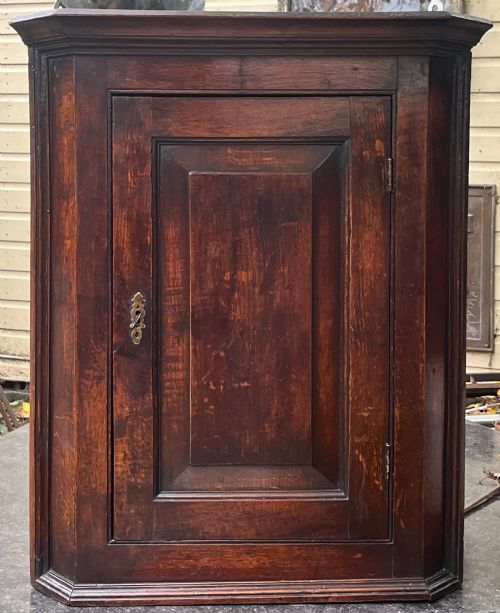
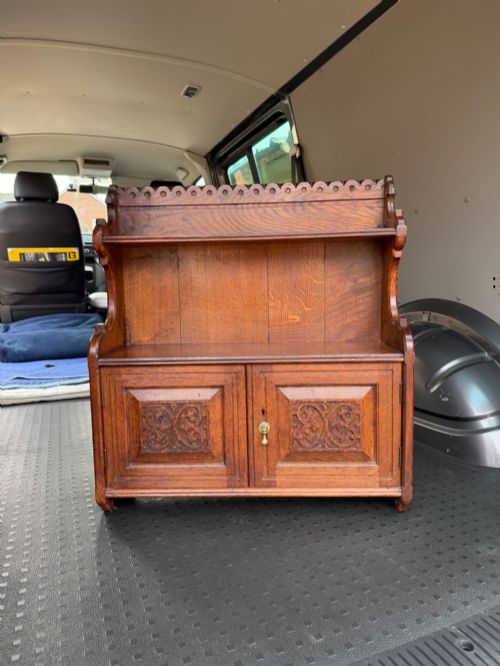
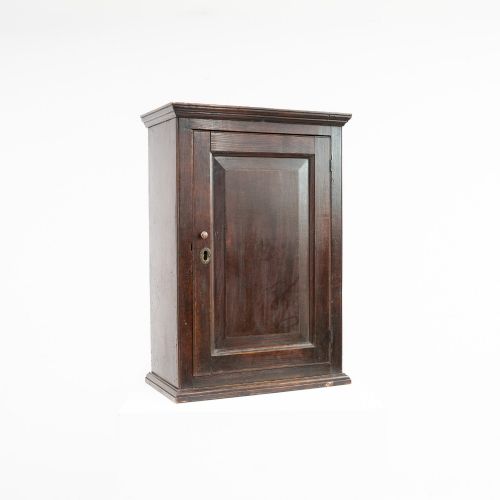
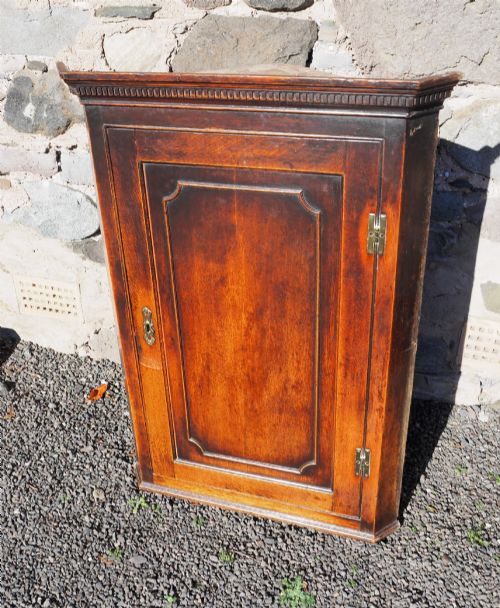
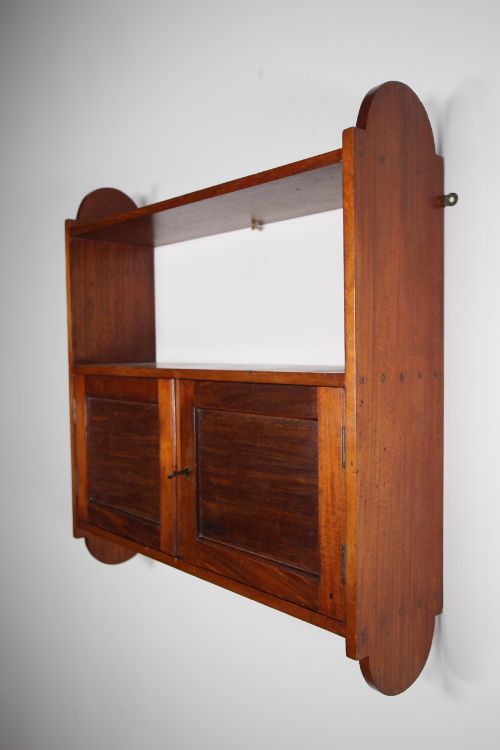
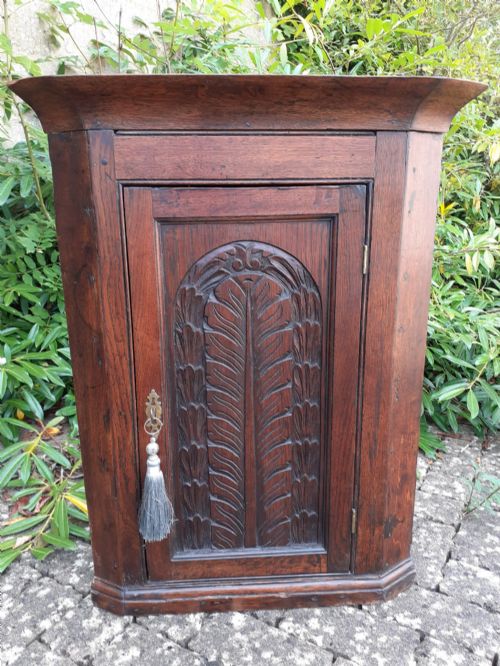
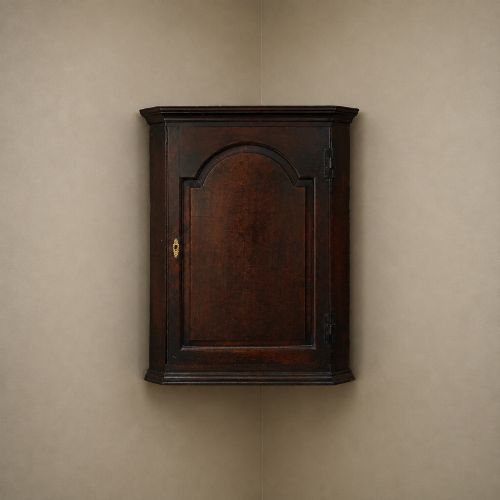
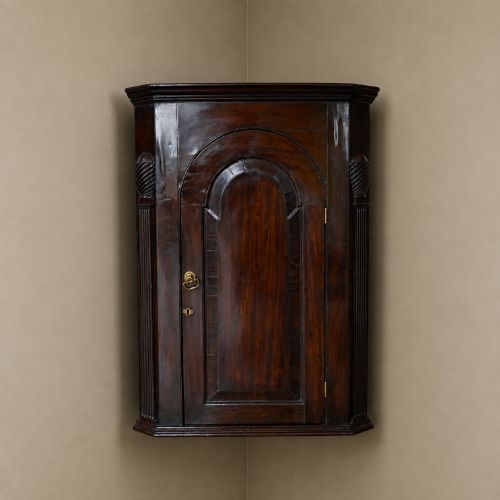
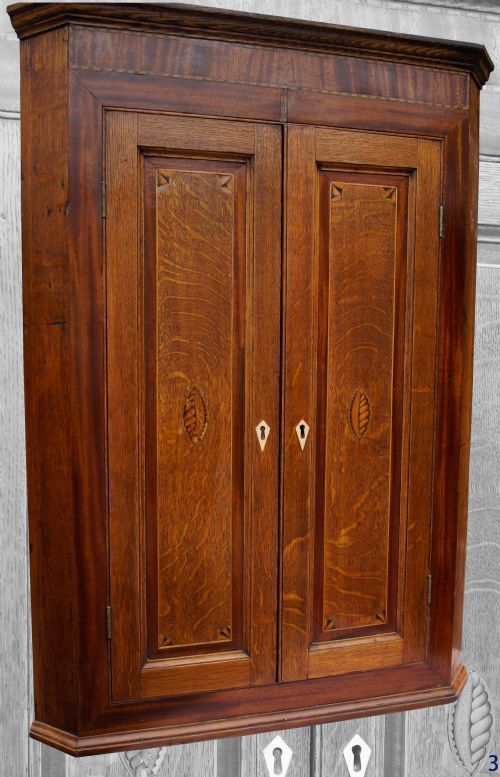
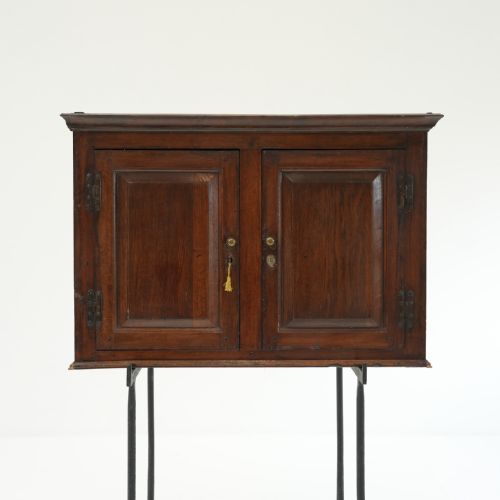
A paneled wall cabinet provides compact storage across various periods, frequently taking the form of a corner cupboard or hanging wall unit designed to utilise vertical space efficiently.
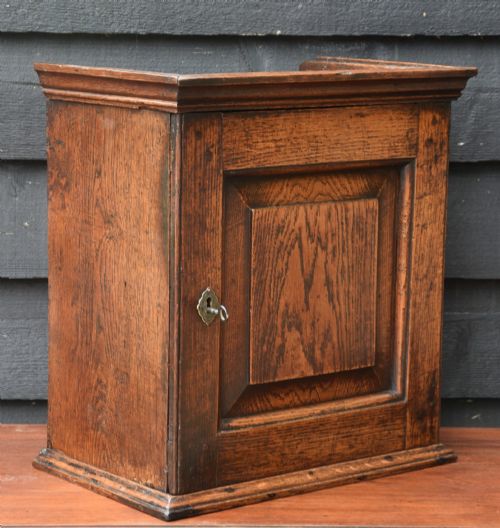
The selection centres heavily on oak pieces from the eighteenth and nineteenth centuries, including Georgian hanging corner cupboards, spice cupboards, and French provincial examples.
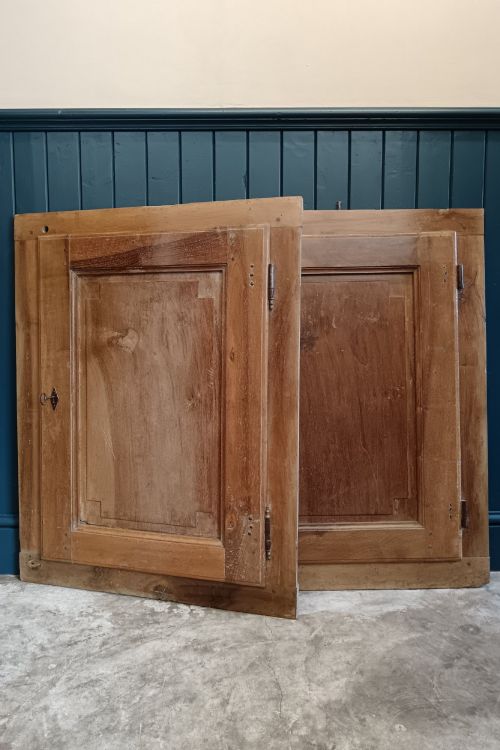
Makers and joiners constructed these cabinets from solid timbers, applying panel construction to doors and sides to accommodate seasonal wood movement while maintaining structural integrity.
How they were made
Cabinet makers relied primarily on oak, mahogany, walnut, and pine, working timber into solid panels held within grooved frames to prevent warping.
Construction methods involved traditional joinery such as mortise and tenon joints, complemented by brass hinges and iron hardware fitted directly to the cabinet doors.
Paneled Wall Cabinet Retail Price Guide 2026
Typical asking prices for paneled wall cabinet among the pieces listed under this phrase on Sellingantiques today, from the lower quarter to the upper quarter. They describe what is for sale here now, not the wider market.
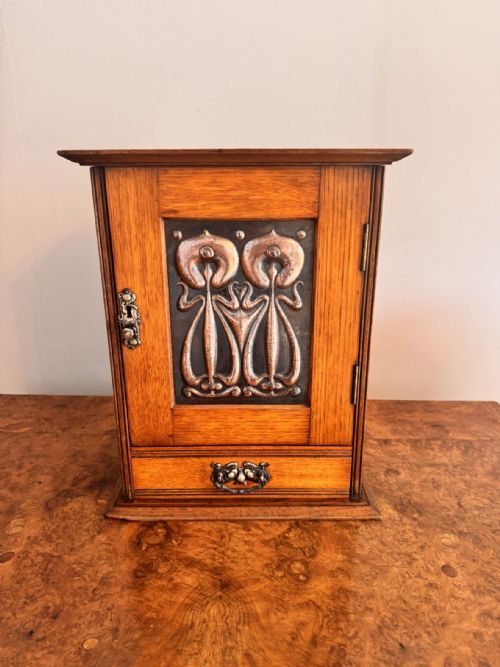
Smokers cabinets arrived in the twentieth century to keep pipes and tobacco safely enclosed behind golden oak doors.
What varies in quality
Quality rests upon the selection of timber and the precision of the panel joinery, where tightly fitted joints and figured grain mark superior work.
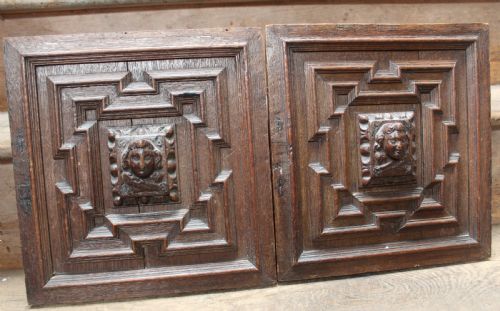
The refinement of carved details, such as linenfold panels or shaped internal shelves, distinguishes standard utilitarian cupboards from finer regional examples.
Heals
The Paneled Wall Cabinet Glossary
- Panel construction
- A method of framing a thin central board within a grooved outer border, allowing the wood to expand and contract safely with changes in humidity.
- Hanging corner cupboard
- A triangular storage unit built to fit directly into a room angle, equipped with brackets or fixings to suspend it from the wall.
- Spice cupboard
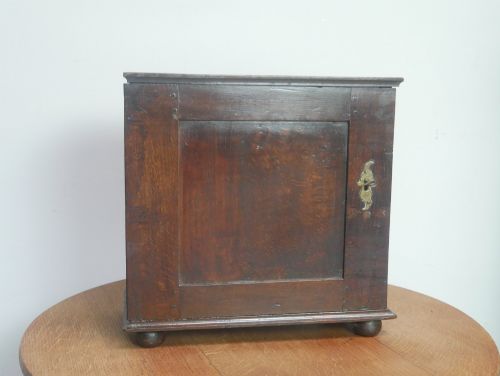
- A small wall-mounted storage box featuring a primary door enclosing multiple internal drawers or compartments for domestic provisions.
- Linenfold
- A style of wood carving that mimics the appearance of folded fabric, commonly seen on fifteenth- and sixteenth-century style panels.
Paneled Wall Cabinet: Frequently Asked Questions
How do I hang a heavy oak wall cabinet?
These cabinets attach securely to walls using internal screw fixings or robust hanging brackets anchored directly into solid masonry or stud work.
Given the weight of period oak and mahogany, ensure the fixings bear the load safely before loading the interior shelves.
Where were corner cupboards placed in older homes?
Rooms utilised unused corners for these cabinets to maximise floor space while keeping everyday items within easy reach.
Dining rooms and parlours frequently housed them to display glassware or store household goods.
How can I tell an eighteenth-century cupboard from a later copy?
Examine the timber boards at the back and interior for hand tool marks, handmade nails, and traditional joinery methods unique to older periods.
Age shows in the natural shrinkage of the wood and the patina developed on the brass or iron hinges over centuries of handling.
What is the difference between a wall cabinet and a spice cupboard?
Spice cupboards are generally smaller hanging units featuring a single door that opens to reveal a cluster of tiny internal drawers.
Standard wall cabinets provide larger open shelving or compartment space intended for general storage rather than specific provisions.