

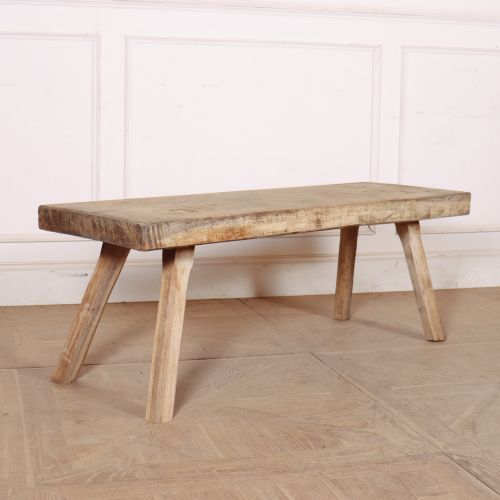
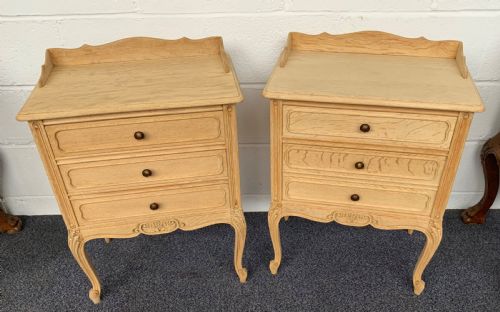

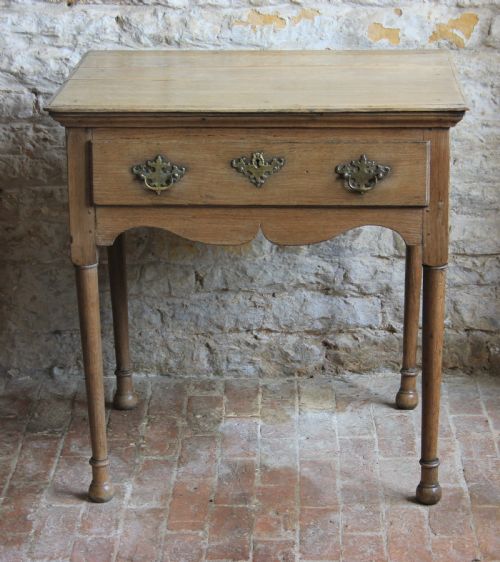


Pale Oak Table
A pale oak table brings a quiet, sun-bleached warmth to a room while offering a hard-wearing surface built for daily use.
Pale Oak Table
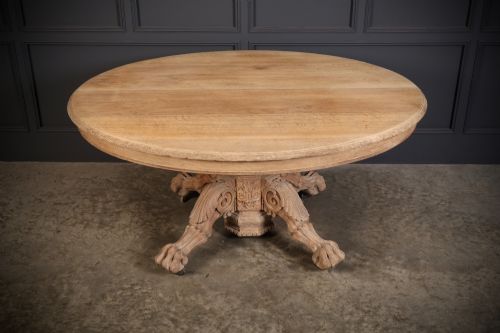
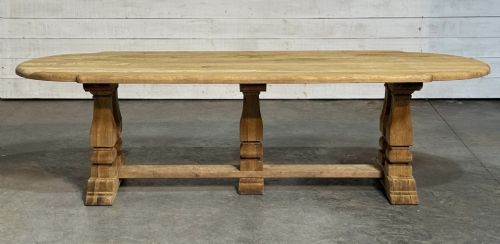
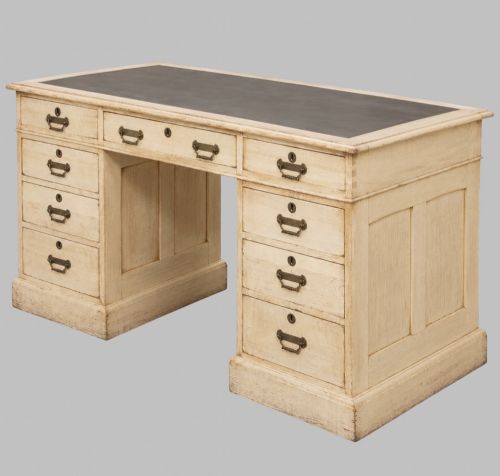
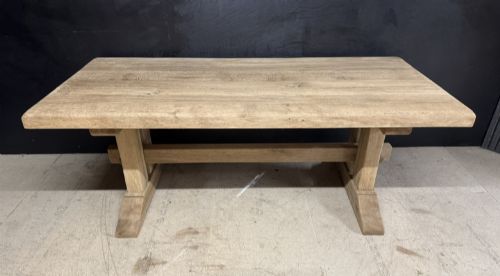
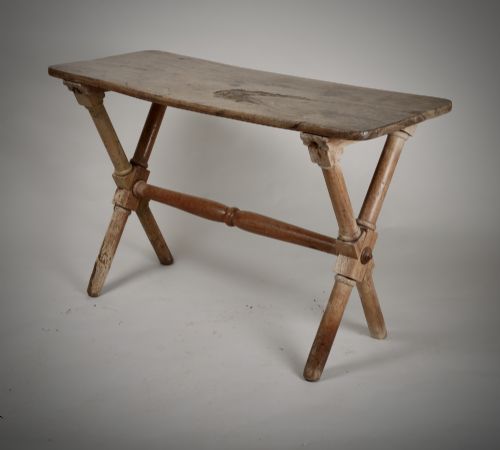
A pale oak table is a practical surface defined by a light timber finish, encompassing dining tables, coffee tables, desks, and side tables. These pieces span centuries of cabinet-making, running from eighteenth-century lowboys and dresser bases to nineteenth-century trestle forms and twentieth-century refectory designs.
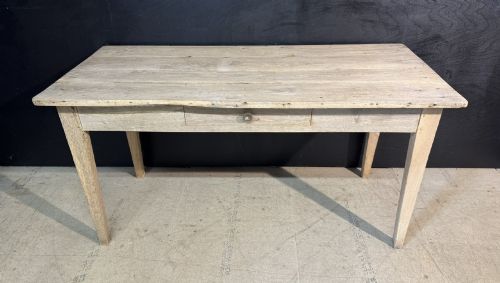
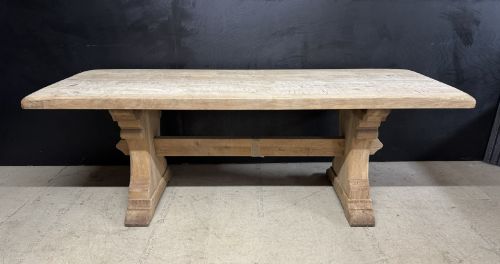
The version most commonly met on this page is the French farmhouse or refectory dining table, often carrying a bleached or limed surface. Alongside these large dining pieces sit smaller occasional forms, including cricket tables, lamp tables, and console tables sourced from across England, France, and the wider continent.
What varies in quality
Quality rests in the integrity of the timber selection and the restraint shown in the surface treatment. A finer table utilises quarter-sawn oak boards that display rich figuring, joined with tight, precise tenons that keep the structure stable through seasonal changes in humidity.
Proportion and historic authenticity dictate the standing of a piece within its type. Tables retaining their original base framing and untrimmed proportions carry greater visual coherence than those altered or excessively scrubbed to achieve a fashionable lightness.
Pale Oak Table Retail Price Guide 2026
Typical asking prices for pale oak table among the pieces listed under this phrase on Sellingantiques today, from the lower quarter to the upper quarter. They describe what is for sale here now, not the wider market.
Listings span the eighteenth, nineteenth, and early twentieth centuries, featuring oak, pine, and brass across dining, coffee, and console forms.
The Pale Oak Table Glossary
- Bleached oak
- Oak timber treated to lighten its natural tone, softening the traditional honey or dark brown colour. This process is common on continental farmhouse tables.
- Trestle table
- A board resting on two or more upright supports connected by a horizontal stretcher. This form allows for maximum legroom along the length of the table.
- Refectory table
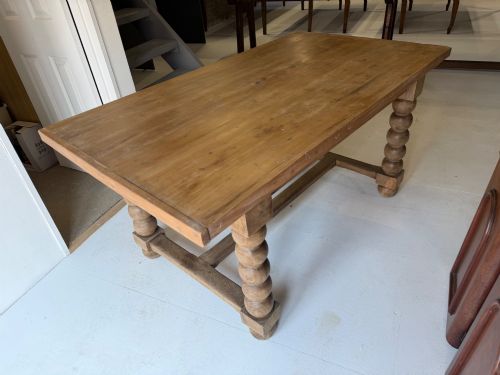
- A long, narrow dining table traditionally used in monastic dining halls. These sturdy pieces feature heavy underframes and long timber boards.
- Lowboy
- A small seventeenth- or eighteenth-century table with drawers, standing on relatively tall legs. They were used variously as dressing tables or side tables.
- Cricket table
- A small, light round table supported by three splayed legs. The design prevents wobbling on uneven stone floors.
Pale Oak Table: Frequently Asked Questions
How do I clean a pale oak table?
Wipe the surface with a damp, lint-free cloth and dry it immediately to prevent moisture rings.
Avoid harsh chemical cleaners or silicone sprays, which can penetrate the open grain and alter the matte appearance of the bleached timber.
Are these tables suitable for daily dining?
These tables are constructed from solid timber and sturdy framing designed specifically for heavy domestic use.
Using placemats and coasters helps protect the untreated or lightly finished surface from heat marks and spills.
What is the difference between a refectory and a trestle table?
A refectory table typically utilises four fixed legs set in from the corners, often linked by a heavy central floor stretcher.
A trestle table relies on distinct end supports or frames that hold the top, offering an open space underneath the span.
How can I tell an older table from a later revival piece?
Examine the underside and joints for hand-cut marks, pegged joinery, and the natural wear patterns accumulated over generations of use.
Revival pieces from the later periods often show uniform machine milling and standardised fittings throughout the internal framing.