

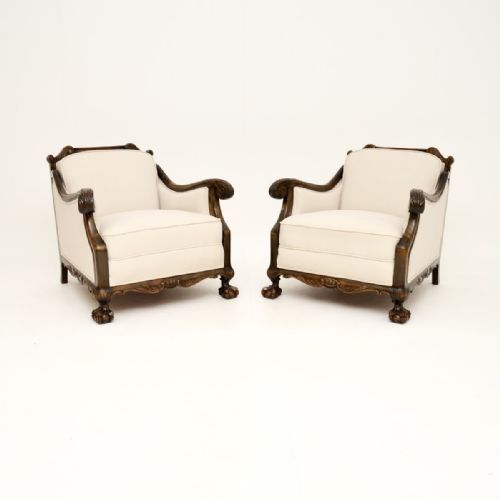
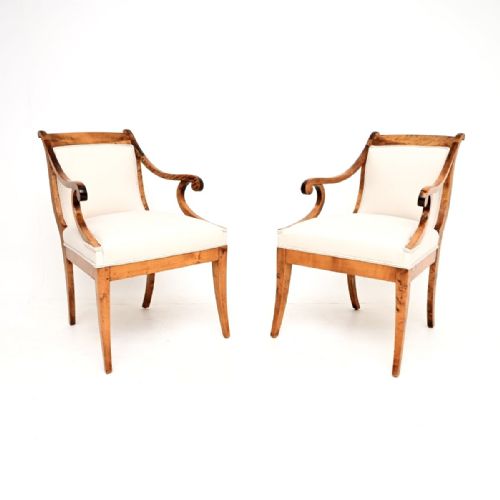


Pair Swedish Birch Chairs
Pair swedish birch chairs bring sculptural warmth and practical seating to a room, offering distinct Nordic character through varied historic periods.
Pair Swedish Birch Chairs
When you search for pair swedish birch chairs, you encounter matching seating designed for comfort and presence. These armchairs originate primarily from the nineteenth and twentieth centuries, spanning distinct stylistic movements.
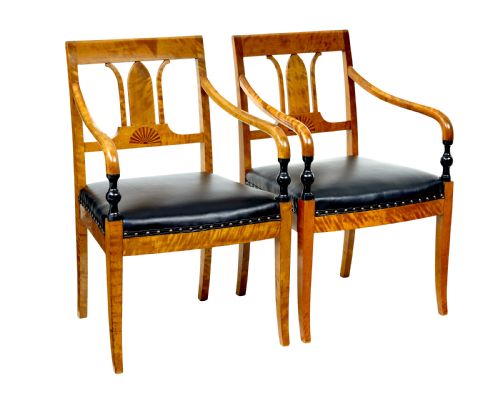
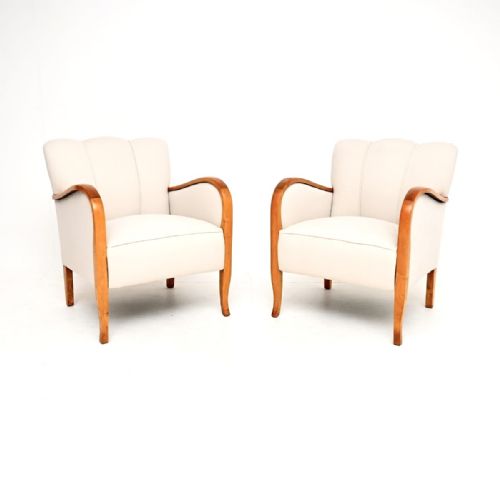
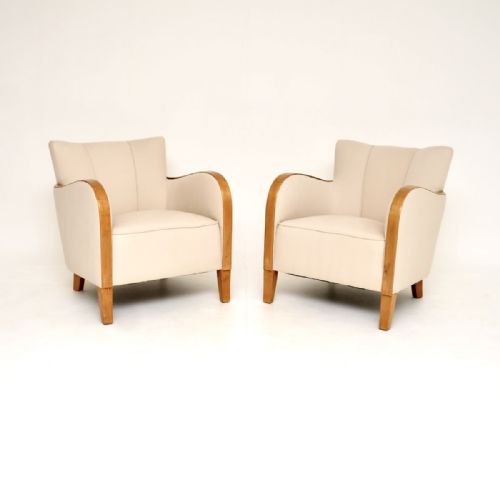
The version you meet most frequently on this page is the Swedish Art Deco armchair from the nineteen-thirties, typically constructed from satin birch or flame birch. Biedermeier examples from the nineteenth century also appear regularly, offering earlier classical proportions.
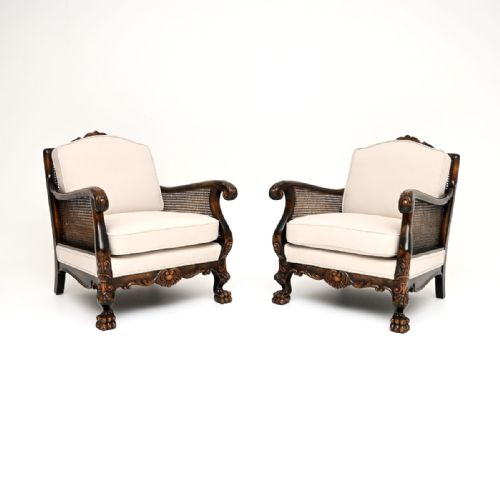
Every piece listed functions as an armchair or lounge armchair, built in matched pairs to anchor a domestic interior. The forms balance utilitarian seating requirements with decorative wood grain figures.
What varies in quality
The selection of timber grain largely dictates the visual impact of an armchair, with highly figured satin birch and flame birch marking out the most accomplished examples. Superior pieces display bookmatched or symmetrical veneer work across the arms and backrests.
Construction integrity and the preservation of original surfaces separate standard production from exceptional craftsmanship. The weight of the timber, the tautness of the frame, and the harmonious integration of upholstery materials define the upper tier.
Pair Swedish Birch Chairs Retail Price Guide 2026
Typical asking prices for pair swedish birch chairs among the pieces listed under this phrase on Sellingantiques today, from the lower quarter to the upper quarter. They describe what is for sale here now, not the wider market.
The Pair Swedish Birch Chairs Glossary
- Satin birch
- A timber featuring a lustrous, light-reflecting grain often utilised by Scandinavian cabinetmakers. It provides the smooth, pale yellow finish seen on many twentieth-century chairs.
- Biedermeier
- A Central European and Scandinavian design style spanning the nineteenth century, known for clean lines and domestic comfort. Biedermeier pieces prioritise utility and polished wood surfaces over excessive ornament.
- Art Deco
- A modern style popular during the nineteen-twenties and nineteen-thirties emphasising stylised curves and streamlined forms. Art Deco chairs often feature rounded upholstered backs and broad wooden armrests.
- Bergère
- A closed upholstered armchair featuring cane or wicker work on the sides or back. This French seating form was adopted by Swedish makers to introduce lighter textures.
- Flame birch
- A decorative cut of birch timber displaying rippled, flame-like grain patterns across the surface. This figuring occurs naturally in specific trees and enhances the visual depth of the furniture.
Pair Swedish Birch Chairs: Frequently Asked Questions
How do I style pair swedish birch chairs?
These armchairs work effectively as statement seating in a living room or study. Their pale timber tones blend well with neutral palettes and modern interiors.
Positioning the pair together creates a deliberate seating zone, while their compact lounge proportions allow them to fit comfortably opposite a sofa or beside a fireplace.
What is the difference between Biedermeier and Art Deco chairs?
Biedermeier pieces originate from the nineteenth century, featuring conservative classical lines and warm polished wood surfaces. They emphasise traditional joinery and domestic practicality.
Art Deco chairs date from the early twentieth century, displaying bolder curves, streamlined silhouettes, and prominent use of satin birch veneers.
Are these chairs comfortable for daily use?
Armchairs from this category were built for domestic lounging, offering supportive backrests and upholstered seats. The inclusion of leather or fabric upholstery ensures practical daily comfort.
Their lounge armchair proportions provide adequate back support, making them suitable for reading rooms and sitting spaces.
How do I identify satin birch?
Satin birch is recognised by its pale, golden-yellow colour and natural sheen that catches the light. The grain often appears smooth with subtle mottled figuring.
Makers selected this timber specifically to showcase its bright reflection and tactile quality on prominent exterior surfaces.