

Pair Staffordshire Ornaments
Pair staffordshire ornaments bring the robust domestic charm of Victorian hearths into modern rooms through modelled earthenware figures.
Pair Staffordshire Ornaments
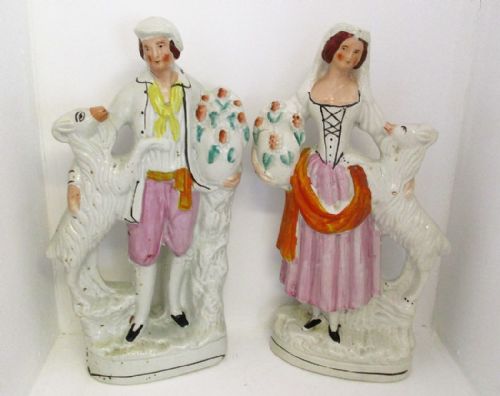
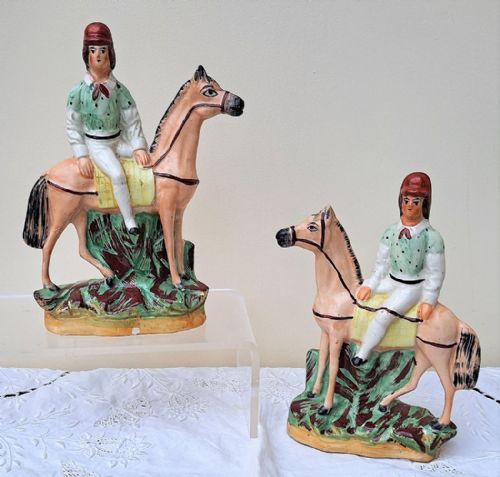
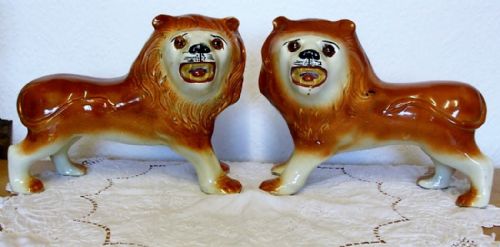
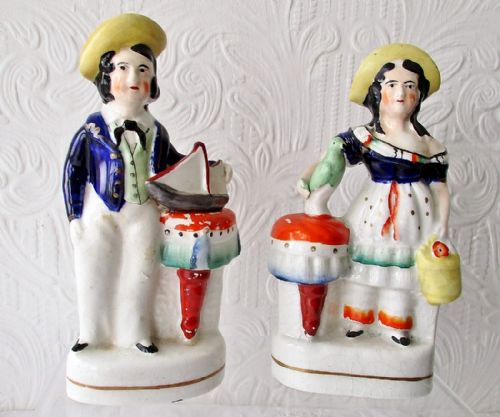
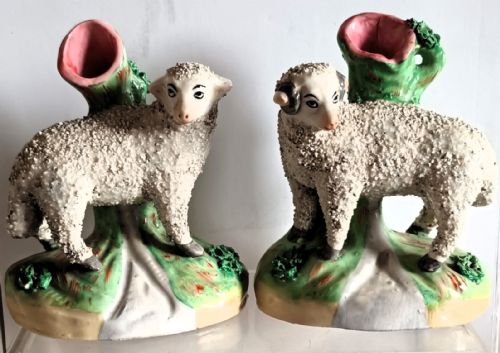
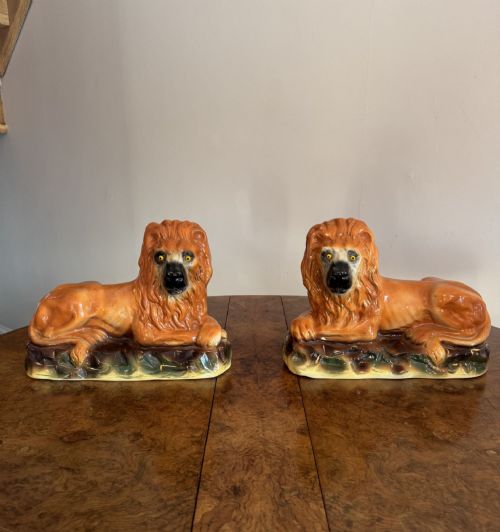
Pair staffordshire ornaments encompass twin ceramic figures and animals produced across the nineteenth century in the potteries of North Staffordshire. Buyers encounter spaniels, greyhounds, lions, sheep, and portrait figures modelled for display on mantelpieces.
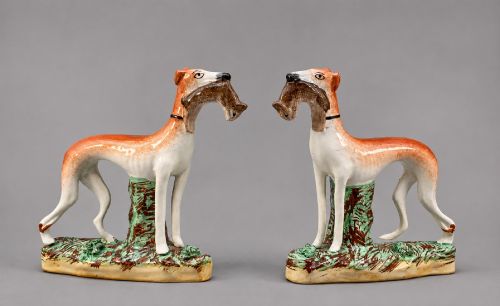
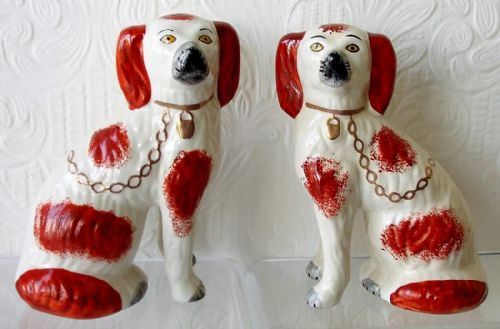
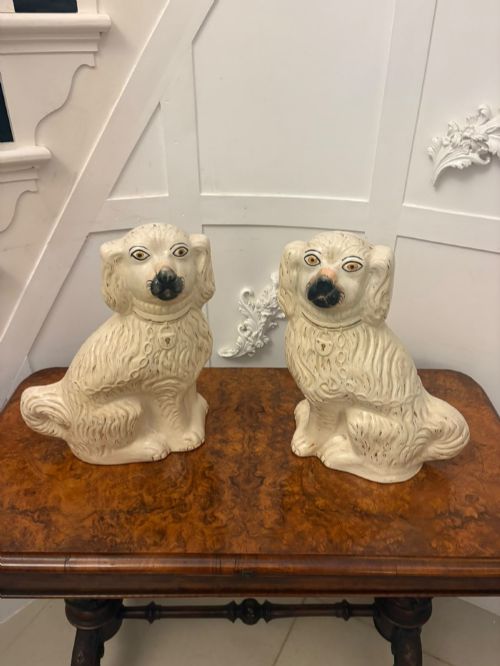
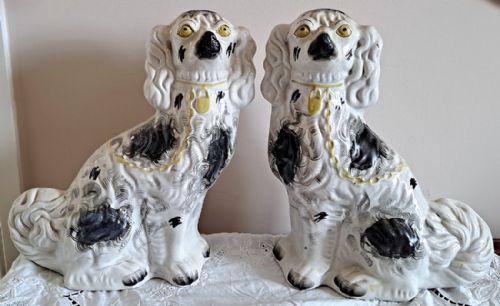
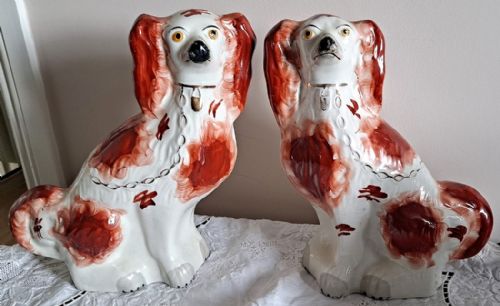
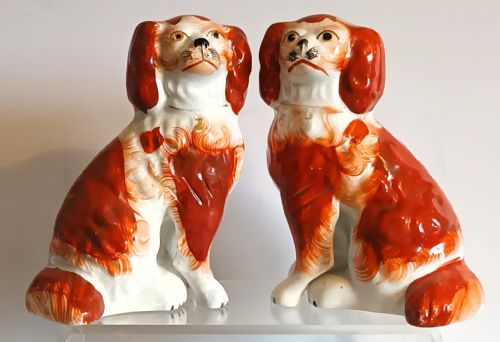
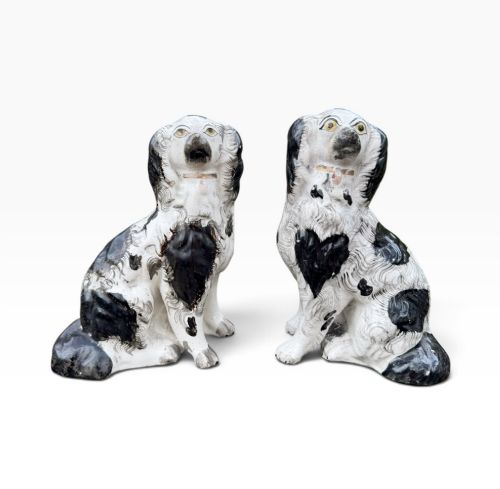
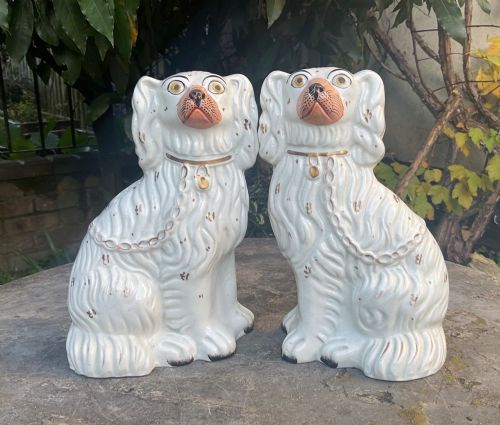
The most common examples on this page are the seated comforter spaniels and hunting dogs produced during the Victorian period. These symmetrical pairings were designed to sit at either end of a fireplace.
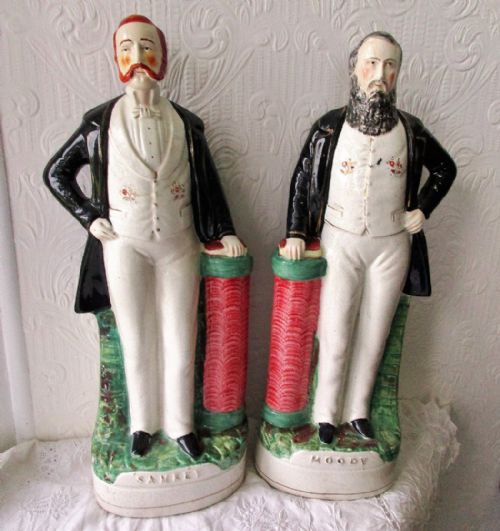
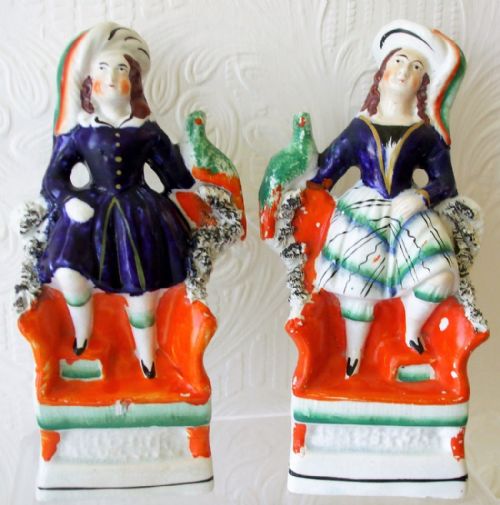
Beyond domestic animals, the category includes theatrical characters, literary figures, and royal portraits such as the Prince of Wales, Princess Royal, Louis Napoleon, and Disraeli. Spill vases featuring deer, cows, and sheep also appear within the selection.
How They Were Made
Potters shaped these earthenware bodies using press moulds, joining front and back sections before applying a smooth lead glaze. Most nineteenth-century examples utilise a flat back construction designed to stand flush against a wall.
Surface decoration relies on hand-painted enamel colours combined with gilded highlights in gold leaf. Certain models incorporate moulded details such as shredded clay applied to represent wool or fur.
Pair Staffordshire Ornaments Retail Price Guide 2026
Typical asking prices for pair staffordshire ornaments among the pieces listed under this phrase on Sellingantiques today, from the lower quarter to the upper quarter. They describe what is for sale here now, not the wider market.
Some spaniels wear bright gold chains and solemn expressions, faithfully guarding empty fireplaces.
What Varies in Quality
Painting execution separates standard output from superior pieces, with finely brushed details and carefully controlled enamel colours creating depth. The evenness of the glaze and the restraint of the gilt application further distinguish finer examples.
Sampson Smith·Thomas Parr
The Pair Staffordshire Ornaments Glossary
- Flat back
- A ceramic figure moulded with a plain, unglazed or partially glazed reverse side intended for placement against a wall. This construction method saved clay and reduced weight.
- Comforter spaniels
- The seated white spaniels with gold chains and lockets that guarded Victorian hearths. These dogs derived their name from their role as domestic companions.
- Spill vase
- A hollow figural vessel designed to hold taper splints used for lighting candles and fires. These objects combine sculpture with functional utility.
- Earthenware
- A porous pottery body fired at lower temperatures than stoneware or porcelain. It requires a glaze to achieve impermeability.
Pair Staffordshire Ornaments: Frequently Asked Questions
Where did pair staffordshire ornaments sit?
These ceramic figures stood symmetrically on either end of the mantelpiece above the domestic fireplace. Their flat backs allowed them to rest flush against the wall.
Pairs were also placed on sideboard tops and window sills to brighten Victorian living spaces.
How do I clean my Staffordshire figures?
Dust these glazed earthenware pieces gently with a dry, soft brush to prevent the accumulation of dirt in the crevices. Avoid using liquid cleaners that might damage the surface enamels or gold leaf.
Keep the ceramics away from direct sunlight to preserve the hand-painted enamel colours over time.
Why were spaniels made in pairs?
Ceramic spaniels were produced as matching pairs to mirror each other across the centre of the mantelpiece. This symmetrical arrangement suited Victorian interior design conventions.
The dogs represented loyalty and watchfulness, making them comforting presences in the home.
What subjects do these figures show?
The pieces depict a wide range of subjects including domestic and wild animals, theatrical characters, and literary figures. Portrait subjects include royalty, politicians, and contemporary public figures.
Pastoral scenes involving gardeners, sheep, and spill vases also form part of the recorded variety.