



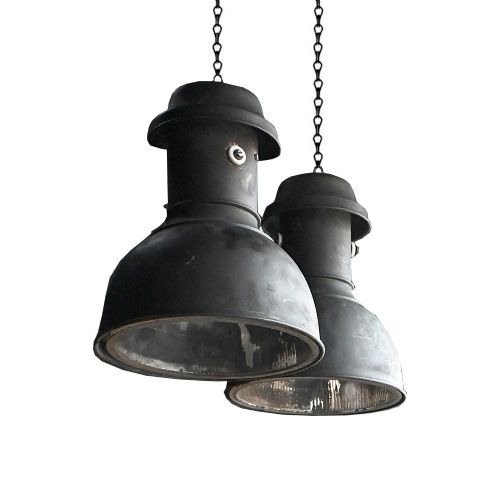


Pair Pendant Lamps
Pair pendant lamps bring balanced illumination to a room, offering matching fixtures shaped by early twentieth-century design.
Pair Pendant Lamps
When you search for pair pendant lamps, you are looking at matching overhead light fixtures designed to hang from ceilings in pairs. These pieces span periods from nineteen hundred through the nineteen thirties, including Edwardian and Art Deco styles.
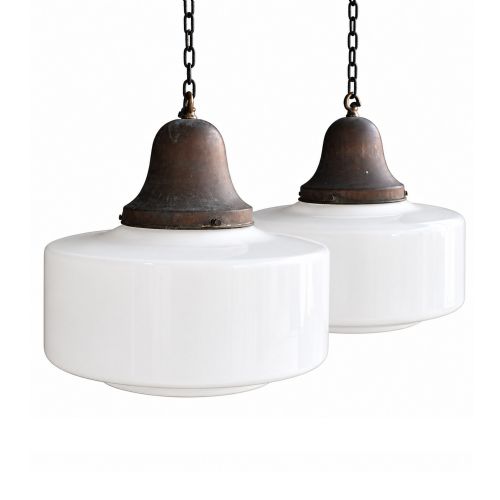
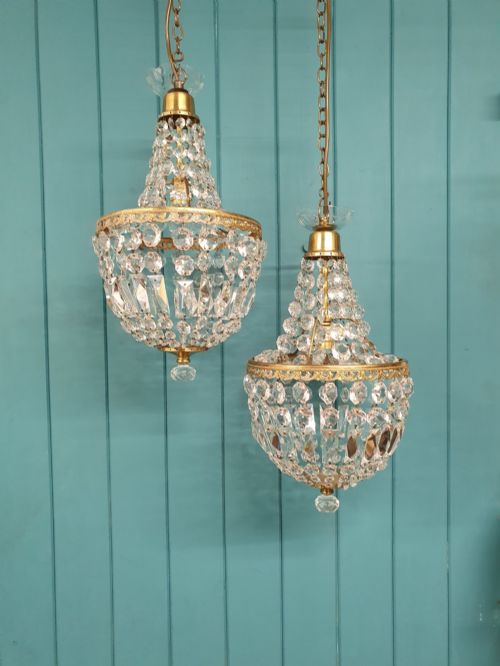
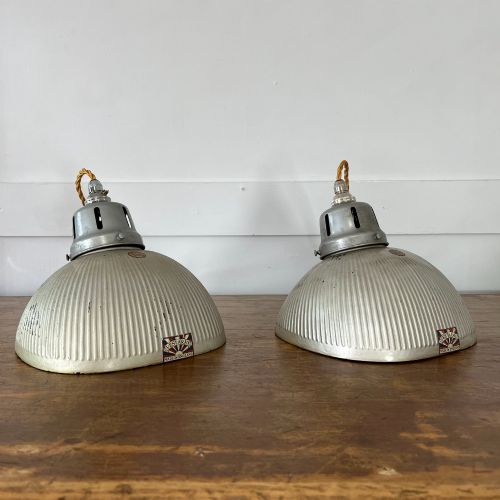
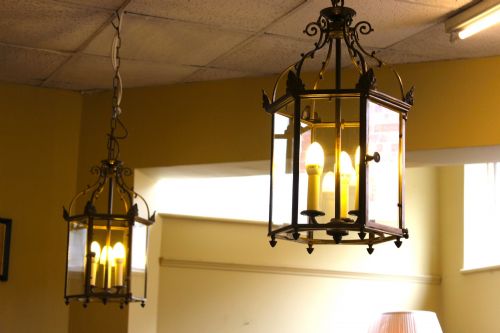
The selections on this page most commonly appear as brass and crystal light fittings, glass holophane pendants, opaline glass shades, and bronze lanterns. Object types range from pendant lights and chandeliers to hall lanterns and ceiling lights.
Origins represented in the evidence include English factory lights, French bronze chandeliers, and cast iron hall lanterns. Buyers encounter items varying from compact spike chandeliers to large brass hall lights with glass shades.
Materials and construction
Makers utilised metals such as brass, bronze, and cast iron to form the structural frames and lanterns of these fixtures. Blacksmith made cast iron and angled brass components provide robust support for the hanging assemblies.
Glass forms a central component, appearing as crystal, cut glass, opaline glass, mercury mirrored glass, and etched pink and clear pendants. These glass elements diffuse light and shape the visual character of each pendant or chandelier.
Pair Pendant Lamps Retail Price Guide 2026
Typical asking prices for pair pendant lamps among the pieces listed under this phrase on Sellingantiques today, from the lower quarter to the upper quarter. They describe what is for sale here now, not the wider market.
One early twentieth-century pair comes straight from the blacksmith's forge as heavy cast iron hall lanterns.
Assessing quality
Quality in these hanging fixtures rests upon the weight and finish of the metalwork, whether cast iron, bronze, or brass. Heavier frames and intricate casting show superior craftsmanship compared to simpler production methods.
The clarity and finish of the glass elements also distinguish the pieces. Cut glass, crystal, and specialised opaline or mercury mirrored glass reflect a higher grade of manufacture than standard pressed glass.
F and C Osler·Vestaray
The Pair Pendant Lamps Glossary
- Pendant light
- A hanging light fixture suspended from the ceiling by a cord, chain, or metal rod. These units provide direct illumination over tables, hallways, or specific room areas.
- Opaline glass
- A milky, semi-translucent glass developed to diffuse light softly without glaring. It appears frequently in period shades and dish lights.
- Spike chandelier
- A specific chandelier form featuring a central vertical spike or stem from which light branches extend. Examples in the inventory measure in various compact sizes.
- Holophane
- A brand of scientific glass reflector designed to bend and control light efficiently. These ribbed glass shades are prized in industrial and early twentieth-century lighting.
- Hall lantern
- An enclosed hanging light fixture traditionally placed in entrance halls or corridors. They combine metal framing with glass panels to shield the bulb.
Pair Pendant Lamps: Frequently Asked Questions
Where should pair pendant lamps be hung?
These matching fixtures work well suspended over dining tables, kitchen islands, or flanking a central architectural feature in a hallway. Their paired nature creates symmetry in a room.
Ensure the hanging height leaves adequate clearance underneath while positioning the light sources to illuminate the desired surface effectively.
How do I date an antique pendant lamp?
Dating relies on examining the manufacturing materials, such as early twentieth-century brass, cast iron, or opaline glass. Stylistic clues from Edwardian and Art Deco periods also help determine age.
Look at the wiring methods, construction joints, and metal casting techniques typical of nineteen hundred to nineteen thirty production.
What is the difference between a pendant and a chandelier?
Pendants generally hang as single light sources from a cord or rod, whereas chandeliers feature multiple branching arms for several bulbs. Both formats appear in matching pairs within the inventory.
Spike chandeliers and multi-light bronze fixtures offer more ornate illumination than standard single-bulb pendant shades.
Are these lamps suitable for modern electrical systems?
Period lighting fixtures can be adapted by qualified electricians to meet current safety standards and wiring requirements. The structural components accommodate standard modern lamp fittings.
Check the internal wiring and consult a professional to ensure the brass, bronze, or iron frames safely support contemporary electrical loads.