





Pair of Wood Stools
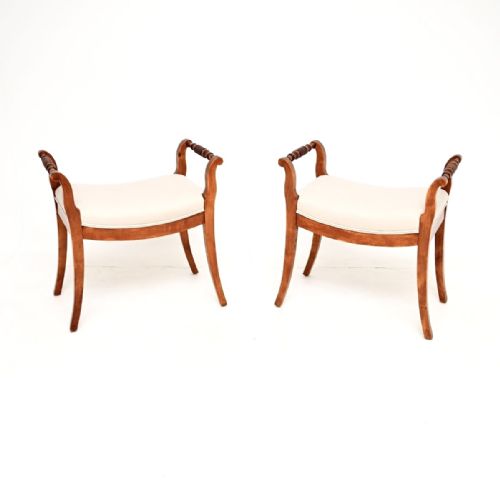
A pair of wood stools brings functional seating and distinct period character to a room, spanning rustic tavern forms to refined Biedermeier designs.
Pair of Wood Stools
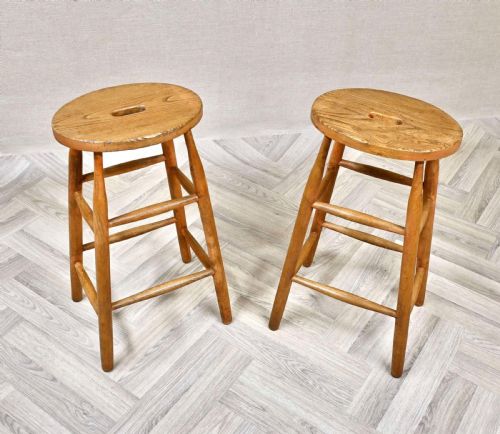
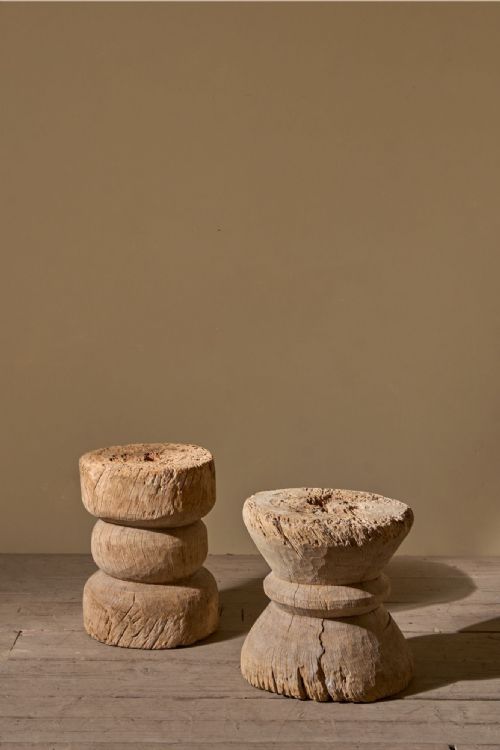
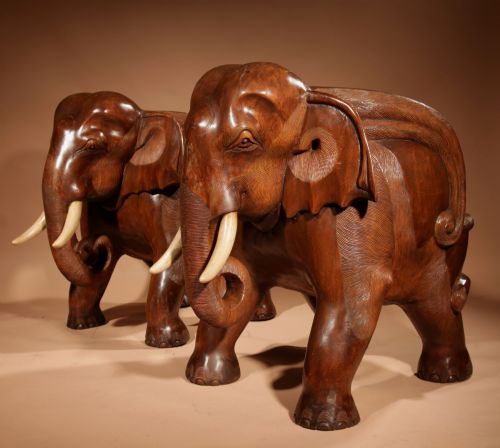
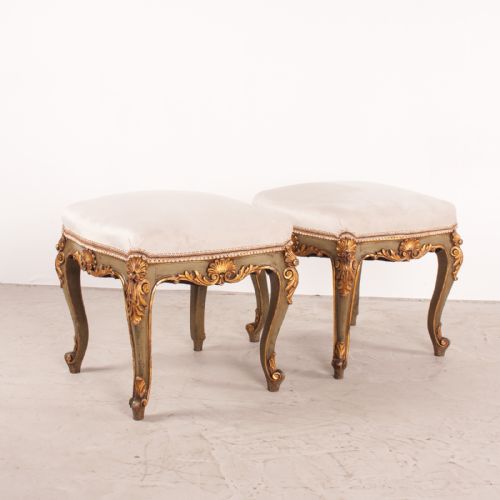
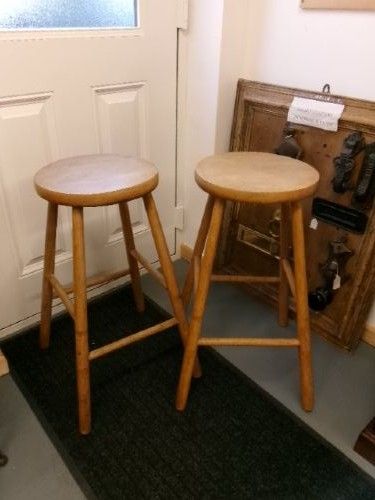
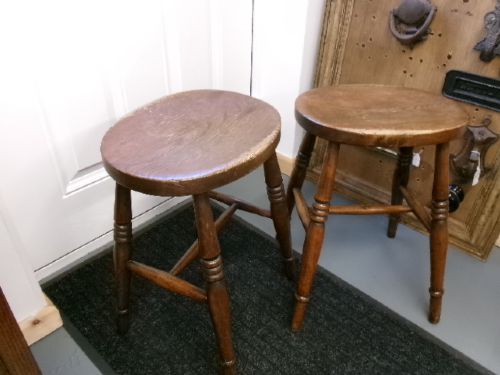
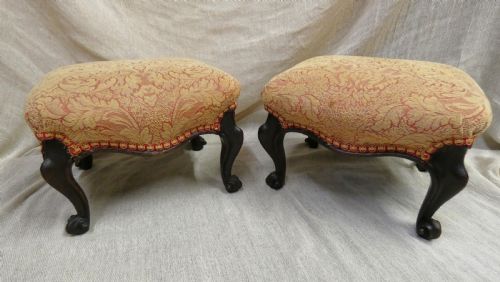
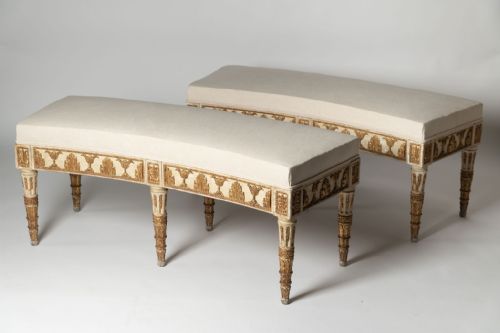
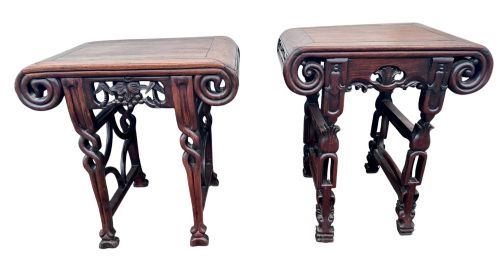
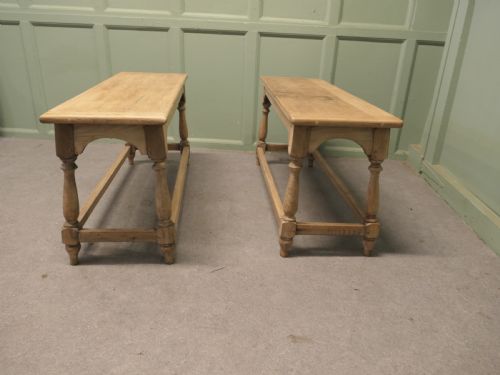
A pair of wood stools encompasses diverse seating and surface forms, including low footstools, bar stools, joint stools, and window seats originating across the nineteenth and twentieth centuries. Buyers searching for a pair of wood stools will encounter variations ranging from rustic elm tavern seats to carved Chinese huali hardwood examples.
Materials and construction methods
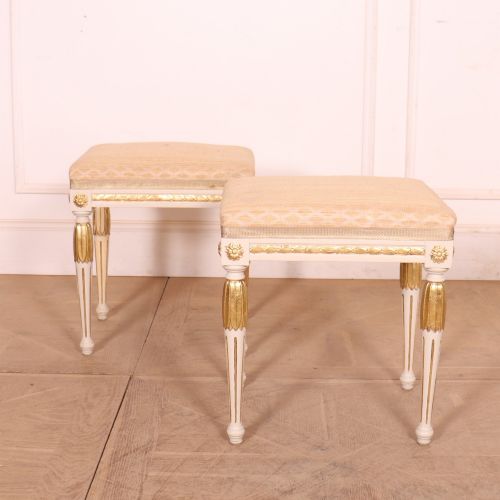
Construction relies heavily on timbers such as mahogany, walnut, oak, elm, satin birch, and various Asian hardwoods, sometimes augmented with painted wood or gold leaf finishes. Upholstered variants incorporate fabric, tan leather, and kilim seat covers to provide cushioned support.
Joinery techniques span traditional joint bench construction, carved solid wood bodies, and dished top shaping, often paired with decorative elements like gilding, lacquering, or turned supports.
Pair of Wood Stools Retail Price Guide 2026
Typical asking prices for pair of wood stools among the pieces listed under this phrase on Sellingantiques today, from the lower quarter to the upper quarter. They describe what is for sale here now, not the wider market.
Differentiating quality across examples
Quality rests upon the crispness of carved detail, the integrity of timber selection such as figured mahogany or dense Asian hardwoods, and the fidelity of period styling. Superior specimens display deliberate proportions and harmonious matching between both items in the set.
The execution of secondary treatments, such as original painted surfaces, gold leaf application, or fitted leather and fabric upholstery, dictates the refinement of the finished pair.
The Pair of Wood Stools Glossary
- Joint stool
- A sturdy wooden stool constructed with mortise and tenon joints, common in early domestic interiors. These low wooden seats often double as small side tables.
- Biedermeier
- A Central European style dating from the nineteenth century prioritising clean lines and utility over ornament. Satin birch and polished woods are typical of this aesthetic.
- Huali wood
- A fragrant and dense hardwood utilised in traditional Chinese furniture crafting. It yields durable dish-top stools with intricate natural grain patterns.
- Gustavian
- The Swedish interpretation of neoclassical design, characterised by light colour palettes and simplified decorative carving. Painted wood finishes predominate in this tradition.
- Dished top
- A seat surface hollowed into a shallow concave depression for comfort. This technique appears frequently on tavern and utilitarian stools.
Pair of Wood Stools: Frequently Asked Questions
What rooms suit a pair of wood stools?
These versatile pieces adapt well to living spaces, hallways, or bedrooms where extra seating or a compact surface is required. Low footstools complement armchairs, while taller bar or tavern variants function independently.
Their varied heights and footprints allow them to serve as impromptu plant stands or bedside tables without overwhelming smaller interior layouts.
How do I identify the period of a wood stool?
Dating relies on observing timber choices, tool marks, and stylistic markers associated with specific eras like the Victorian period or the Arts and Deco movements. Construction methods, such as traditional jointing versus twentieth-century assembly, offer further chronological clues.
Comparing the turned legs, edge profiles, and finish types against documented regional outputs helps narrow down the decade of manufacture.
Are these stools comfortable for daily seating?
Comfort levels vary depending on whether the top is solid timber or fitted with fabric, leather, or kilim upholstery. Dished wood tops provide ergonomic contouring for short durations.
Padded variants offer softer seating suited to dressing areas or footrests, while rigid wooden platforms lean more toward occasional use or display.
How should I care for antique wooden stools?
Maintaining wooden frames involves dusting with a dry cloth and occasionally applying appropriate wax to nourish older timbers like mahogany, walnut, or oak. Direct sunlight and fluctuating humidity should be avoided to prevent wood splitting.
Upholstered or leather elements require gentle specialist cleaning to preserve the original fabric without damaging aged textiles or stitched seams.