

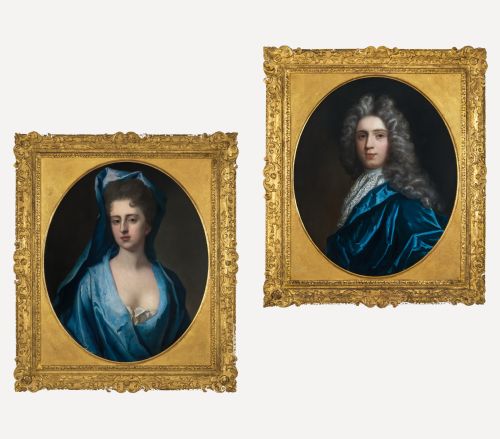
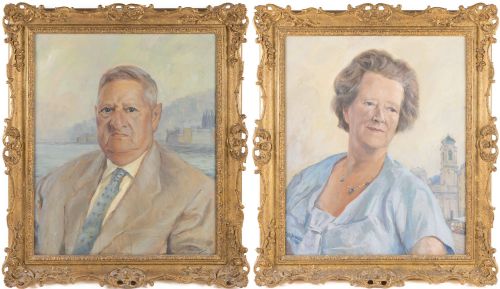
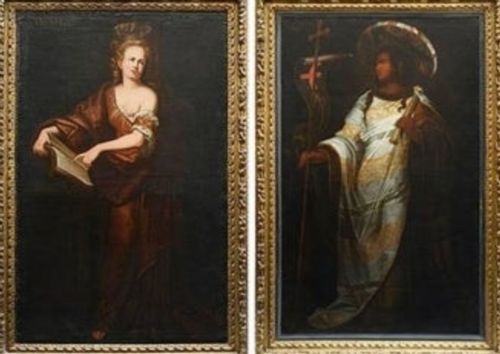
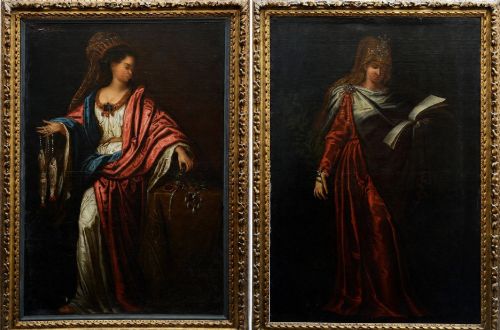
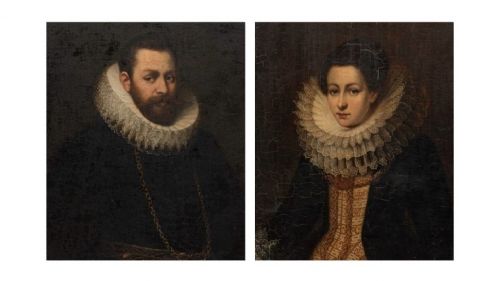
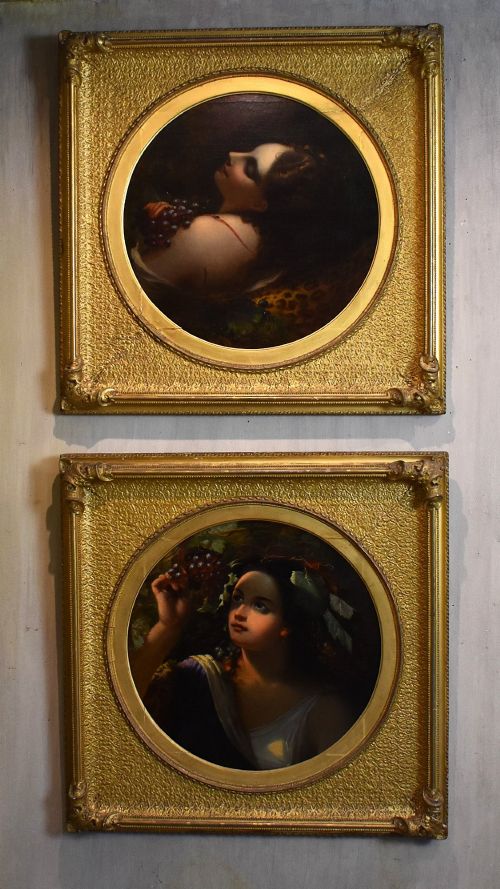


Pair of Oil Portraits
Pair of oil portraits offer matched character and balanced composition for any wall.
Pair of Oil Portraits
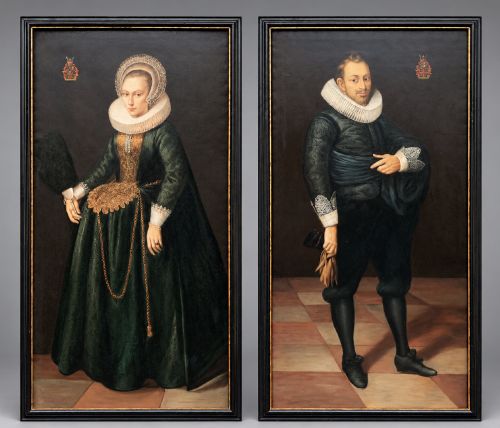
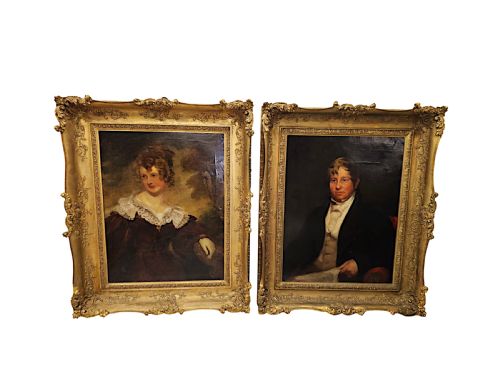
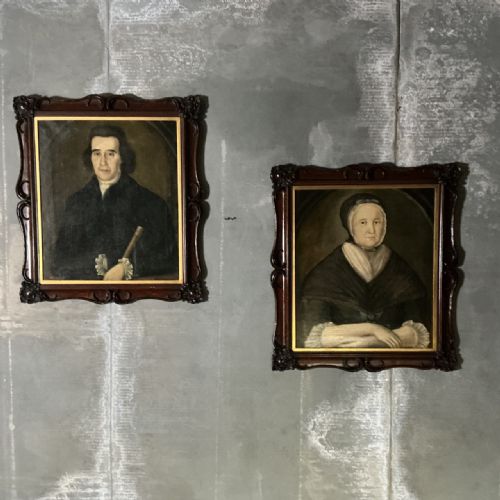
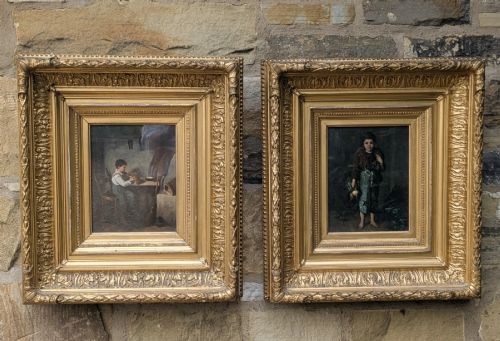
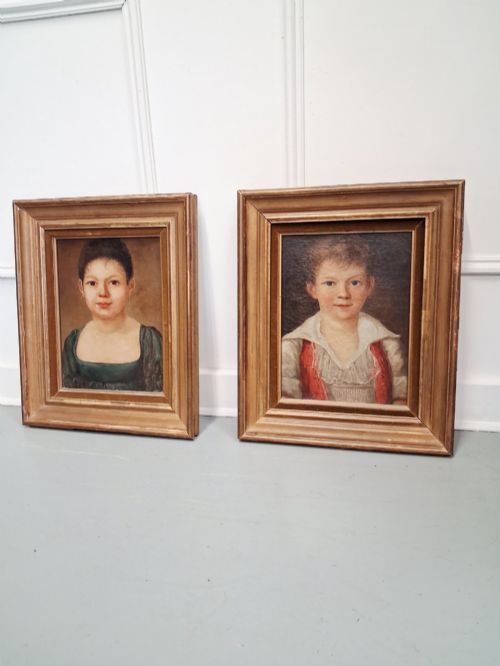
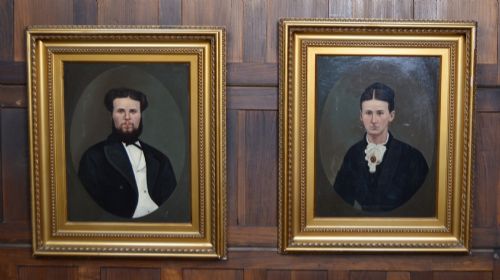
A pair of oil portraits consists of two complementary paintings created together, frequently depicting a gentleman and lady, family members, or companion subjects. These matched works span from the seventeenth century through the Edwardian period, capturing sitters in formal attire or rural settings.
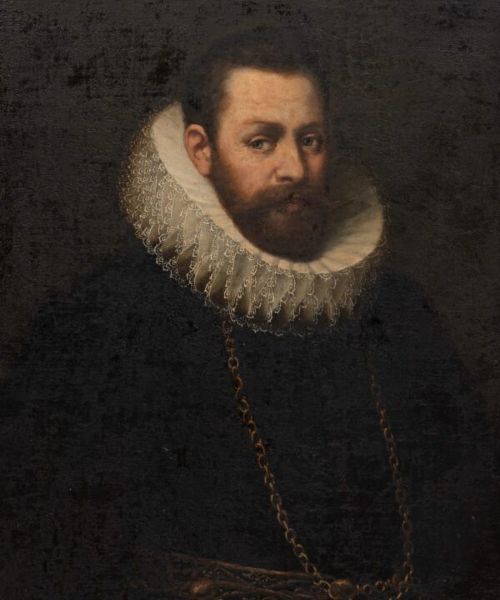
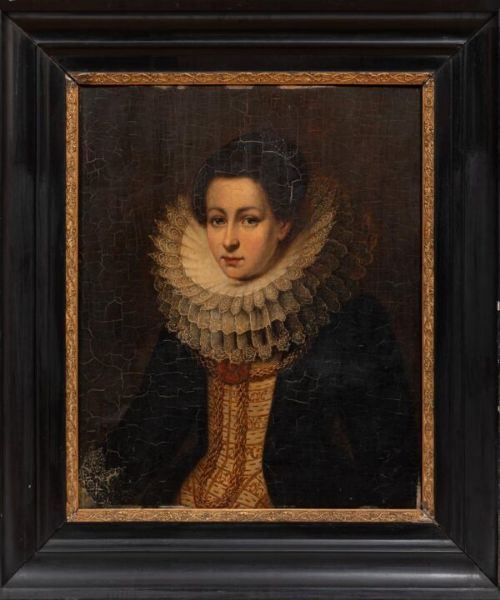
Buyers browsing this selection encounter nineteenth-century canvases, eighteenth-century British and French school examples, and earlier Dutch works featuring intricate ruff collars. The collection includes domestic subjects, historical militia, children, and paired animal studies.
Companion pieces often share identical framing, dimensions, and backgrounds, designed to hang symmetrically on either side of a fireplace or architectural feature. Surviving sets preserve historical lineages and domestic partnerships across centuries.
How They Were Made
Painters applied oil paint to stretched canvas, wood panels, or occasionally tin plates, layering pigment to build depth in clothing, skin tones, and background shadows. Artists utilised fine brushes to render facial expressions and detailed textiles such as lace ruffs.
Makers housed these artworks in substantial wooden frames finished with gesso and giltwood, creating ornate borders that complemented the status of the sitters. Original frames often feature swept corners and decorative moulding characteristic of their period of origin.
Pair of Oil Portraits Retail Price Guide 2026
Typical asking prices for pair of oil portraits among the pieces listed under this phrase on Sellingantiques today, from the lower quarter to the upper quarter. They describe what is for sale here now, not the wider market.
Listings feature canvases spanning the seventeenth century to the mid-twentieth century, including works on wood, tin, and vinyl canvas.
What Varies in Quality
The standard of a matched set depends upon the anatomical accuracy of the figures, the fluidity of brushwork, and the psychological depth captured in the sitters' expressions. Superior examples display confident handling of light and shadow, particularly in the rendering of fabrics and hands.
The survival of original matching frames contributes significantly to the integrity of a set, as replacements alter the historical presentation. Consistency in scale, palette, and condition between both canvases determines the visual balance when displayed together.
Michael Dahl·Thomas Murray·Charles-Antoine Coypel·Theodore Jensen·Ferruccio Vitale·Hermann Armin Kern·W.A. Clark·Federico Andreotti·Francois Boucher·Nicolaes Maes·Henry Frederick Lucas-Lucas·Eva Hollyer
The Pair of Oil Portraits Glossary
- Companion portraits
- Two separate paintings executed as a matching pair, usually depicting related individuals or balanced subjects. They share similar dimensions and artistic styles.
- Giltwood
- Wood carved and coated with a thin layer of gold leaf or metallic gilt. This finish was standard for luxury picture frames.
- Gesso
- A plaster-like mixture applied to wood or canvas as a base for paint or gilding. It provides a smooth surface for intricate frame mouldings.
- Ruff collar
- A prominent pleated or fluted collar worn during the sixteenth and seventeenth centuries. Their detailed depiction often indicates the social status of the sitter.
Pair of Oil Portraits: Frequently Asked Questions
Why were companion portraits painted?
Artists created companion portraits to commemorate marriages, family alliances, or significant social status by pairing a husband with a wife or matching related subjects. These matched sets allowed families to display lineage and domestic partnership symmetrically in their homes.
Commissioning two paintings simultaneously ensured consistency in the artist's style, sitter scale, and framing. Over time, these matched pairs preserved historical relationships across generations.
How can I tell the period from the frame?
Frames often provide immediate clues to the era of a painting through their moulding profiles, corner decorations, and gilding techniques. Eighteenth-century frames frequently feature carved wooden ornament, while nineteenth-century examples often utilise heavy gesso mouldings.
Original frames that match the wear and construction of the stretcher bars strongly support the dating of the artwork within.
What subjects appear besides people?
Beyond human sitters, artists paired animals, sporting dogs, horses, and allegorical scenes such as classical figures or mythological pairings. These non-human subjects served decorative or commemorative functions for country estates and townhouses.
Such sets followed the same compositional balance and framing conventions as traditional portraiture.