

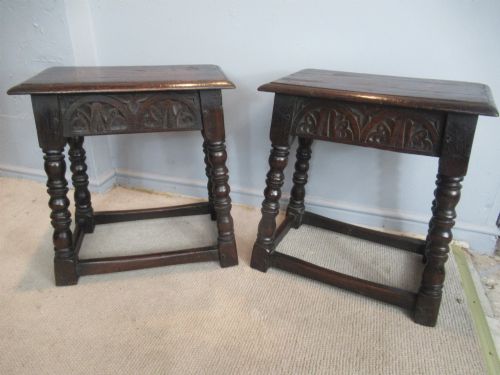
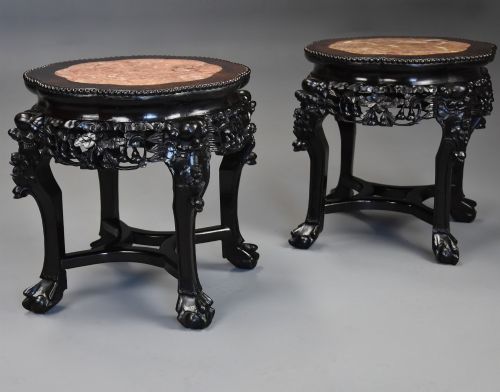
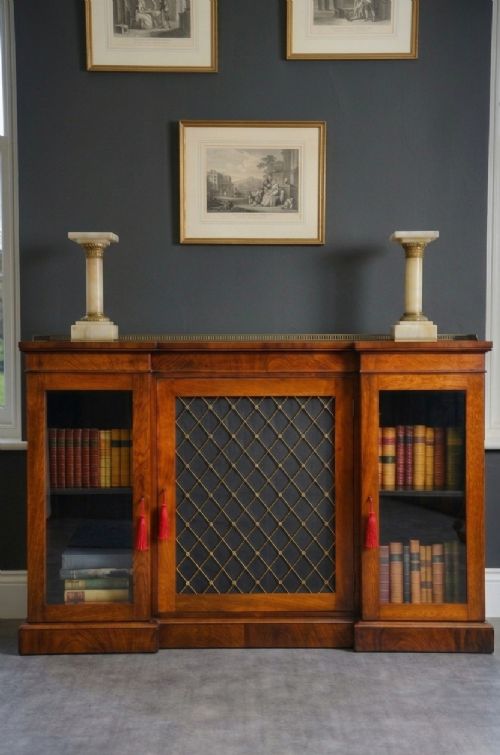
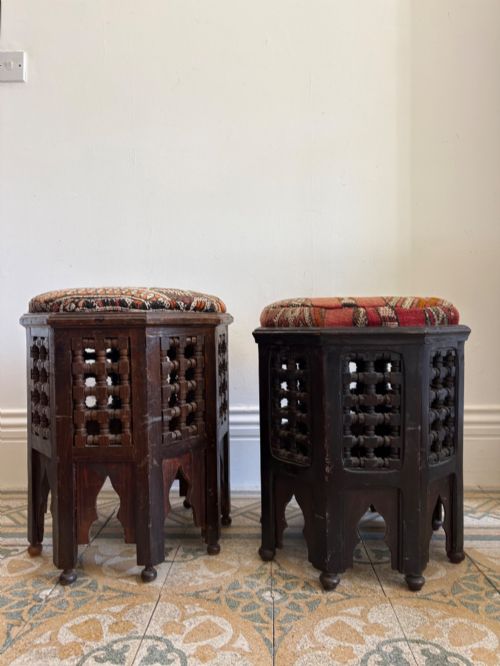
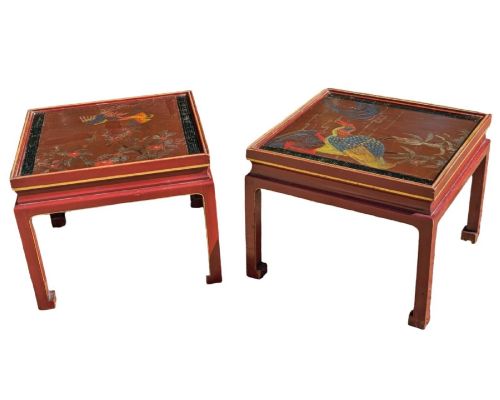
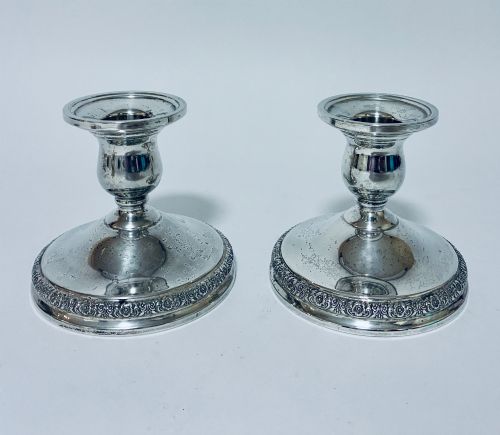
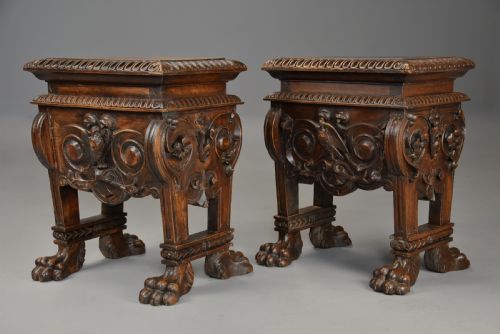
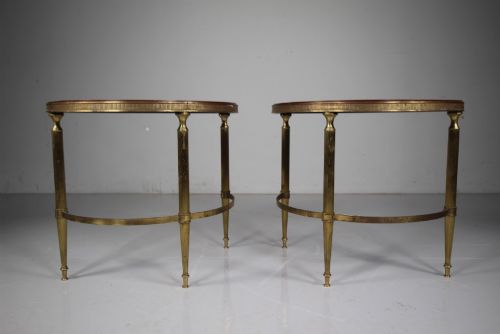
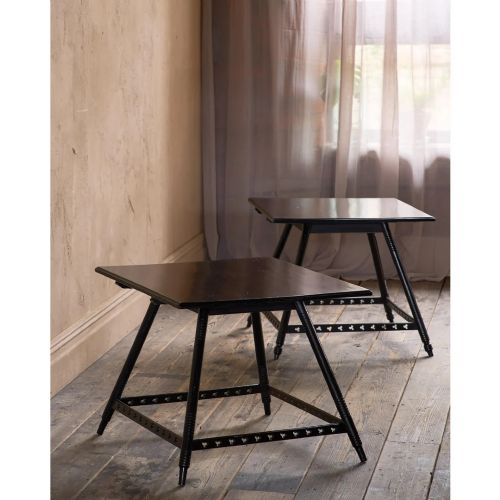
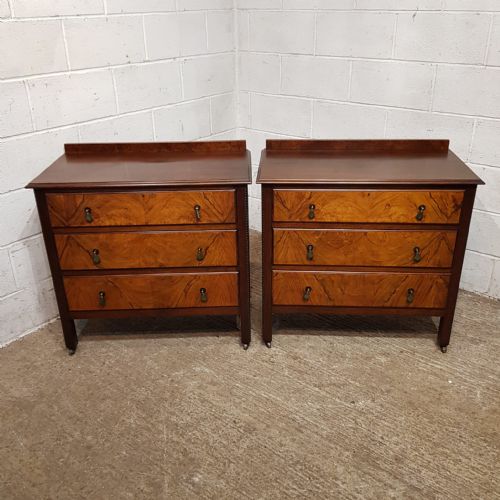


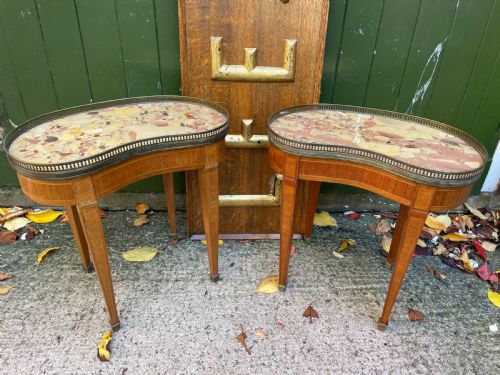
Pair of Low Tables
These pair of low tables pieces combine functional surfaces with diverse antique periods, offering a practical way to anchor a room.
Pair of Low Tables
A pair of low tables encompasses various low-slung surfaces and stands designed for domestic use across several centuries. Buyers seeking these items encounter a mix of forms including coffee tables, side tables, and decorative plant stands.
The selection frequently includes items derived from broader low furniture categories, such as stools repurposed as tables, Chinese hardwood stands, and display pieces. Nineteenth-century examples and 1930s creations appear with regularity.
Origins span from traditional European workshops to Chinese production, incorporating styles like Chinoiserie, Art Deco, and Moorish Revival. This variety ensures that matching pairs suit diverse interior schemes.
Materials and construction methods
Construction relies heavily on timbers such as walnut, mahogany, oak, and dense Chinese hardwoods, sometimes enhanced with ebonised finishes or marquetry-inlaid satinwood. Brass components and marble tops provide alternative surfaces on specific forms.
Joinery techniques reflect the period of origin, from traditional European cabinet-making to intricate Asian joinery found on nineteenth-century Chinese stands and lacquer tables.
Pair of Low Tables Retail Price Guide 2026
Typical asking prices for pair of low tables among the pieces listed under this phrase on Sellingantiques today, from the lower quarter to the upper quarter. They describe what is for sale here now, not the wider market.
Some low tables began life as tailors' display pieces or pot stands before finding a second career holding cups of tea.
Evaluating craftsmanship and condition
Quality rests in the selection of timber, the precision of inlay or carving, and the overall integrity of the structure. Superior pieces display thoughtful grain matching and well-executed decorative details rather than mass-produced uniformity.
Makers such as Edwards and Roberts demonstrate the high standard achievable in Victorian marquetry work, whilst unsigned pieces vary according to the original workshop's skill in joinery and surface finish.
Gilbert Rohde·Edwards and Roberts
The Pair of Low Tables Glossary
- Marquetry
- Decorative veneer applied to furniture in geometrical patterns or pictorial scenes. It requires considerable skill to cut and fit different wood types together.
- Hardwood
- Timber from broad-leaved trees, such as mahogany and walnut, valued for durability and fine grain. These woods form the primary structure of many antique tables.
- Chinoiserie
- European artistic style reflecting Chinese motifs and techniques, popular in furniture decoration. Artisans applied this to lacquerwork and surface designs.
- Demi-lune
- Half-moon shape utilised in table design to allow placement flat against a wall. Such tables function effectively as side or console surfaces.
Pair of Low Tables: Frequently Asked Questions
What are low tables used for?
These pieces serve as functional surfaces for displaying objects, holding lamps, or placing drinks within easy reach of seating.
Their low height makes them suitable for placement beside sofas or as central coffee tables in a living space.
How do I identify a 19th-century table?
Examine the timber, construction joints, and decorative motifs to determine the likely era of manufacture. Nineteenth-century pieces often utilise solid hardwoods or specific veneer combinations characteristic of the period.
Consulting recorded styles such as Aesthetic Movement or Victorian helps narrow down the decade of production.
Are matched pairs common?
Many listings feature items originally created as a pair, whilst others represent matched sets assembled later based on similar dimensions and style.
Matching pairs provide visual symmetry when positioned together in a room layout.
How do I care for antique wooden tables?
Maintain timber surfaces by dusting regularly with a soft cloth and avoiding placement near direct heat sources or strong sunlight.
Applying appropriate wax polishes occasionally helps preserve the finish and nourish older wood.