




Pair of Garden Seats
These pair of garden seats bring architectural presence to exterior spaces, spanning durable metal forms and decorative ceramic barrels.
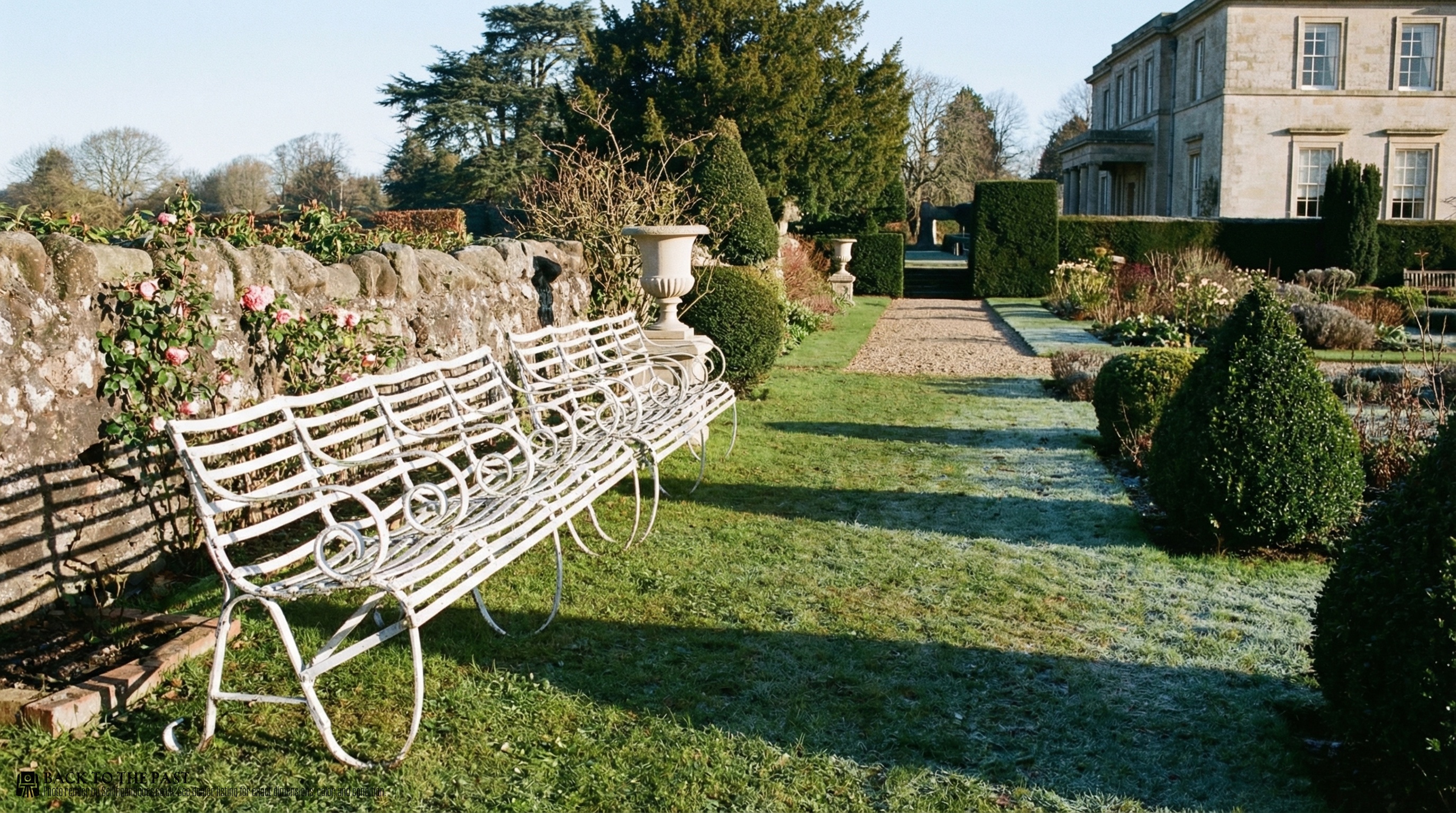
Pair of Garden Seats
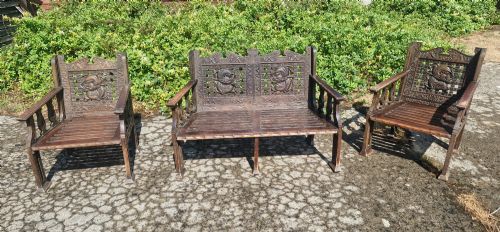
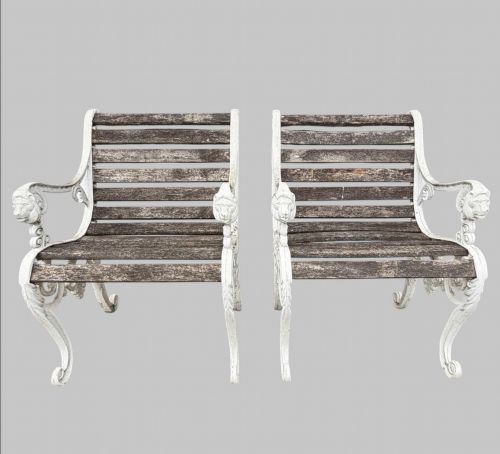
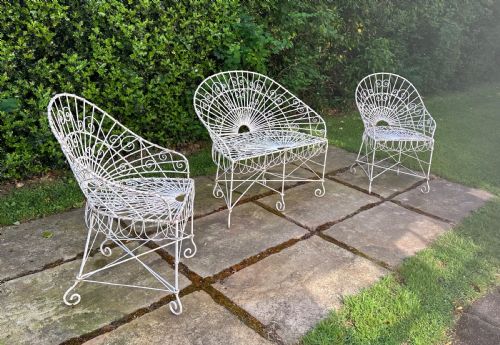
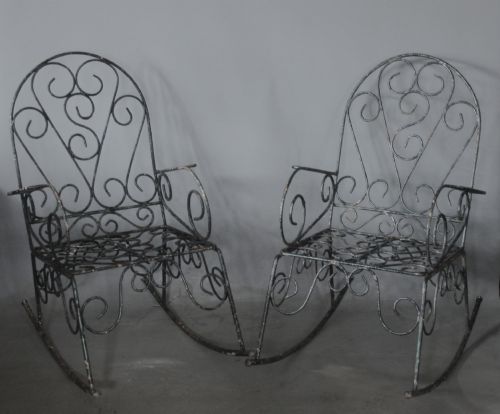
A search for a pair of garden seats reveals a diverse selection of matching exterior and conservatory furniture, ranging from heavy metal benches to ceramic barrels. The pieces available draw on Victorian, Gothic Revival, and Chinese Qing Dynasty styles, alongside French Riviera and English Country influences. Buyers frequently encounter cast iron and wrought iron benches alongside porcelain barrels and stone figures.
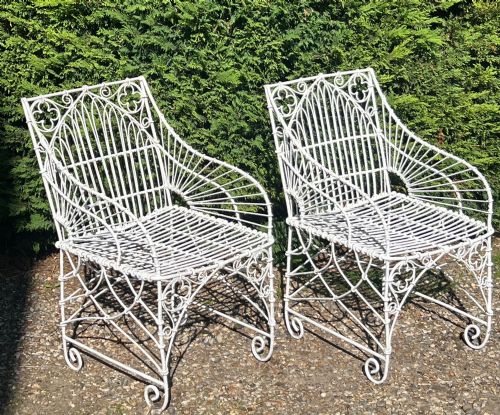
The objects serve functional and decorative roles across grounds and verandas, encompassing armchairs, rocking chairs, and multi-piece seating suites. Metal benches often feature naturalistic leaf motifs, serpent designs, or geometric strap work. Ceramic and porcelain variants provide barrel-shaped alternatives originating from Chinese dynasties and European potteries.
Materials and Technique
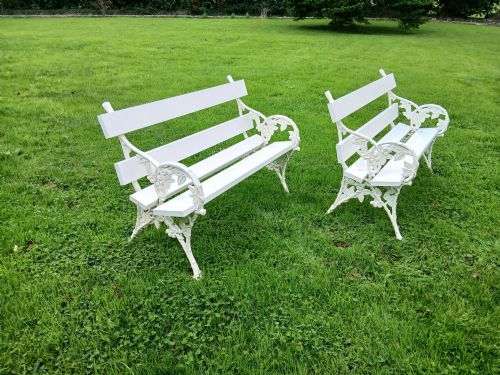
Foundries utilised cast iron and wrought iron for metal benches, shaping molten metal into intricate patterns such as the Blackberry and Leaf design or Gothic tracery. Bench ends were cast separately and combined with timber slats in Victorian examples. Paint, enamel, and sometimes applied glaze provided protective and decorative finishes to the metal surfaces.
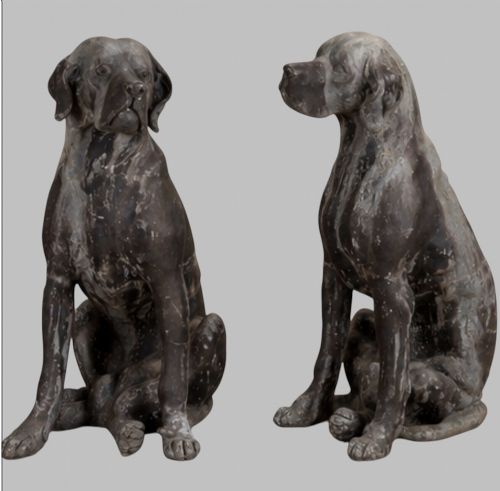
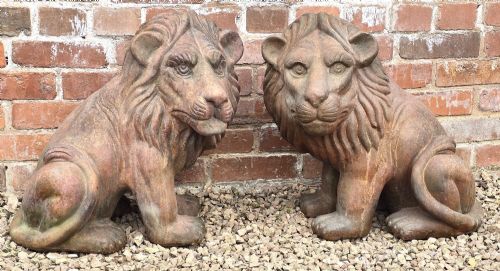
Ceramic and porcelain pieces, including Chinese Famille Rose and Rose Medallion barrels, relied on high-fire clay bodies finished with detailed polychrome enamel painting and clear glazes. Stone and terracotta items involved hand sculpting or casting in reconstituted stone and lead, creating robust figures such as seated lions and hounds.
Sit down amongst a stony pride of lions, hounds, and guardians keeping watch over the lawn.
Quality Indicators
The standard of a pair of garden seats rests on the crispness of the casting and the depth of the modelled detail, particularly in ironwork and terracotta. Superior metal pieces display sharp, clean lines in botanical or figural motifs without the blurring common in later secondary casts. Maker attribution also plays a role, with documented foundries commanding greater attention.
In ceramic and porcelain pieces, the complexity of the hand-painted enamels and the preservation of the glaze determine the calibre of the work. Structural integrity in timber-and-iron combinations and the original survival of painted or enameled surfaces further distinguish superior examples from heavily restored ones.
Falkirk Carron Foundry·Coalbrookdale·Val D'osne·Minton·Burmantofts
The Pair of Garden Seats Glossary
- Cast Iron
- Molten iron poured into a mould to create rigid, highly detailed structures such as bench ends and garden seats. It allows for intricate botanical and figural relief work.
- Famille Rose
- A palette of Chinese porcelain enamels dominated by opaque pink, developed in the Qing Dynasty. It appears on ceramic garden seats alongside floral and figural motifs.
- Majolica
- A type of earthenware coated with an opaque tin-lead glaze and painted with coloured metal oxides. It produces vibrant, glossy garden seats from nineteenth-century European makers.
- Bench Ends
- The structural side supports of a garden seat, usually cast in iron and designed to hold wooden slats across the seat and back.
Pair of Garden Seats: Frequently Asked Questions
How do I maintain cast iron garden seats?
Cast iron garden seats require regular inspection for moisture exposure and weathering. Keeping surfaces clean and treating any exposed metal with appropriate protective coatings prevents rust formation.
Positioning the pieces on well-drained ground during winter months protects the base material from continuous dampness and frost damage.
Are porcelain garden seats frost resistant?
Porcelain and ceramic garden seats, including Chinese barrels and majolica pieces, are generally vulnerable to freezing temperatures. Absorbed moisture can expand and crack the glazed ceramic body.
Collectors usually move ceramic seating indoors or into a sheltered conservatory during the colder winter months to preserve the glaze.
What is the difference between bench ends and complete benches?
Bench ends are the cast iron side supports sold separately to be fitted with new timber slats. Complete benches comprise both the metal framework and the original seating slats.
Buyers should check listings carefully to confirm whether timber components are included or if replacement slats are required for assembly.