
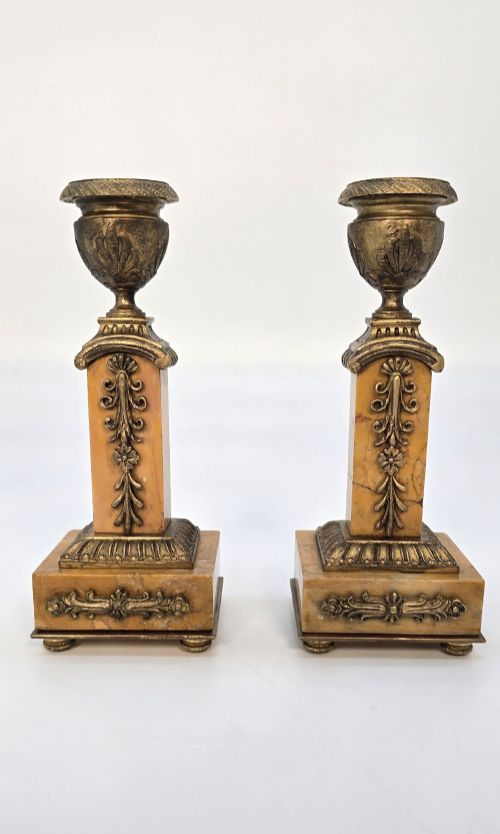
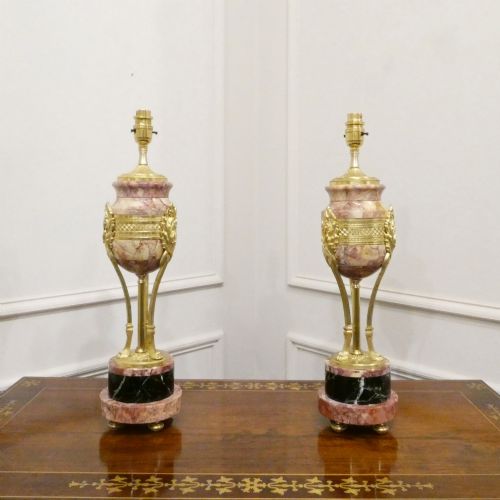
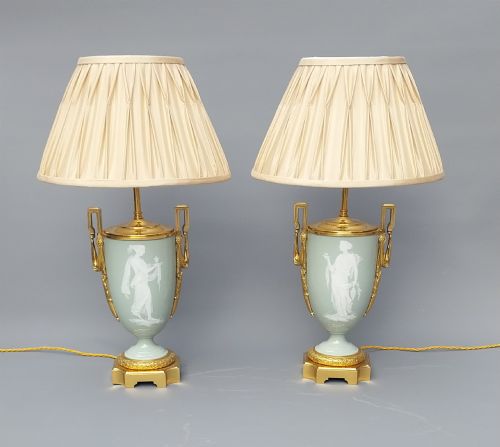
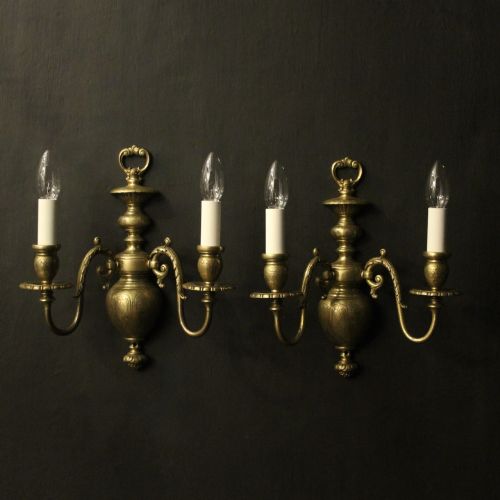
Pair of Bronze Lights
When searching for a pair of bronze lights, collectors encounter balanced arrangements of cast metal fittings designed to illuminate period interiors.
Pair of Bronze Lights
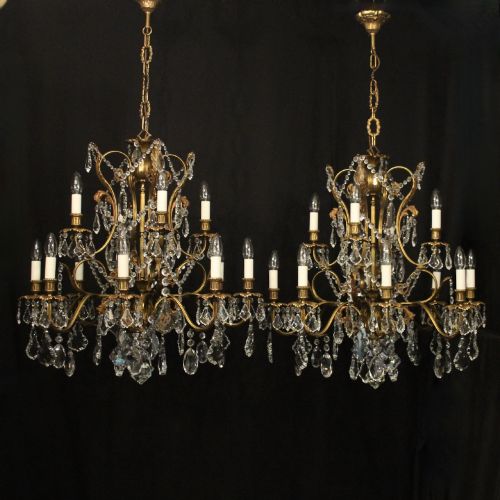
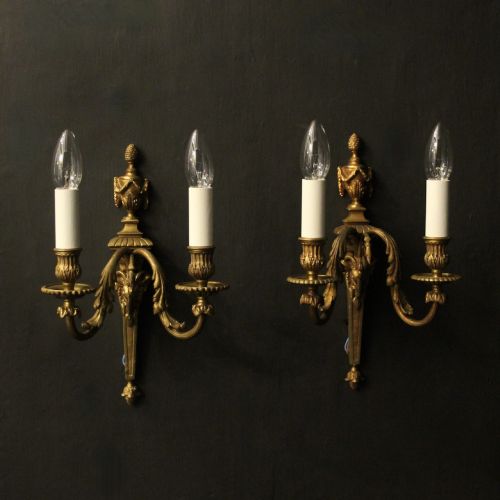
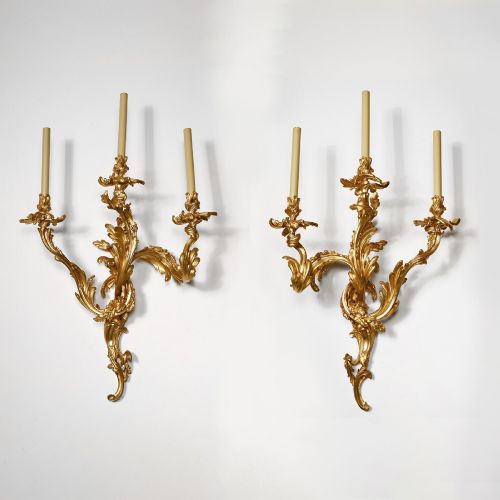
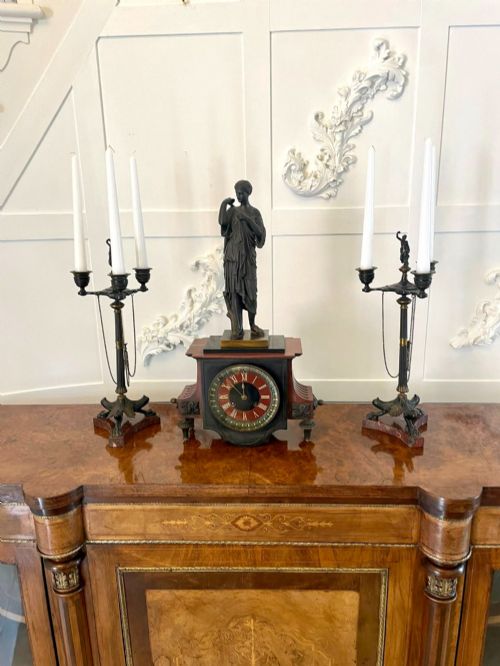
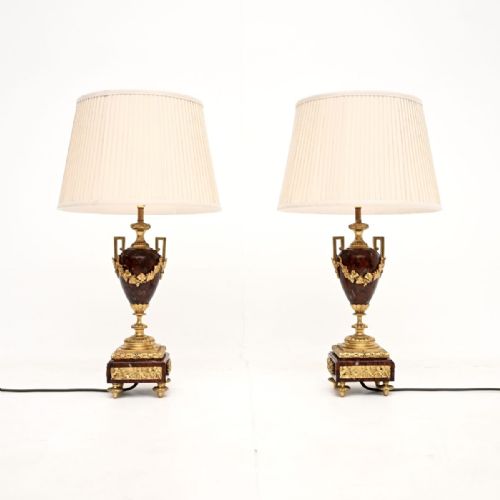
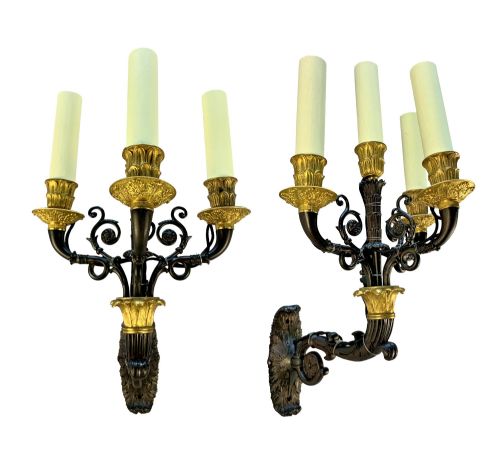
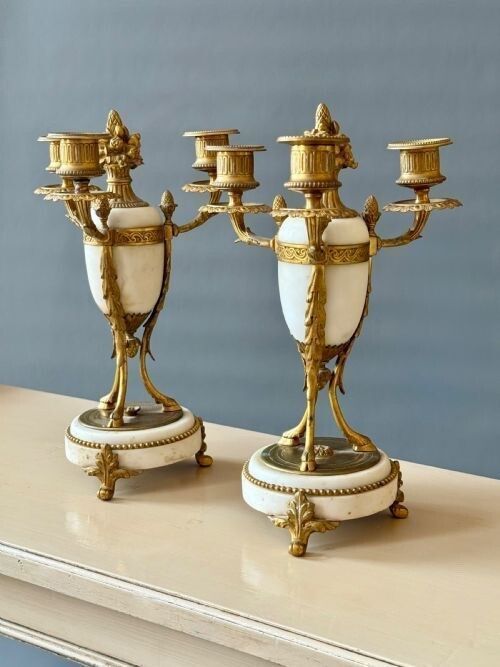
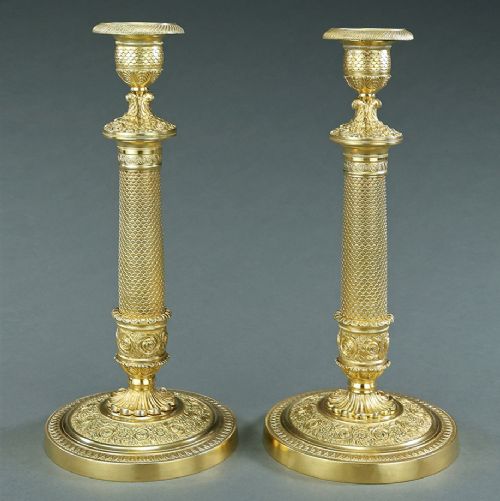
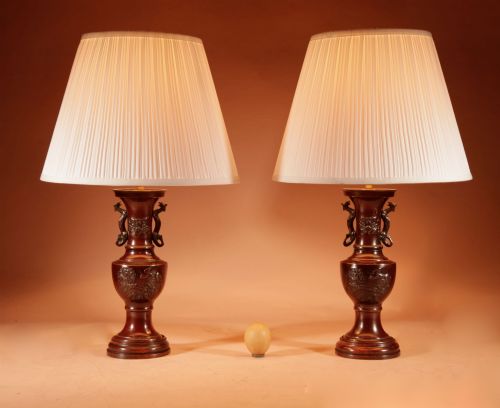
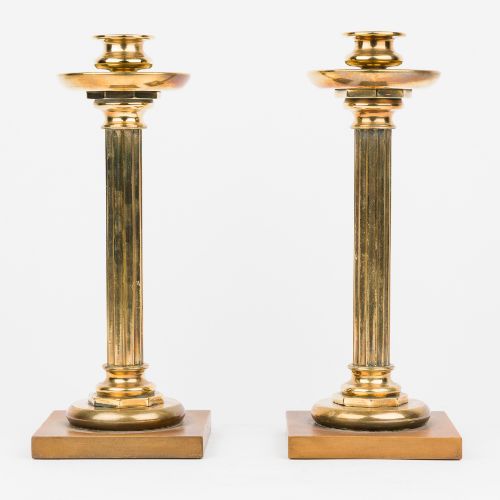
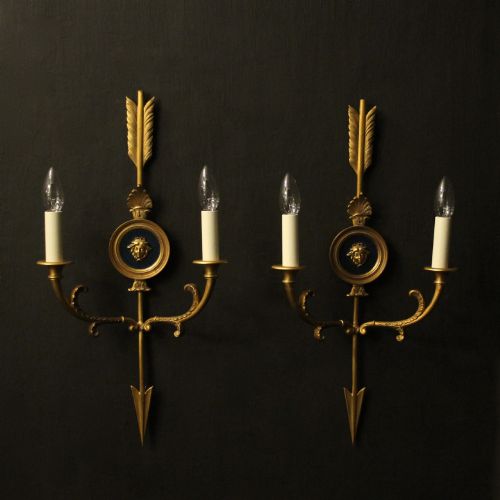
A buyer seeking a pair of bronze lights encounters diverse configurations including multi-arm wall sconces, candelabra, and table lamps originating from various decorative periods. The selection on this page leans heavily towards French wall lights and candelabra executed in styles ranging from Rococo to Neoclassical and Empire.
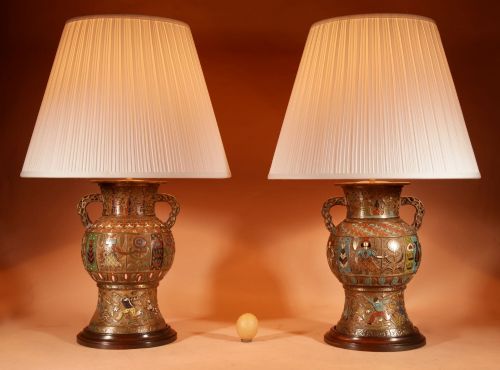
Beyond wall fixtures, the records show tabletop lighting and hanging chandeliers incorporating cast metal alongside marble, crystal, and porcelain elements. These objects bridge the gap between functional illumination and sculptural interior decoration.
Materials and casting methods
Foundries utilised bronze, brass, and patinated metal, frequently applying gilt or ormolu finishes to enrich the surfaces with golden sheens. Complex forms relied on lost-wax casting or sand casting, allowing artisans to achieve intricate botanical motifs, cherubs, and animal details.
Secondary materials such as white marble, onyx, and crystal frequently form bases, drops, or columns that complement the heavy cast metal components. Hand-chasing after casting sharpened the details on superior examples before final assembly.
Listings feature items spanning the 18th century through the early 20th century, encompassing Regency, Empire, and Victorian design aesthetics.
Distinctions in execution
The standard of a pair of bronze lights rests primarily on the crispness of the chasing and the depth of the original gilding or patination. Pieces that retain sharp relief in their foliage, figures, and architectural mounts separate themselves from softer, worn castings.
Proportion and structural integrity also dictate worth, with superior items displaying balanced arms and secure joinery where branches meet the backplate or stem. Maker attribution further elevates certain examples above standard commercial production.
Barbedienne·Francois Redmond·E Rousseau·Casier·Pierre Philippe Thomire·Gerfaux Paris
The Pair of Bronze Lights Glossary
- Ormolu
- Gilt bronze produced by applying a finely ground high-carat gold-mercury amalgam to a bronze object before firing. This technique creates a durable, warm golden surface characteristic of fine French decorative objects.
- Candelabra
- A branched candlestick designed to hold multiple tapers or candles simultaneously. These freestanding pieces often feature elaborate figural stems and removable nozzle inserts.
- Sconce
- A wall-mounted lighting fixture designed to project illumination outward into a room. Historical examples frequently incorporate mirrored backs or decorative backplates to reflect candlelight.
- Champleve
- An enamelling technique where troughs or cells are hollowed out of a metal surface and filled with vitreous enamel prior to firing. It appears on various decorative metal accents and lamp bases.
- Patinated metal
- Metal treated with chemicals, heat, or age to develop a stable surface coloration distinct from bare metal. This finish darkens the bronze or brass to highlight sculptural contours.
Pair of Bronze Lights: Frequently Asked Questions
How do I clean antique bronze?
Dust gently with a soft dry cloth to preserve the historical surface and any delicate gilding.
Avoid commercial metal polishes, as abrasive compounds strip away original ormolu and patination.
Are these lights wired for electricity?
Many table lamps and converted candelabra feature modern wiring suitable for contemporary domestic installation.
Original wall sconces and chandeliers may retain historical candle sockets or require professional rewiring for safe operation.
How do I date a bronze light?
Examine the casting quality, fastening screws, and stylistic motifs against known historical periods like Empire or Louis XVI.
Maker signatures and foundry marks stamped into the metal provide the most definitive chronological anchor.
Can wall sconces support heavy candles?
Historical wall lights were engineered to bear the weight of wax tapers within standard drip pans or nozzles.
Modern users should match the candle diameter to the sconce cup to ensure secure placement.