


Pair of Desks
A pair of antique desks brings symmetry and matched period character to a study.
Pair of Desks
When you search for a pair of antique desks, you encounter matched sets intended for dual workspaces or a unified interior scheme. The evidence shows these functional pieces appearing alongside related seating and writing furniture from various eras.
The selections span centuries from the Georgian period through the nineteenth century and into the twentieth century, with materials like mahogany and rosewood defining the primary forms.
How they were made
Cabinetmakers utilised dense timbers such as mahogany and walnut, often shaping them with traditional joinery to ensure structural stability over generations.
Surface treatments included fine polish, leather inserts for writing surfaces, and brass hardware that added functional detail to the timber framework.
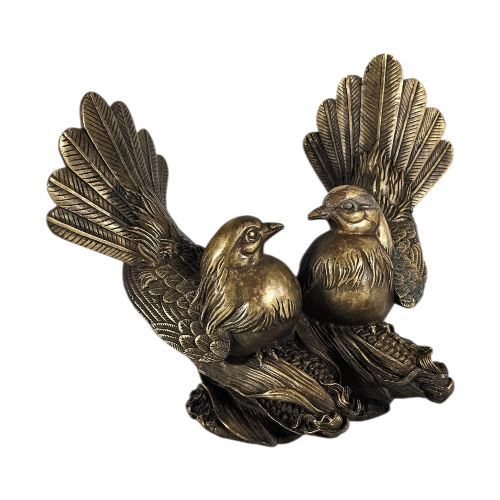
A pair of carved Black Forest owls keeps watch over the desk inventory as bookends.
What varies in quality
The degree of hand-carving and the selection of figured timber grain distinguish standard examples from finer commissions.
Proportion, symmetry between the two pieces, and the preservation of original surfaces dictate the standing of a matched pair within the historical range.
Charles Tozer·Edmé Samson·W.A.S. Benson
The Pair of Desks Glossary
- Georgian
- A period spanning the eighteenth century characterised by classical proportions and mahogany construction. It covers the reigns of the first four Georges.
- Rosewood
- A heavy, dark timber with distinct figuring utilised for fine cabinetwork. It holds a high polish and provides a rich colour.
- Demilune
- A half-moon shape used for tables designed to stand flat against a wall. This form appeared frequently in eighteenth-century and nineteenth-century design.
- Inlay
- A decorative technique where contrasting materials are inserted into recesses within a timber surface. It creates geometric or floral patterns across the wood.
Pair of Desks: Frequently Asked Questions
How do I date a pair of antique desks?
Dating relies on examining the secondary timbers used in drawer construction, the style of the brass hardware, and the joinery methods visible underneath.
Changes in fashion from Georgian classical lines to Victorian mass production help narrow the decade of manufacture.
Where should I place twin desks?
Matched desks work well positioned back-to-back in the centre of a large study or placed symmetrically against opposite walls.
Ensure adequate natural light reaches both writing surfaces if they are to be used simultaneously.
Are these desks suitable for daily work?
Many historical desks accommodate modern seating and writing habits provided the writing height aligns with ergonomic needs.
Leather inserts and stable timber tops offer durable surfaces for regular use.
What woods were used for these desks?
Makers frequently selected durable hardwoods such as mahogany and rosewood for their strength and attractive grain patterns.
Secondary woods like oak or pine often appear inside drawer linings and unseen structural components.