
Pair Metal Urns
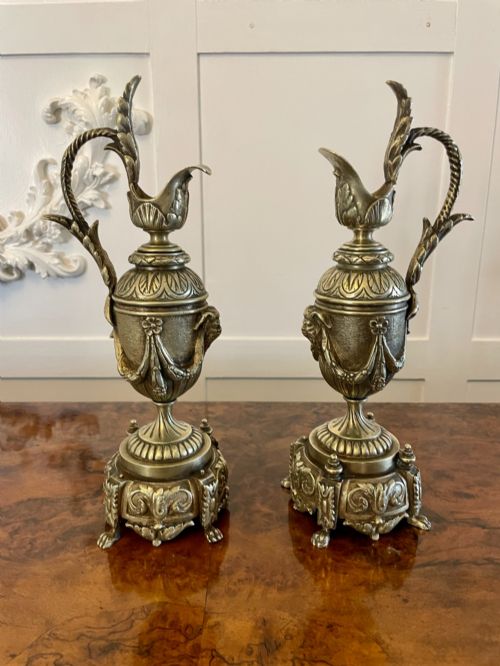
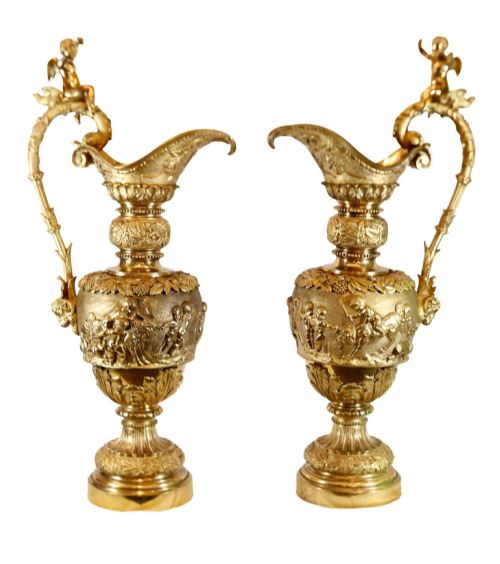
When you search for pair metal urns, you are looking at substantial decorative vessels cast or forged in bronze, iron, brass, and gilt metal.
Pair Metal Urns
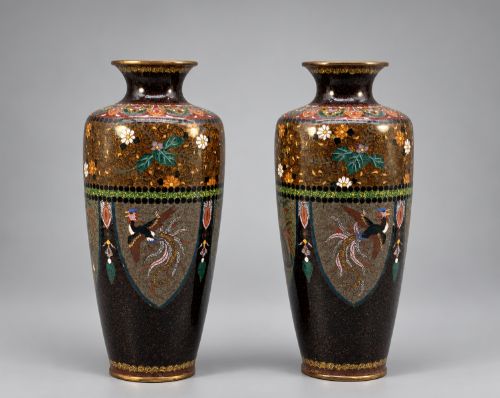
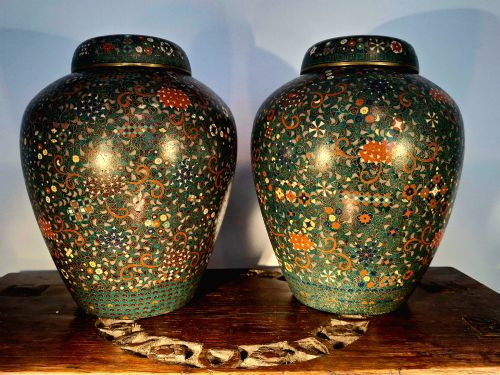
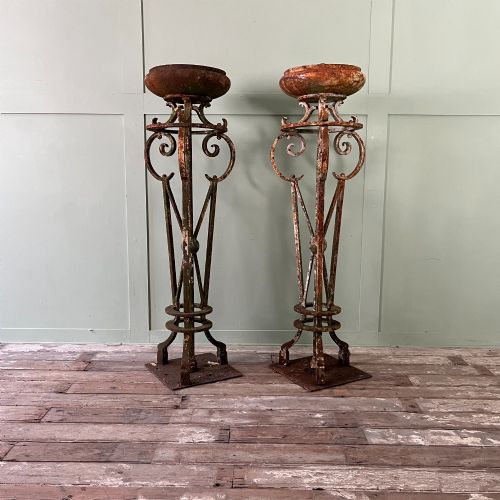
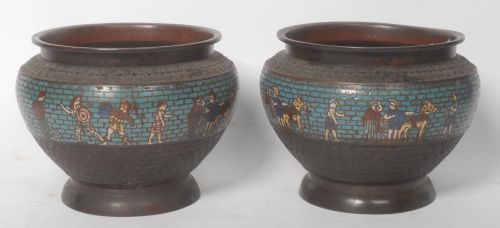
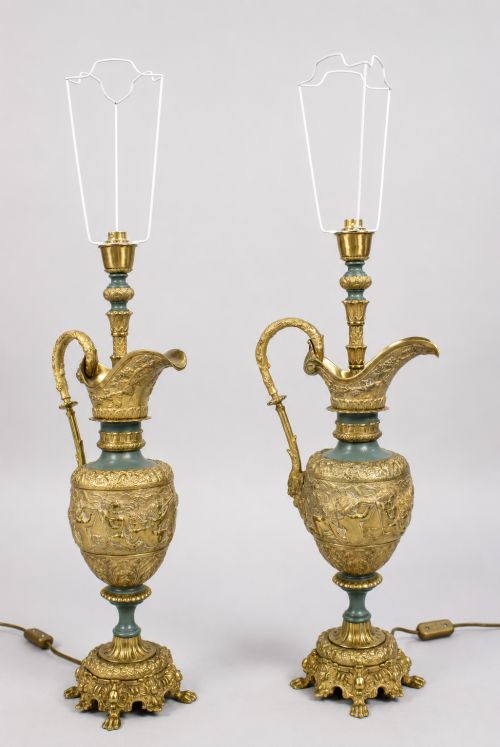
When searching for pair metal urns, collectors encounter dual vessels designed for symmetry and visual balance, primarily originating from the nineteenth century. These objects span garden urns, table lamps, lidded vessels, and decorative vases cast in diverse metals.
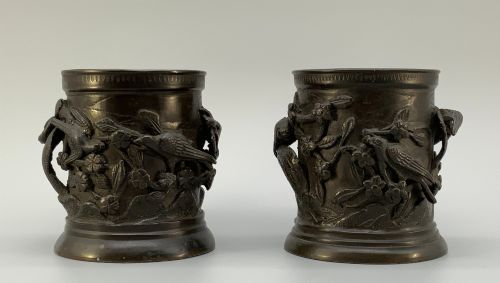
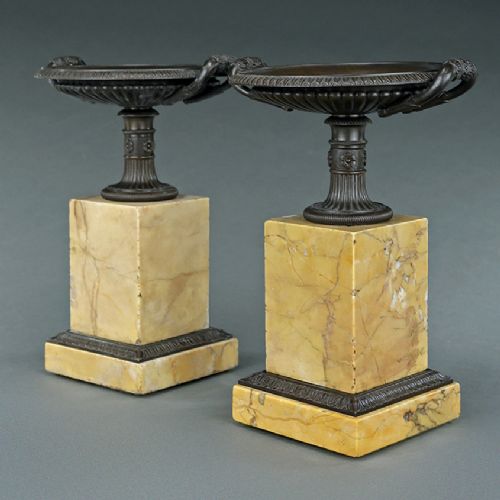
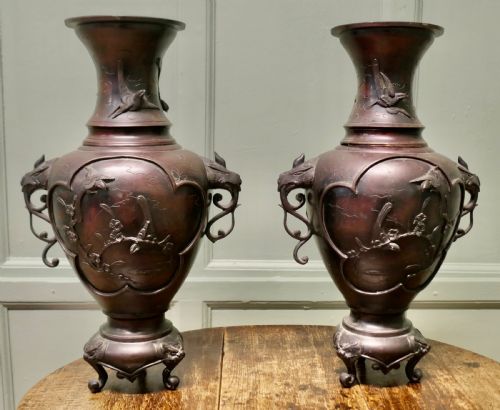
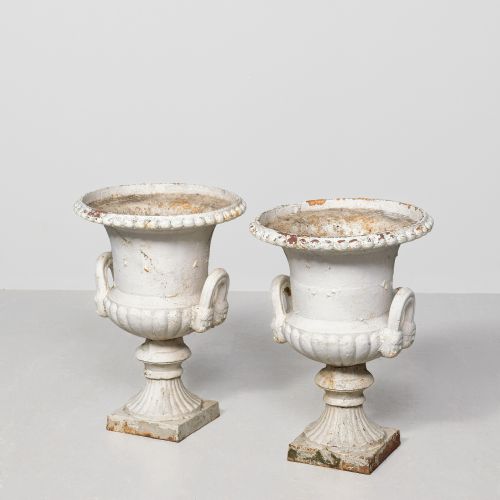
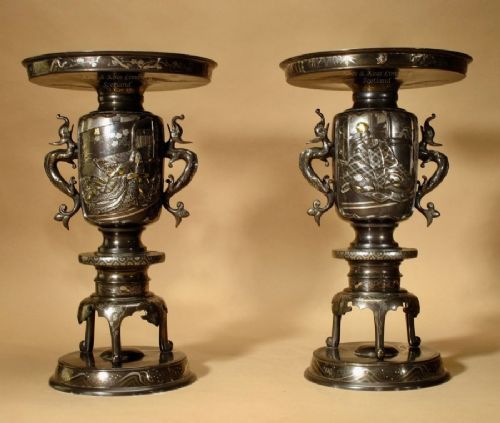
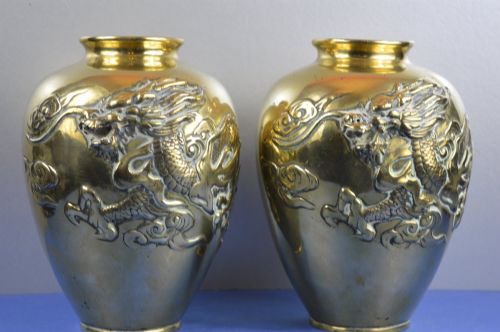
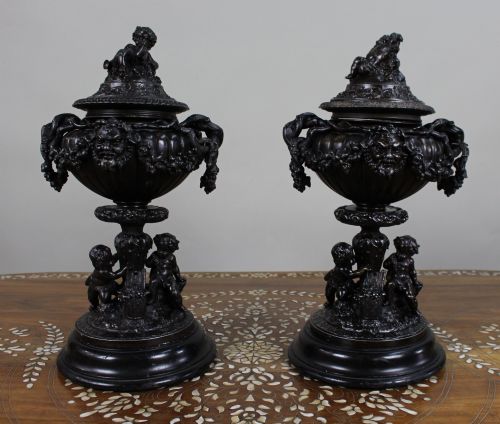
The selection includes French Empire and Neoclassical styles alongside Japanese Meiji period bronzes and heavy cast iron garden planters. Many examples reflect the Grand Tour tradition, translating classical antiquity into ornamental bronze, marble, and ormolu.
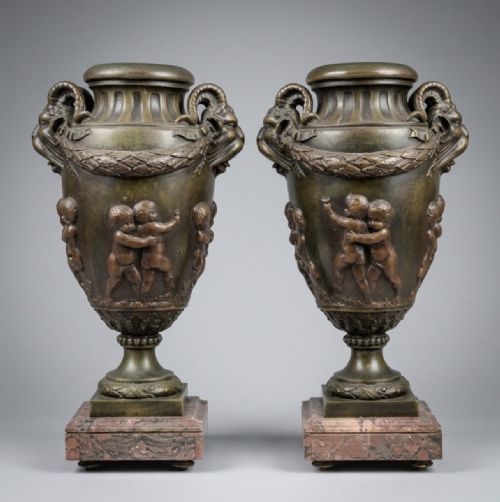
Domestic interiors and formal gardens both accommodate these matching pieces, which frequently utilise classical motifs such as Bacchic masks, putti, and twin handles. They serve as mantelgarnitures, pedestal centrepieces, or architectural garden focal points.
How they were made
Foundries shaped these metal urns through traditional casting methods, utilising bronze, cast iron, brass, and spelter. Molten metal poured into moulds captured intricate surface details, from figurative friezes to delicate botanical relief work.
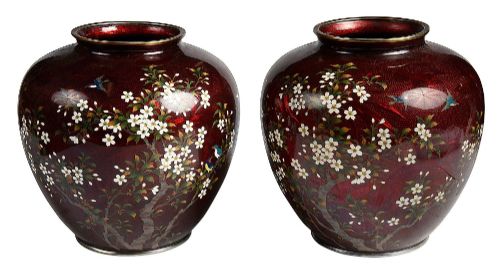
Many items combine metalwork with other substances, pairing patinated or gilt bronze with marble pedestals, Siena marble bases, or applied enamel and cloisonné. Surface finishes range from polished brass and painted cast iron to fire-gilt ormolu and dark patination.
Listings feature nineteenth-century cast iron, bronze, and brass pieces styled in the Neoclassical, French Empire, and Japanese Meiji traditions.
What varies in quality
The crispness of the casting defines the upper tier of these metal vessels, where chased details remain sharp and expressive. Finer examples display meticulous hand-finishing on figures, foliage, and classical masks rather than soft, muddy outlines from worn moulds.
Material composition and assembly also separate standard production from exceptional pieces. Superior pairs integrate quality stones like marble or feature heavy, substantial metal gauges with secure, well-fitted mounts and coherent patination.
Jules Moigniez
The Pair Metal Urns Glossary
- Campana urn
- A bell-shaped vessel with a flared rim and footed base, frequently cast in iron or bronze for classical garden or interior decoration.
- Grand Tour
- A nineteenth-century travel phenomenon that inspired European workshops to produce miniature and full-scale bronze copies of ancient classical antiquities.
- Ormolu
- Gilt bronze created by applying a mercury-gold amalgam to a bronze base, producing a rich golden surface common on French decorative pieces.
- Spelter
- A zinc alloy utilised as a cheaper, softer alternative to bronze in nineteenth-century casting, often painted or bronzed to simulate heavier metals.
Pair Metal Urns: Frequently Asked Questions
Where should I place a heavy pair of metal urns?
Cast iron and bronze urns suit sturdy settings such as garden terraces, stone entryways, or heavy sideboards where their weight is safely supported.
Smaller pairs function well on mantelpieces, library tables, or as flanking ornaments on pedestals.
How do I distinguish bronze from spelter?
Bronze is heavier, colder to the touch, and rings with a clear tone when tapped, maintaining a stable dark patina over time.
Spelter is softer, lighter, and tends to show grey metal beneath scratches where the applied bronze paint has worn away.
What is a Grand Tour urn?
Grand Tour pieces are nineteenth-century souvenirs modelled on famous classical antiquities seen by travellers in Italian museums and archaeological sites.
These decorative objects bring classical architecture and mythological motifs into Victorian and Edwardian domestic interiors.
How do I care for antique metal surfaces?
Dust metal urns gently with a soft, dry cloth to protect patination and avoid abrasive modern cleaning agents that strip historical finishes.
Wax can preserve polished brass or bronze, but patinated and painted surfaces generally require minimal intervention beyond gentle cleaning.