


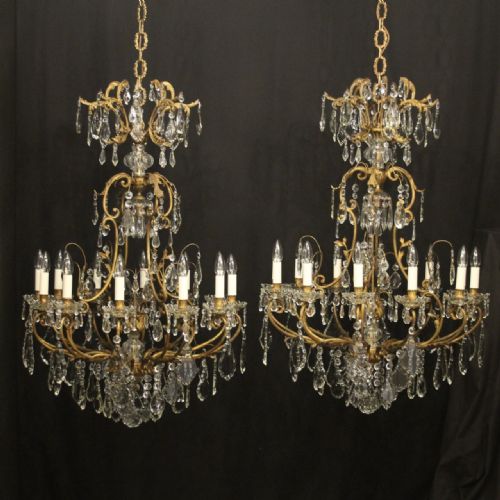


Pair Gilded Pendant Lights
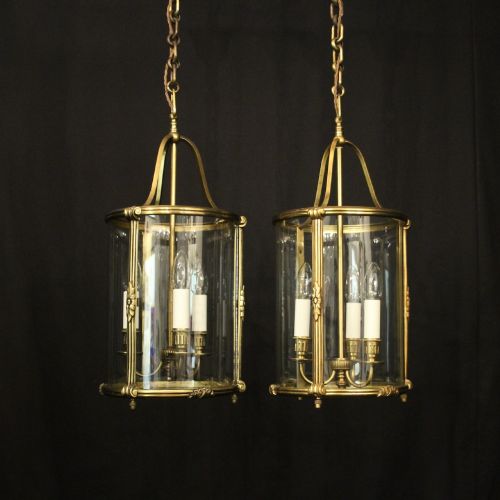
These pair gilded pendant lights offer matched symmetry and golden illumination, bringing period character directly to high-ceilinged rooms.
Pair Gilded Pendant Lights
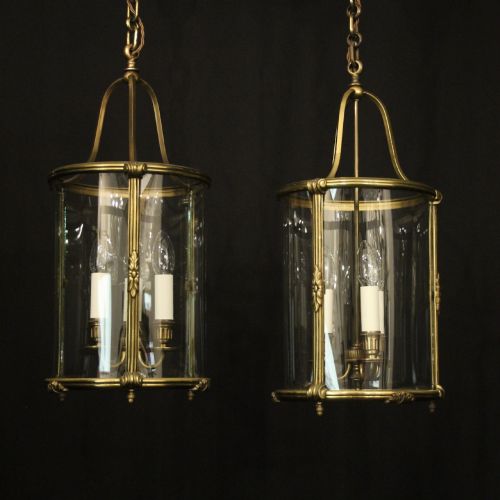
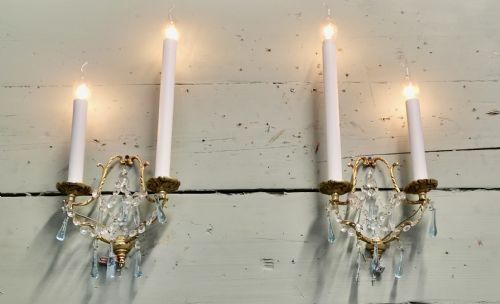
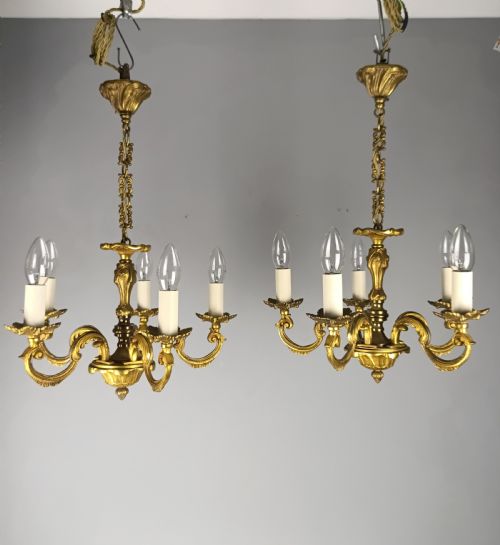
When you search for pair gilded pendant lights, you are looking at matched hanging fixtures finished in gold-toned metals such as gilt bronze, brass, or silver gilded bronze. These luminaires range from French lanterns and wall sconces to multi-light chandeliers featuring spike designs, drip candle tubes, and birdcage forms.
The selections on this page lean heavily towards early twentieth-century French designs, particularly from the 1900 to 1930 period, alongside Florentine examples. They frequently incorporate hanging crystal elements and cut glass to amplify their reflective qualities.
Buyers choose these dual fixtures to create balanced focal points in hallways, dining spaces, and principal reception rooms. Their matching nature ensures a cohesive design scheme across larger architectural interiors.
How they were made
Makers constructed these fixtures primarily from cast and chased bronze or brass, applying a gilt or silver-gilded surface layer to achieve their characteristic metallic sheen. Heavier architectural pieces incorporated solid bronze frames designed to support substantial decorative weight.
Craftspeople integrated cut crystal and cut glass drops, prisms, and bead strands into the metal frameworks, often wiring them through central stems or tiered rings. Lantern variants utilised convex glass panels fitted closely within metal cages.
Materials span from simple brass and glass to elaborate combinations of gilded bronze, silver gilt, and heavy cut crystal.
What varies in quality
The refinement of the cast metal ornamentation distinguishes finer examples from simpler production. Superior pieces display crisp chasing on the bronze mounts and substantial weight in the primary metal structure.
The clarity and cut of the glass or crystal components also set tiers of quality apart. High-grade fixtures utilise deeply refractive, hand-cut crystal drops that produce distinct light dispersion compared to plain pressed glass.
The Pair Gilded Pendant Lights Glossary
- Gilt Bronze
- Bronze metal treated with a thin layer of gold or gold-coloured finish. This technique provides a durable metallic lustre without the weight of solid gold.
- Convex Lantern
- A hanging light fixture featuring curved glass panels that project outward. This shape disperses illumination more broadly across a space.
- Spike Chandelier
- A vertical chandelier style featuring a central pointed spike element. It often incorporates multiple radiating arms and decorative finials.
- Birdcage Chandelier
- A hanging light shaped with curved metal straps resembling an avian enclosure. Crystal strands are typically draped throughout the interior structure.
- Toleware
- Painted or lacquered metalware used in historical lighting fixtures. It offers a contrasting matte surface against polished gilt metal elements.
Pair Gilded Pendant Lights: Frequently Asked Questions
Where should I hang pair gilded pendant lights?
These matching fixtures suit symmetrical placement in grand hallways, above dining tables, or flanking architectural focal points like fireplaces. Their dual nature creates visual balance across a room.
Ensure you hang them at a height that clears head traffic while maintaining their impact as central illumination sources in your space.
How do I date early twentieth century lighting?
Dating relies on examining the construction methods, wiring types, and stylistic markers recorded in the evidence from the 1900 to 1930 periods. French Neoclassical and Rococo revivals dominate this era.
Look closely at the casting quality of the bronze frames and the cut of the crystal drops to help narrow down the manufacturing decade.
What is the difference between a lantern and a chandelier?
Lanterns typically enclose their light sources within glass panels, such as convex glass set into a metal cage. Chandeliers feature open radiating arms designed to hold multiple candles or bulbs.
Both formats appear frequently in gilt bronze and brass across the early twentieth century inventory.
How do I clean gilded bronze and crystal?
Dust the metal surfaces gently with a soft, dry cloth to protect the gilt finish. Avoid harsh chemical cleaners that can strip the historical gilding.
Crystal elements can be carefully wiped with a mild solution and dried immediately to maintain their reflective sparkle without moisture reaching the electrical components.