


Pair French Hall Lanterns
Pair French hall lanterns provide balanced overhead illumination, bringing classical proportions and decorative metalwork directly to an entranceway or corridor.
Pair French Hall Lanterns
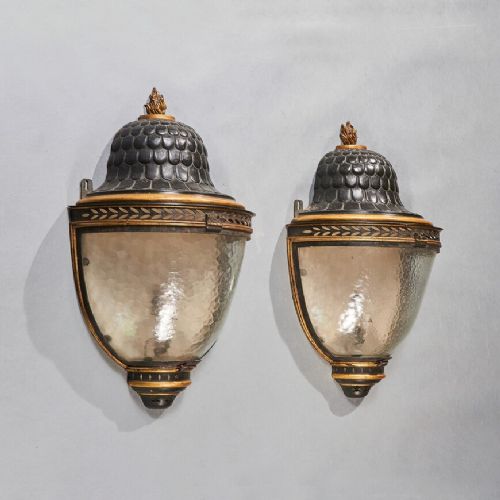
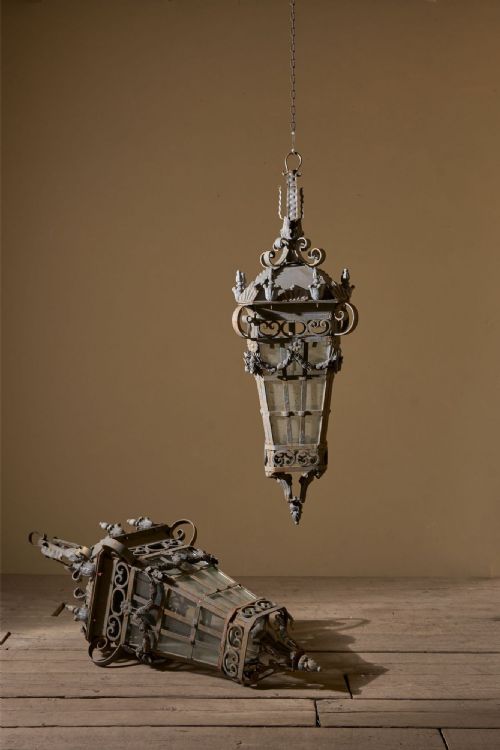
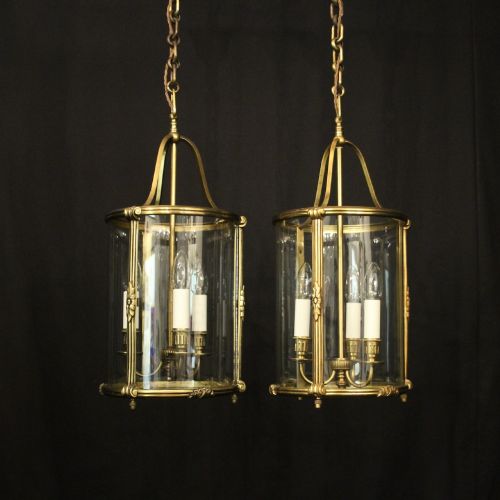
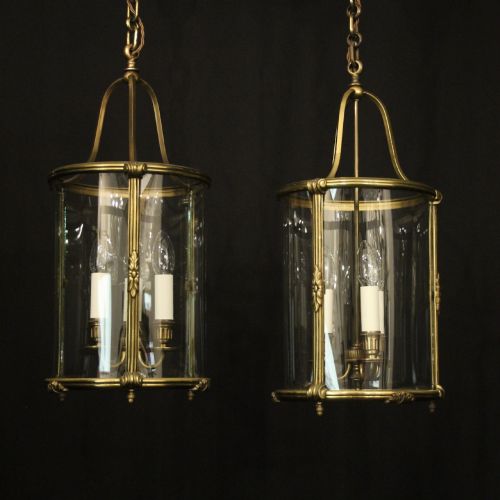
When searching for pair french hall lanterns, buyers encounter symmetrical lighting fixtures designed primarily for entrance halls, corridors, and high-ceilinged vestibules. These objects originate predominantly from the nineteenth and early twentieth centuries, spanning periods such as 1920, 1930, and the nineteenth century itself. The forms include pendant lights, hanging lanterns, and wall-mounted variants.
The most common versions met on this page are gilded bronze, brass, and steel configurations taking convex or hexagonal shapes. Many examples incorporate multiple lights inside glass panels, ranging from single light half lanterns up to four light arrangements. Stylistic influences draw heavily on French classical, neoclassical, rococo, and chateau traditions.
Distinguishing quality in the selection
Quality separates through the weight and finish of the metalwork, distinguishing heavily cast gilded bronze and detailed chased brass from lighter sheet steel or plated alternatives. The crispness of ornamental details in neoclassical or rococo styles indicates the skill level applied during the casting process.
Glass selection further defines the grade of the piece, with cut glass and heavy crystal elements showing superior clarity compared to standard pressed glass panels. The integration of complex multi-light internal clusters within harmonious hexagonal or convex frames marks the upper tier of execution.
The inventory spans the nineteenth century through the 1920s and 1930s, featuring glass, brass, steel, gilded bronze, tole, and wrought iron.
The Pair French Hall Lanterns Glossary
- Convex
- Curved outward in a rounded shape. This lens profile shapes the glass to soften and distribute the internal light output.
- Tole Peinte
- Painted sheet metal. This decorative material provides a coloured, opaque surface finish often used in period wall lanterns.
- Gilded Bronze
- Bronze coated with a thin layer of gold or gold leaf. This material offers a durable, rich metallic lustre characteristic of classical french pieces.
- Hexagonal
- Having six sides and six angles. This geometric frame shape accommodates multiple glass panels around a central light cluster.
Pair French Hall Lanterns: Frequently Asked Questions
Where should these lanterns be hung?
These fixtures suit entrance halls, corridors, and high-ceilinged stairwells where balanced overhead illumination is required. Their symmetrical nature makes them effective when hung in matching pairs along a long gallery or flanking a principal doorway.
Positioning depends on ceiling height and clearance requirements for doors. Hall lanterns work best when centred in the space to allow the light to distribute evenly through the glass panels.
How do I choose between brass and bronze?
Brass offers a bright, polished metallic tone that reflects light clearly within smaller or darker corridors. Bronze provides a heavier, warmer appearance with a deeper historical resonance linked to chateau and classical styles.
Both materials require similar maintenance regarding gentle cleaning. The choice rests primarily on the existing hardware and decorative palette of the interior space.
What is the difference between convex and hexagonal shapes?
Convex lanterns feature curved glass panels that bulge outward, creating a softer, more rounded profile. Hexagonal lanterns utilise six flat panes arranged in a geometric, multi-sided frame.
Convex designs tend to scatter light in wider arcs due to the curved lens effect. Hexagonal variants offer defined corners and a more architectural silhouette.
Can these lights be wired for modern use?
Many surviving examples have been adapted or rewired for contemporary electrical standards while retaining their original frames and glass. Internal clusters can accommodate multiple bulbs depending on the size of the lantern body.
Professional installation is recommended to support the weight of bronze and iron structures safely. Modern wiring ensures compatibility with standard household circuits.