


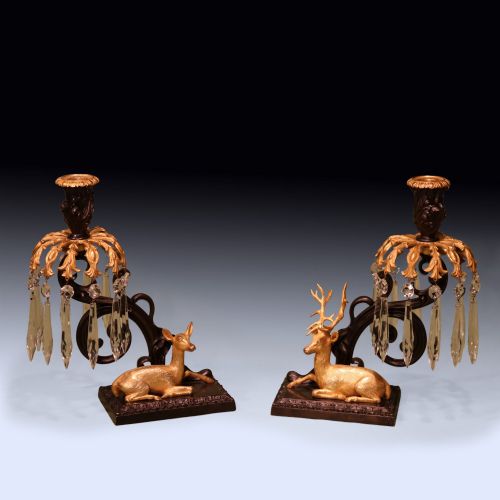
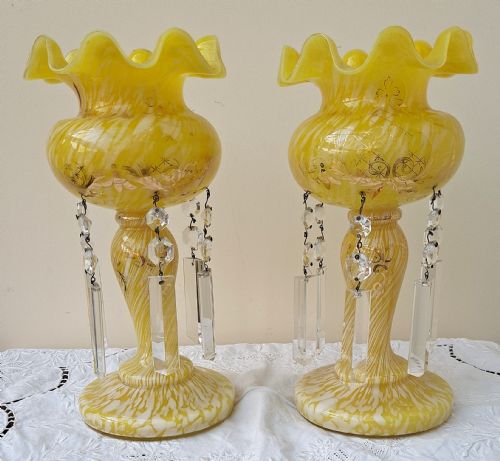


Pair Crystal Lusters
Pair crystal lustres bring brilliant light and swinging prisms to a mantelpiece, combining decorative glass with functional candle illumination.
Pair Crystal Lusters
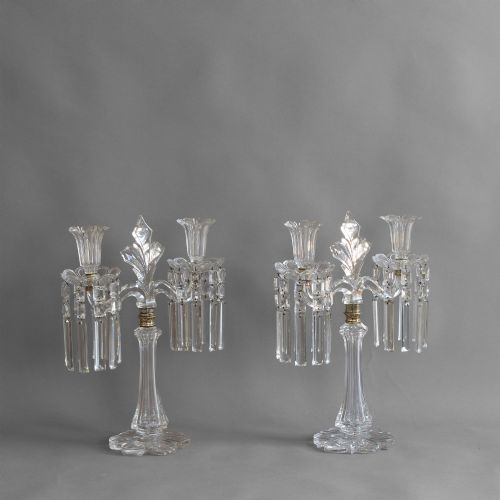
Pair crystal lustres are dual decorative lighting fixtures designed primarily for mantelpieces, tables, and sideboards. When you search for pair crystal lustres, you encounter pieces spanning from the 18th century through the Edwardian era, with Victorian examples appearing most frequently.
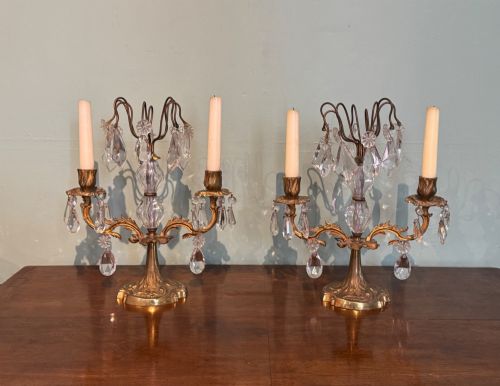
These objects function as both candlesticks and light reflectors, utilising hanging glass drops to scatter candlelight around a room. The forms include mantle lustres, table lustres, candelabras, and wall lights, originating from English, French, Scandinavian, and Bohemian workshops.
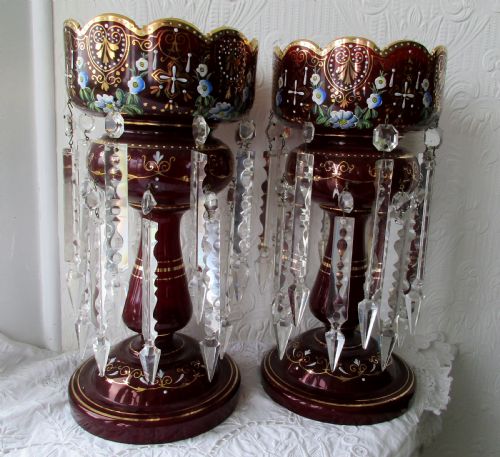
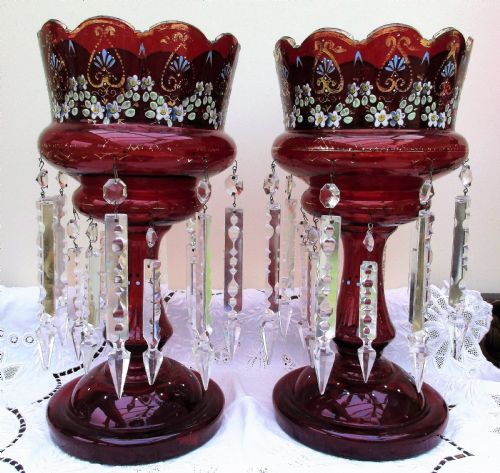
Materials range from clear cut glass and crystal to coloured glass bodies in ruby, green, yellow, and opaline hues. Metal components such as brass, gilt bronze, ormolu, and bronze frequently support the glass structures.
Materials and construction
Glassmakers shaped bodies through blowing and moulding, often applying coloured overlay techniques where a layer of ruby or flash glass was cut away to reveal clear glass underneath. Workers then polished the surfaces and cut facets into the crystal components to maximise light refraction.
Prisms and crystal drops were individually hand-cut and suspended from the rims using wire loops or metal pins secured to the central vase or stem. Metal founders cast bases and mounts in brass, bronze, or ormolu, sometimes adding enamel detailing or gold leaf accents.
Pair Crystal Lusters Retail Price Guide 2026
Typical asking prices for pair crystal lusters among the pieces listed under this phrase on Sellingantiques today, from the lower quarter to the upper quarter. They describe what is for sale here now, not the wider market.
Listings feature periods from the 18th century up to the 1930s, encompassing Victorian, Regency, Edwardian, and William IV styles.
Markers of distinction
Quality rests upon the depth of the glass-cutting and the clarity of the crystal material itself. Finely cast metal mounts, such as ormolu figures of stags, does, griffins, or cherubs, elevate the artistry of the piece beyond simple glass forms.
The completeness and matching nature of the hanging crystal drops determine the integrity of the ensemble. Lustres retaining their full complement of original cut-glass pendants demonstrate superior preservation compared to those with replaced or missing drops.
The Pair Crystal Lusters Glossary
- Lustre
- A ornamental vase or candlestick fitted with hanging glass pendants designed to reflect candlelight. These fixtures typically sit on mantelpieces or dining tables.
- Prism
- A cut-glass pendant suspended from the rim of a lustre to refract light. Prisms hang in series around the central bowl.
- Ormolu
- Gilt bronze ornamentation applied to metal mounts and bases. This technique involves coating bronze in a finely ground gold-mercury amalgam.
- Flash glass
- Glass formed by fusing a thin layer of coloured glass over a clear glass body. Artisans cut through the outer coloured layer to create contrasting patterns.
- Candelabra
- A branched candlestick holder designed to support multiple candles. Some examples incorporate lustre drops around the central stem.
Pair Crystal Lusters: Frequently Asked Questions
Where should I place pair crystal lusters?
These pieces suit mantelpieces, sideboards, and console tables where ambient room light can catch the hanging crystal drops.
Keep them away from busy traffic areas to protect the delicate suspended prisms from accidental knocks.
How do I clean pair crystal lusters?
Remove the glass drops individually and wash them gently in warm soapy water before drying with a lint-free cloth.
Wipe the main glass and metal bodies with a soft, dry brush to preserve gilt surfaces and enamel details.
How do I date a pair of lustres?
Examine the cutting style of the crystal, the composition of the metal mounts, and the colour of the glass body. Victorian examples often feature vibrant ruby glass, while Regency pieces tend to show precise clear cut crystal and bronze work.
Reference the manufacturing techniques and regional styles, such as Bohemian overlay or French ormolu casting, to narrow the production period.
Did these pieces hold candles?
Most designs incorporate a central candle socket at the top of the vase or stem. The surrounding crystal drops scatter the flame's illumination across the room.
Some later variations integrate electrical fittings or storm shades while retaining the traditional lustre form.