
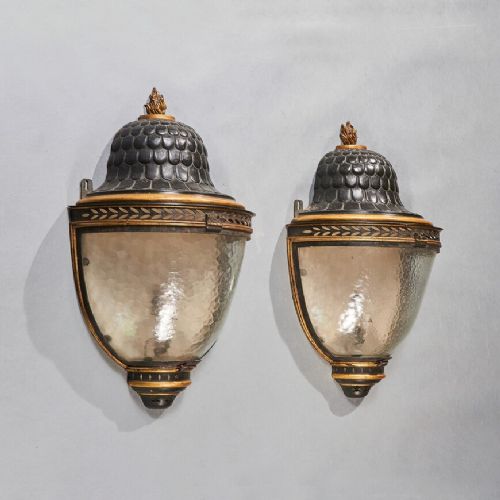
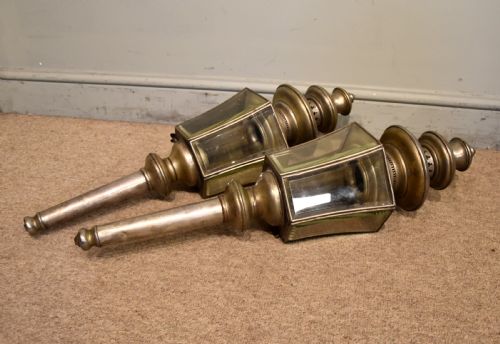


Pair Metal Lanterns
Pair antique metal lanterns bring architectural character to a space, combining heavy structural metals with glass panes to frame light.
Pair Metal Lanterns
When you search for pair antique metal lanterns, you encounter matched pairs designed for illumination inside and outside historic buildings. These pieces encompass carriage lamps, wall lanterns, and hall lights originating from the nineteenth and early twentieth centuries.
The selection on this page relies heavily on French designs alongside Victorian and Edwardian British examples. Formats range from hexagonal wall fixtures and octagonal exterior housings to half lanterns and ceiling-hung pendant lights.
Many items trace their lineage to practical street and coaching illumination before finding domestic utility in country houses and chateaux. Makers utilised robust metals to withstand exterior elements, resulting in substantial survivors that retain their original architectural purpose.
How they were made
Blacksmiths and metalworkers shaped these lanterns using traditional methods involving wrought iron, cast iron, and steel for structural integrity. Panels of glass were then glazed into the metal frames to protect the internal flame or bulb from wind and weather.
Decorative finishes elevate the utility metals through parcel gilt, tole peinte painting, brass and copper plating, and gilded bronze details. Workshops combined these metals with glass panels, utilising soldering, riveting, and casting to assemble complex hexagonal and octagonal geometries.
Coachmen once relied on these very lamps to navigate dark carriage drives before modern streetlights illuminated the way.
What varies in quality
The distinction between standard utility items and finer decorative examples rests on the complexity of the metalwork and the application of surface finishes like parcel gilt or tole peinte. Heavier castings, intricate brass and copper mounts, and precise glazing divide basic carriage lamps from grand chateau fixtures.
Proportion and scale dictate visual impact, with larger country house and early nineteenth-century pieces demanding more accomplished craftsmanship. The integrity of the original glass and the preservation of hand-forged elements further separate ordinary production from superior examples.
The Pair Metal Lanterns Glossary
- Tole peinte
- Painted sheet metal used for decorative objects and light fixtures. This technique allowed makers to apply rich surface colours and gilt highlights to otherwise utilitarian iron and steel.
- Parcel gilt
- A decorative method where only specific portions of an object receive a gold leaf or gilt finish. This highlights raised mouldings and architectural details against a darker metal base.
- Carriage lamp
- A specialised lighting fixture originally mounted to the exterior of horse-drawn vehicles. These items feature sturdy metal housings and glass panes designed to endure motion and weather.
- Half lantern
- A wall-mounted lighting fixture flattened on one side to sit flush against a vertical surface. This form maximises illumination in narrow hallways and entrance passages.
- Gilt bronze
- An alloy of copper and zinc treated with a fine layer of gold on the surface. Also known asormolu, it provides a warm metallic sheen that resists tarnishing.
Pair Metal Lanterns: Frequently Asked Questions
Where should I hang these lanterns?
These fixtures suit entrance halls, stairwells, and covered exterior porches where matched pairs frame a doorway or focal point.
Ensure the hanging height allows adequate clearance beneath the lowest point of the frame, particularly for pendant and ceiling-mounted formats.
How do I clean antique metal lanterns?
Dust the metal surfaces gently with a dry, soft cloth to prevent the accumulation of dirt in intricate corners and joints.
Avoid harsh chemical cleaners that can strip historic finishes like tole peinte or parcel gilt from the underlying metal.
How do I date a metal lantern?
Examine the construction methods, such as hand-forged ironwork or cast brass components, alongside stylistic markers like Gothic Revival or Victorian proportions.
Materials like tole peinte, nickel, and specific patinations on steel and copper often point to distinct manufacturing periods during the nineteenth and early twentieth centuries.